Everyday life · England
Recycling at home
Your browser or device provides the reading voice.
Recycling rules can differ between places.
Ask for help checking your local instructions.

Check your local rules
Find out what goes in each bin, box or bag.
Do not rely only on the bin colour.
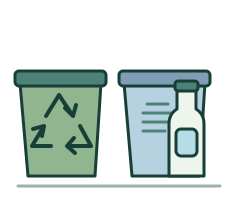
Check one item at a time
Use your council’s information or Recycle Now.
Ask if you are unsure.

Choose what to keep
You may want to keep, repair or give something away.
Other people should ask before removing your belongings.

Use helpful labels
Words or pictures can show what goes where.
Keep containers somewhere you can use safely.

Food and packaging
Empty food and drink packaging before recycling.
Check the rules for your food-waste container.

Check plastics carefully
Not every plastic item belongs in home recycling.
Check bags, films and compostable packaging.
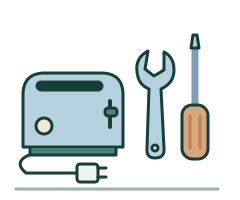
Batteries and electricals
Use the correct separate collection point.
Do not put them in ordinary bins.

Medicines and sharps
Take unwanted medicines to a pharmacy.
Used needles need a proper sharps container and special disposal.

Ask for safe help
Do not struggle with heavy items or touch dangerous waste.
Arrange a proper collection for large items.
What you can do next
Use your postcode to check your recycling options.
Check where and what to recycle Web pageThis link opens another website.
It may use harder words.
More useful links
- Recycle Now: recycling locator Web page
Check recycling options using your postcode.
- GOV.UK: batteries and electrical waste Web page
Use appropriate collection points and treat built-in batteries as part of the electrical item.
- NHS: pharmacy help Web page
Safe disposal of unwanted medicines.
- GOV.UK: household waste Web page
Special collections, recycling centres and checks on private waste collectors.
These links open other websites.
They may use harder words.
Recycling: sorting safely and finding the right place
Check local recycling rules, make sorting easier and keep hazardous items out of ordinary bins.
Adults · England · Check arrangements for your address
Start with your local instructions
Use your postcode on Recycle Now or check your council’s website. Confirm what goes in each bin, box or bag and whether items need a separate collection. A recycling symbol on packaging does not by itself tell you which local container to use. Ask the council for accessible instructions if its information is difficult to understand.
Understand changes without guessing
England’s Simpler Recycling requirements began on 31 March 2026, but some councils have later dates for food-waste collections. Collection of plastic film packaging and bags becomes a requirement from 31 March 2027. Do not assume they already belong in your home recycling. Follow current local instructions, including any separate shop collection points.
Reuse and repair when you choose
An item may be useful to keep, repair, give away or sell before it becomes waste. Check what a charity or reuse service accepts. Do not donate unsafe goods or leave unwanted items outside a closed shop. Supporters should ask before removing belongings; recycling is not a reason for a forced clear-out. If sorting causes distress, agree small steps and suitable support.
Make everyday sorting easier
Put clear words, pictures or examples on containers where you can see them. Choose a reachable arrangement that keeps exits clear. Empty food and drink packaging and follow rinsing instructions. Do not reach into a bin to retrieve sharp or unknown objects. Ask for help with heavy containers, and wash your hands after handling waste.
Food waste and plastic confusion
Use the food container and liner type accepted by your council. Keep food waste separate from packaging and follow local storage and collection advice. Plastic-looking items labelled compostable or biodegradable do not automatically belong in food or plastic recycling. If an item is unclear, check it individually rather than adding it to recycling just in case.
Batteries and electrical items
Use designated collection points or a council’s specifically arranged separate service. Never place batteries or electricals loose in ordinary rubbish or recycling bins. Items with plugs, batteries or charging cables may need electrical recycling. If a battery cannot be safely removed as intended by the manufacturer, take the whole device through electrical recycling; do not dismantle it. Ask for advice about damaged batteries.
Medicines and medical sharps
Return unwanted or out-of-date medicines to a pharmacy; do not flush them away or put them in household bins. Used needles and similar sharps need an approved sharps container and an agreed disposal route. Ask the prescribing service or council about collection. Do not open a used sharps container, overfill it or place it in ordinary recycling.
Arrange bulky or specialist disposal
Check the council’s arrangements for furniture, large electricals, paint and other items outside ordinary collections. Confirm charges, bookings and recycling-centre access before travelling. If paying someone to remove waste, check their waste-carrier registration through GOV.UK and keep a record. Do not leave waste beside bins, at a closed site or on other land without an authorised arrangement.
Words you could use
“Please show me what goes in each container at my address and help me arrange safe collection for unusual items.”
More useful links
- Recycle Now: recycling locator Web page
Check recycling options using your postcode.
- GOV.UK: batteries and electrical waste Web page
Use appropriate collection points and treat built-in batteries as part of the electrical item.
- NHS: pharmacy help Web page
Safe disposal of unwanted medicines.
- GOV.UK: household waste Web page
Special collections, recycling centres and checks on private waste collectors.
These links open other websites.
They may use harder words.
Where the information comes from
Links checked 9 November 2026.
These links open other websites.
They may use harder words.
- Recycle Now: recycling locator Web page
Local household and collection-point recycling information.
- GOV.UK: Simpler Recycling in England Web page
2026 household requirements, food-waste transition arrangements and the 2027 plastic-film deadline.
- Recycle Now: plastic bottles Web page
Emptying and rinsing recyclable packaging.
- GOV.UK: batteries and electrical waste Web page
Separate collection, battery fire risks and electrical products with built-in batteries.
- Recycle Now: electrical items Web page
Identifying electrical waste and locally arranged separate collections.
- Recycle Now: batteries Web page
Dedicated battery collection routes and checking local instructions.
- NHS: pharmacy help Web page
Return unwanted medicines rather than using bins or drains.
- Kent Community Health: sharps disposal Web page
Suitable sharps containers, safe storage and special disposal arrangements.
- GOV.UK: household waste Web page
Reuse, bulky waste and checking waste collectors’ registration.