Words used in the guides · England
Word list
This page explains some words and short forms.
You can follow a link to read the full guide.
The words are in alphabetical order.

AAC
This means augmentative and alternative communication.
These are ways to communicate alongside speech or without speech.
They include signs, pictures and devices that speak.
Read the guide: Help to communicate
Adaptive clothing
These clothes are designed to make dressing or wearing them easier.
They may have different openings or fastenings.
Your comfort and choice matter.
Read the guide: Clothes that work for you
Advocate
An advocate helps you understand information and speak up.
They help people hear your wishes and views.
Read the guide: Help to understand and speak upAphasia
Aphasia affects understanding or using language.
It can happen after damage to the brain.
Sudden language problems can be a medical emergency.
Read the guide: Aphasia and changes in language
Appropriate adult
They help protect someone’s rights during certain police procedures.
They are different from a solicitor.
Read the guide: If you are arrested
Artificial intelligence or AI
AI is a type of computer technology.
Some tools write answers or suggest ideas.
Their answers can be wrong, so check important information.
Read the guide: Using artificial intelligence
Aspiration into the lungs
Aspiration means something enters your airway or lungs.
This can include food, drink or saliva.
It can happen without coughing.
Read the guide: Swallowing and keeping your chest healthy
Assessment and treatment unit or ATU
This is a type of specialist hospital unit.
It provides assessment and treatment for some people.
Hospital stays need a clear purpose and a discharge plan.
Read the guide: Going into a mental health hospitalAssistive technology
This means equipment or software that helps with everyday tasks.
It might help you communicate, remember or get around.
Choose support that works for you.
Read the guide: Technology that helps you
Backup care plan
This says what to do if usual care cannot happen.
It should say who to contact and what help is needed.
Check that people have agreed to their roles.
Read the guide: Taking a break from caring
Benefits appointee
An appointee manages benefits for someone who cannot manage them.
The benefits office must agree to the appointment.
This does not give control over all the person’s money.
Read the guide: Help with your benefits
Best interests
This is a way to make some decisions for someone.
It is used when they cannot make that decision themselves.
Their wishes, feelings and rights still matter.
Read the guide: Getting help with an important decisionBiopsy
A biopsy takes a small sample of tissue or cells.
Doctors examine the sample to find out what is happening.
Read the guide: Getting ready for tests and cancer careBlissymbols
Blissymbols is a language made from shapes.
Shapes can mean things, actions and ideas.
People need time and support to learn and use them.
Read the guide: Symbols and other ways to share a messageBritish Sign Language or BSL
BSL is a language with its own grammar.
People use their hands, face and body to communicate.
Ask for a qualified interpreter when you need one.
Read the guide: Signing and communication through touchCampaign
A campaign brings people together to ask for change.
You can choose if and how you take part.
You do not have to share your private story.
Read the guide: Campaigns and making changeCapacity
Capacity means being able to make a particular decision.
You should get any help you need to decide.
Your ability may change with the decision or the time.
Read the guide: Getting help with an important decisionCare Act
This law sets rules for adult care and support in England.
It includes rules about assessments and involving people.
Read the guide: Ask for care and supportCare plan
A care plan says what support you need.
It says how that support will be provided.
It should include what matters to you.
Read the guide: Your care plan and care money
Carer’s leave
Some employees can take unpaid time off to give care.
It can also be used to arrange care.
The law sets rules about who can use it.
Read the guide: Having a job and caring for someone
CETR and CTR
CTR means Care and Treatment Review.
CETR means Care, Education and Treatment Review.
These reviews check care and plans for life outside hospital.
CETRs also look at education and learning.
Read the guide: CTR and CETR: a review of your careCHC
This means NHS Continuing Healthcare.
The NHS pays for care when an adult meets the rules.
The rules depend on the person’s assessed health needs.
Read the guide: NHS money for your careCHC checklist
This helps decide whether you need a full CHC assessment.
It does not decide whether you get funding.
You should be involved and receive the written result.
Read the guide: Getting ready for a CHC ChecklistCommunity learning disability team
This team brings together people with different professional skills.
They help with some learning disability health and support needs.
Ask how to contact the team in your area.
Read the guide: Your learning disability health team
Consumer rights
These are rights when you buy things or services.
The rules depend on what you buy and how.
You can ask for help if something goes wrong.
Read the guide: Your rights when you buy thingsContent creator
A content creator makes things for other people to enjoy.
They might share videos, pictures, stories or podcasts.
You can choose whose work you follow.
Read the guide: Creators and public voices
Continence and incontinence
Incontinence means leaking wee or poo without meaning to.
A bladder and bowel service can assess what is happening.
You can ask about treatment and support.
Read the guide: Help with wee and pooContraception
Contraception helps prevent pregnancy.
There are different methods to choose from.
A clinician can help you understand your choices.
Read the guide: Choosing contraception
Crowdfunding
Crowdfunding asks many people to give money towards a goal.
You might raise money for yourself or someone else.
Check permission, costs and money rules before starting.
Read the guide: Raising money with an online appeal
CTO or Community Treatment Order
A CTO allows some people to leave hospital with conditions.
Conditions are rules written in the order.
The care team can require a return to hospital in certain situations.
You can get help to understand and challenge the order.
Read the guide: A Community Treatment Order (CTO)Cuckooing
This means someone takes over a home for criminal activity.
They may threaten or pressure the person who lives there.
You can ask for help without confronting them.
Read the guide: When someone takes over your home
Deafblindness
This means having both sight and hearing loss.
People may still have some sight and hearing.
They may need specialist communication and practical support.
Read the guide: Signing and communication through touchDecision Support Tool or DST
This is a form used during a full CHC assessment.
Professionals bring together evidence about your needs.
They use it to help recommend whether you qualify.
Read the guide: NHS money for your care
Deputy
A court can appoint a deputy to make certain decisions.
This is for decisions you cannot make, even with support.
The court order says what the deputy can decide.
They must follow the rules about your wishes and best interests.
Read the guide: Help with money decisions
Dietitian
A dietitian helps with food, drink and nutrition.
Nutrition is how your body gets what it needs.
They can help plan support around your health and preferences.
Read the guide: Help with food and nutritionDirect payment
This is money to arrange agreed care and support.
You must use it in the agreed way.
You can ask for help to manage it.
Read the guide: Choosing direct paymentsDisability-related expenditure or DRE
These are extra costs you have because of disability.
Some costs can reduce the amount you pay for council care.
Ask the council to consider your own circumstances.
Read the guide: Extra costs because of disabilityDosette box
This box separates medicines into different days or times.
Ask a pharmacist whether it suits your medicines and needs.
It is not right for everyone.
Read the guide: Help with your medicinesDSR
This means Dynamic Support Register.
It helps plan support to avoid unnecessary mental health hospital admissions.
It is different from the learning disability register at your GP.
Read the guide: The Dynamic Support Register
Dwarfism and restricted growth
Different conditions can cause a person to be unusually short.
Some people use the term little person or dwarfism.
This does not automatically mean having a learning disability.
Use the words the person prefers.
Read the guide: Being a little personDysphagia
Dysphagia means difficulty swallowing.
A health professional can assess swallowing and suggest support.
It is different from a problem with understanding language.
Read the guide: Swallowing and keeping your chest healthy
EHC plan or EHCP
This means Education, Health and Care plan.
It records a child or young person’s special educational needs.
It sets out the support they need.
Read the guide: Getting and checking an EHC planEviction
Eviction means making someone leave the home they rent.
There are rules about when and how this can happen.
Ask for housing advice as soon as possible.
Read the guide: Your rights when renting a home
Freedom of Information or FOI
You can ask public bodies for information they hold.
For example, you could ask about a council policy.
Some information cannot be shared.
Read the guide: Asking public bodies for informationGrant
A grant is money given for an agreed purpose.
The organisation sets rules about who can apply.
You must follow the conditions if it gives you money.
Read the guide: Asking a charity for a grantHarassment
Harassment can include unwanted behaviour that harms or frightens someone.
Different laws use different tests.
You can ask for help to understand what happened.
Read the guide: Harassment and being treated badly for speaking upICB
This means Integrated Care Board.
It is an NHS organisation for a local area.
It plans and pays for many local NHS services.
Read the guide: Your local NHS boardIMCA
This means Independent Mental Capacity Advocate.
An IMCA helps protect a person’s rights in certain decisions.
The law says when this support must be arranged.
Read the guide: Help when you cannot make an important decisionIMHA
This means Independent Mental Health Advocate.
An IMHA helps some people understand their mental health rights.
The law says who can get this support.
They can help the person speak up about their care.
Read the guide: Help with your mental health rightsIndependent sexual violence adviser or ISVA
An ISVA supports people affected by sexual violence.
They can explain services and the police or court process.
They are different from a solicitor.
Read the guide: Help after unwanted sexual contactInheritance
This is money or property left when someone dies.
It can affect some benefits and care charges.
Get advice about your circumstances and reporting changes.
Read the guide: Money or a home left to youInsurance excess
An excess is money you pay towards an insurance claim.
Check the amount and conditions in your policy.
Read the guide: Motability vehicles and driversIntermediary
An intermediary helps with communication in legal proceedings.
They can help people understand questions and give their answers.
They do not give legal advice.
Read the guide: Help to communicate in courtKeyworker
A keyworker helps services work together to support you.
Different keyworker services have different roles.
Ask what help your keyworker can provide.
Read the guide: My keyworker and support planLearning disability hospital liaison
This team helps hospital staff understand your support needs.
They can help plan changes that make care accessible.
Your ward team remains responsible for your hospital care.
Read the guide: A nurse who helps with hospital supportLeDeR
LeDeR learns from the lives and deaths of some people.
These are people with learning disabilities and autistic people.
It aims to improve care and prevent avoidable deaths.
Read the guide: Learning from someone’s life and deathLegal aid
This is funding for some legal advice and representation.
The rules depend on the legal problem and your circumstances.
Ask a solicitor whether you can get it.
Read the guide: Getting help from a solicitorLife-limiting condition
This is a condition that may shorten someone’s life.
It does not always mean they are dying now.
Support can help them live as well as possible.
Read the guide: Living well with a serious illnessMakaton
Makaton uses signs and symbols alongside speech.
It can help some people communicate.
Ask the person which communication works for them.
Read the guide: Signing and communication through touch
Motability
Motability is a scheme for leasing vehicles.
You pay using a qualifying mobility benefit.
You can have approved people drive for you.
Read the guide: Motability vehicles and driversMP
MP means Member of Parliament.
Your MP represents the area where you live.
You can ask them about problems and issues that matter.
Read the guide: Ask your MP for helpMultidisciplinary team or MDT
This is a team of professionals with different skills.
They work together to understand and support your needs.
You should be involved in decisions about your care.
Read the guide: People who can help with your healthNamed driver
A named driver is listed on a vehicle’s insurance.
The insurer must agree before they drive.
They must follow the policy’s rules.
Read the guide: Motability vehicles and driversNo recourse to public funds or NRPF
This immigration condition limits access to certain benefits and housing.
It does not mean every service is unavailable.
Get qualified advice about your rights and support.
Read the guide: Help with immigration and visas
Occupational therapist or OT
An occupational therapist helps you do things that matter.
They may suggest equipment or changes to your surroundings.
They can help make everyday activities easier.
Read the guide: Help with equipment and your home
Ombudsman
An ombudsman is an independent service for certain complaints.
It can look into some problems that remain unresolved.
Different ombudsmen cover different services.
Read the guide: Taking your complaint to an ombudsmanPeer advocacy
Peer advocacy is support from someone with similar experiences.
They help you understand your choices and express your wishes.
You can ask what help their service provides.
Read the guide: Helping each other speak upPerimenopause
This is the time leading up to menopause.
Hormone changes can affect periods and how you feel.
Read the guide: Periods, menopause and your body
Person-centred
This means starting with you and what matters to you.
Your choices, communication and support needs guide the plan.
Read the guide: Plan the life you wantPersonal assistant or PA
A personal assistant helps with agreed parts of your life.
You may employ them to give your care and support.
Being an employer brings duties and responsibilities.
Read the guide: Employing your own assistantPersonal budget
This is an amount of money for agreed care and support.
Your plan should explain how it will meet your needs.
Read the guide: Your care plan and care moneyPersonal health budget or PHB
This is NHS money for agreed health and support needs.
You help plan how it will be used.
There are rules about who can get it.
Read the guide: NHS budgets and paying for therapyPharmacy First
This NHS service helps with certain illnesses.
A pharmacist checks your symptoms and explains the next step.
Ask whether your local pharmacy offers the service.
Read the guide: Getting help at a pharmacyPhishing
These are fake messages pretending to be from someone trustworthy.
They may ask you to open a link or share information.
Pause and check using contact details you already trust.
Read the guide: Keeping safe from scamsPIP
This means Personal Independence Payment.
It is a benefit for extra costs linked to disability.
There are rules about who can get it.
Read the guide: Money to help with disabilityPKU
PKU means phenylketonuria.
The body cannot properly process part of protein called phenylalanine.
A specialist team helps plan treatment and food.
Read the guide: Understanding PKUPMLD
This means profound and multiple learning disabilities.
People have profound learning disabilities and other significant support needs.
Each person has their own ways of communicating.
Read the guide: Support for people with PMLDPriority Services Register or PSR
Energy companies keep this list to arrange extra support.
Joining does not make your bills free.
Power cuts can still happen.
Read the guide: Help with bills and power cutsPsychiatrist
A psychiatrist is a doctor specialising in mental health.
They can assess mental health needs and discuss treatment.
They can prescribe medicines when appropriate.
Read the guide: People who can help with your healthPsychologist
A psychologist can help understand feelings, thinking and distress.
They may offer assessments and psychological therapies.
They can help others understand how to support you.
Read the guide: People who can help with your healthReasonable adjustment
This is a change to help a disabled person access something.
For example, an appointment may need more time.
The right change depends on the person and the situation.
Read the guide: Ask for changes that help you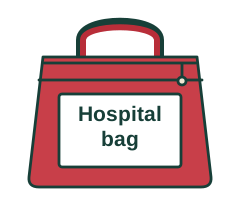
Red Bag hospital scheme
Some local services use a red bag for hospital transfers.
It keeps agreed information and belongings with the person.
Ask your care team about the local arrangements.
Read the guide: Going into hospitalRespite
Respite is sometimes called a short break.
It gives a carer time away from caring.
The person they support still needs suitable care.
Read the guide: Taking a break from caringSafeguarding
Safeguarding means helping people stay safe from abuse and neglect.
Your wishes and rights matter when people help you.
Read the guide: Help if you or someone else is not safe
Scam
A scam is a trick to steal money or information.
Scammers may pretend to be people or organisations you trust.
You can get help if this happens to you.
Read the guide: Keeping safe from scamsScreening
A screening test looks for possible health problems.
You can discuss whether to have it.
Sometimes you need more tests after screening.
Read the guide: Understanding cancer screeningSecond medical opinion
This is another clinician’s view about diagnosis or treatment.
You can ask how to arrange one.
Getting one through the NHS is not always guaranteed.
Read the guide: Asking another doctorSection 117 aftercare
This is support after certain Mental Health Act hospital stays.
The NHS and council arrange the support together.
You do not pay for support covered by section 117.
Read the guide: Free support after some mental health hospital staysSEND
This means special educational needs and disabilities.
A child or young person may need extra support with learning.
Read the guide: Help with learning and adult lifeSexual assault referral centre or SARC
A SARC provides specialist help after rape or sexual assault.
It can help with medical care and evidence options.
Adults can usually contact a centre without reporting to police.
Read the guide: Help after unwanted sexual contactSexually transmitted infection or STI
An STI is an infection that can pass through sexual contact.
Some infections do not cause symptoms.
A sexual health clinic can advise about tests and treatment.
Read the guide: Testing for sexual infectionsSign-supported English or SSE
This uses signs alongside spoken English.
The signs follow English word order.
It is different from British Sign Language.
Read the guide: Signing and communication through touchSLT
This means speech and language therapy.
It can help with communication.
It can also help with eating, drinking and swallowing.
Read the guide: Speech and language therapySolicitor
A solicitor is a lawyer.
They can explain your legal rights and give legal advice.
Ask about costs before agreeing to paid work.
Read the guide: Getting help from a solicitorSpecific learning difficulty
This affects particular skills, such as reading or using numbers.
It is different from a learning disability.
A person can have both.
Read the guide: Help with reading, numbers and coordinationSubject access request or SAR
This asks an organisation for your personal information.
You can ask for help to make the request.
Some information may be withheld under legal rules.
Read the guide: Seeing your recordsSupport broker
A support broker can help you plan and arrange support.
Ask what they do and whether you must pay.
You should stay in control of your choices.
Read the guide: Help to arrange your supportTenancy
A tenancy is an agreement about renting your home.
It sets out rights and responsibilities.
Your housing agreement is different from your support plan.
Read the guide: Your home and your support in supported livingTrust fund
A trust has people managing money or property for others.
Different trusts have different rules.
A trust does not automatically protect benefits.
Read the guide: Money or a home left to youVaccination
Vaccination helps protect against particular infections.
A clinician can explain which vaccines are suitable for you.
You can ask for support with the appointment.
Read the guide: Getting your vaccinationsVictimisation
Equality law protects people who raise or support equality complaints.
Victimisation means being disadvantaged because of that protected action.
Ask an adviser about your situation.
Read the guide: Harassment and being treated badly for speaking upVisual stress
Some people feel discomfort when looking at text or patterns.
Ask an eye-care professional to check what is happening.
Coloured filters do not treat dyslexia.
Read the guide: Making reading more comfortableNo words found.
Try a shorter word or show all words.