Everyday life · England
Caring for the environment and wildlife
Your browser or device provides the reading voice.
This guide is for people in England.
Choose the ideas that work for you.
You can ask someone you trust to help.
The world around us
The environment is the world around us.
It includes air, water, land, plants and animals.
Wildlife means animals and plants living in the wild.

Choose something you enjoy
You could grow flowers or watch birds.
You could learn which recycling bin to use.
You do not need to do everything.
Use things again
Use things you already have.
You could borrow, repair or donate things.
Ask for help with repairs.

Your needs matter
Keep using things you need for your health and disability.
You do not need to buy expensive products.
Choose changes that work for you.
Recycling
Recycling means making new things from used materials.
Check what your council collects.
Ask for pictures showing what goes in each bin.
Batteries and electrical items
Do not mix batteries into ordinary rubbish or recycling.
Electrical items also need a separate collection route.
Ask where to take them safely.
Save energy and water safely
Turn off lights you do not need when it is safe.
Turn off taps when you have finished.
Tell someone about a leak.
Keep essential things working
Keep equipment you need for health and safety working.
Keep your fridge and freezer on.
Stay warm and keep the care you need.
Waste less food
Check what food you have before shopping.
Make a shopping list.
Follow storage instructions and use-by dates.
Keep following any special diet you need.
Keep places clean
Put rubbish in the right bin.
Take it home if there is no bin.
Litter can hurt animals.
Picking up litter
An organised group can help you take part safely.
Use the equipment they recommend.
Leave needles, broken glass and unknown waste alone.
Tell the organiser or council where these are.
Wash your hands afterwards.
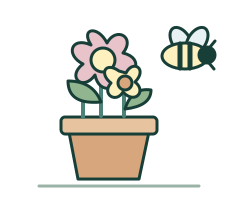
Grow something for wildlife
Flowers can help bees and butterflies.
You could use a pot or window box.
You can ask for help with planting.
Ask before changing a shared garden.
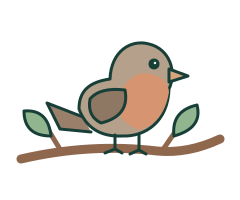
Help garden birds
Bird food needs to be right for the season.
Ask someone to help you check the RSPB advice below.
Keep bird feeders clean.
Change their drinking water every day.
Help hedgehogs
A shallow bowl of water can help.
Do not give hedgehogs milk or bread.
Ask for advice about suitable food and safe shelter.

If a wild animal looks hurt
Keep back and keep pets away.
Ask a wildlife rescue or vet for advice.
Tell them where the animal is.
Do not touch sick or dead birds.
Do not try to rescue animals from roads or water.
Finding a young bird or bat
A young bird on the ground may be learning to fly.
Its parents may still be looking after it.
Ask an expert before moving it.
For a bat on the ground, ask the Bat Conservation Trust for help.
Do not touch it with bare hands.
Enjoy nature gently
Watch animals from a distance.
Leave nests, eggs and plants alone.
Follow signs and keep dogs under control.
Do not light fires.
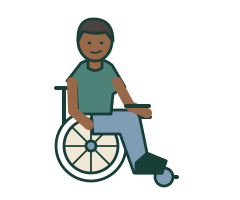
Plan an accessible visit
Ask about paths, toilets, seats and quiet spaces.
Plan travel and the support you need.
You can choose a short visit.
You can also watch wildlife from your window.
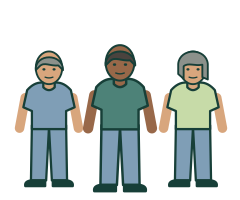
Join in with other people
You could join a garden or wildlife group.
Ask for clear instructions and a task you enjoy.
Tell them what support and breaks you need.

Choose your next step
Pick one thing you want to try.
Agree who will help you.
You can use the plan below.
Volunteer with a nature group
TCV helps people care for green spaces.
TCV used to be called BTCV.
You could ask about a Green Gym or a local wildlife group.
Agree a task and the help you need.
What you can do next
Start with one activity you enjoy.
Ask for the support you need.
Find ideas for helping wildlife Web pageThis link opens another website.
It may use harder words.
More useful links
- Recycle Now: check local recycling Web page
Find what your council collects and where to take other items.
- The Wildlife Trusts: wildlife gardening Web page
Ideas for gardens, small spaces and pots.
- RSPB: current garden bird-feeding advice Web page
Seasonal feeding and cleaning advice, updated 30 October 2026.
- RSPCA: helping injured wildlife Web page
Find the right help for a wild animal without putting yourself at risk.
- The Wildlife Trusts: accessible nature reserves Web page
Find places to explore, then check the facilities and support you need.
- Keep Britain Tidy: litter-picking essentials Web page
How to join in safely and which waste to leave alone.
- Hedgehog Street: feeding hedgehogs Web page
Suitable food, water and feeding hygiene.
- Bat Conservation Trust: a bat needing help Web page
Specialist advice and the National Bat Helpline.
- The Conservation Volunteers: find TCV near you Web page
Find local conservation activities and contacts. TCV was previously known as BTCV.
- TCV: find a Green Gym Web page
Find outdoor volunteering groups. Ask about available places, the site and any support you need.
- The Wildlife Trusts: volunteering opportunities Web page
Search by your English town or postcode, activity and time available. Confirm vacancies directly with the local Trust.
- Incredible Edible: find a group in England Web page
Find local food-growing groups. Contact the group to check current activities, access and support.
These links open other websites.
They may use harder words.
Caring for the environment and wildlife — Easy Read
Practical ways to reduce waste, recycle, save resources safely, help wildlife and enjoy accessible nature activities in England.
England · People with learning disabilities, families and supporters
Start with something that matters to you
Caring for the environment can mean using fewer resources, creating less rubbish or protecting places where wildlife lives. Wildlife means animals and plants living in the wild. Choose one activity you enjoy, such as watching birds, growing a flower or learning which bin to use. You do not need a garden, expensive equipment or the ability to walk long distances. Your contribution can be small and still worthwhile.
Use things for longer
Try using what you already own, borrowing an item, repairing something with suitable help or donating usable things you no longer need. A reusable bag or bottle may help if it works for you. You do not need to buy products labelled “eco” to take part. Keep the medical supplies, accessible packaging, straws or other items you need. Environmental goals should not be used to deny essential care or disability support.
Find the right recycling route
Recycling means collecting materials so they can be made into something new. Rules differ between councils and buildings: check the council’s instructions or Recycle Now before sorting. Ask for picture labels and bins you can reach. Batteries and electrical items need a suitable separate collection route; do not mix them into ordinary rubbish or recycling. Some councils have special separate collections. Do not dismantle a device to remove a built-in battery. Ask the council or retailer how to recycle it.
Use energy and water safely
Switch off lights you do not need when it is safe. Turn off a running tap when you have finished and report leaks. Check appliance instructions before changing settings. Keep fridges, freezers and equipment needed for health, communication or safety working as required. Do not cut necessary heating, drinking water or personal care to meet a savings target. Agree a practical plan with the people who support you. Our bills guide explains where to ask for help with costs.
Waste less food
Check what food you have before shopping and make a list of what you expect to use. Plan storage and leftovers safely, with support if needed. Follow storage instructions and use-by dates; do not eat food after its use-by date. Keep following any allergy, swallowing or prescribed diet plan. The aim is to waste less, not to pressure someone to eat unsuitable food or finish a meal they do not want.
Keep outdoor places clean
Take your rubbish and food waste away or use the right bin. If you want to litter-pick, an organised group can explain the task, equipment and safe area. Ask for a litter picker, gloves and any support you need. Leave needles, broken glass, chemicals, dead animals and heavy dumped items alone. Tell the organiser or council where they are. Stay away from traffic and water edges, and wash your hands afterwards.
Make a small space good for wildlife
A flowering pot or window box can help insects. Choose plants suited to your space and ask for peat-free compost. In a garden, a quiet patch of longer grass, leaves or logs can provide shelter. Avoid pesticides where possible. Check permission for changes to shared gardens, fences or balconies, and keep paths and exits clear. Choose safe plants if someone may eat them, and agree support for tools or lifting. Seated gardening and raised containers may make an activity easier.
Help garden birds safely
Follow the RSPB’s current seasonal advice. As checked on 7 November 2026, it advises pausing seeds and peanuts from 1 May to 31 October to reduce disease risks. Small amounts of suet or mealworms may still be offered. Seeds and peanuts can be offered again from 1 November to 30 April. Avoid bird tables and other feeders with flat surfaces. Clean feeders and water bowls at least weekly and replace drinking water daily. Ask someone to help with cleaning if needed, and wash hands afterwards. Check the linked advice again if birds appear ill.
Help hedgehogs
Protect natural shelter and avoid disturbing resting animals. Hedgehog Street recommends a shallow dish of water and, if offering supplementary food, suitable meat-based cat or dog food. Never give hedgehogs milk or bread. Clean their bowls separately from household dishes. Helping their habitat is useful even if you do not feed them. Ask a wildlife rescue or vet for advice about an injured or unwell hedgehog rather than trying to treat it yourself.
If a wild animal looks hurt
Watch from a safe distance and keep pets away. Contact a wildlife rescue, a vet or the RSPCA for advice. Give the location and describe what you can see. Do not enter a road or water, climb, or put yourself at risk to reach it. Do not touch sick or dead birds. Do not try feeding, giving water to, or treating an injured animal unless the wildlife professional advises you. Use the RSPCA link to find the appropriate next step.
Young birds and bats need particular care
A young bird with feathers may be learning to fly while its parents feed it nearby. Leave a healthy fledgling alone and keep pets back. A featherless or injured bird, or a bird in immediate danger, needs expert advice; do not assume every bird on the ground is abandoned. Leave eggs and nests undisturbed. If you find a bat on the ground or exposed during daylight, contact the Bat Conservation Trust’s National Bat Helpline. Avoid direct handling and follow specialist advice.
Enjoy nature without disturbing it
Watch quietly and give wild animals space. Leave nests, eggs, plants and shelter alone. Follow signs, marked routes and the Countryside Code. Keep dogs under control and follow local lead requirements; bag and bin dog mess. Leave gates as you find them unless a sign tells you otherwise. Do not light fires, and only use a barbecue where it is permitted. Choose safe ways to observe, such as a photograph from a distance or watching through a window.
Plan access before visiting
Check the surface and slope of paths, step-free entrances, seating, toilets, Changing Places facilities, transport and costs. Ask about quieter times, accessible information and support-person arrangements. The Wildlife Trusts’ directory gives ideas, but facilities differ and may change. Plan rest, weather protection and a way home that suits you. You could start with a short visit, enjoy a view from a seat or watch nature from home.
Join in with other people
Ask a local wildlife group, community garden, park group or conservation organisation about activities and volunteering. Possible roles include growing plants, counting birds, taking photographs or helping with information. Explain your communication, mobility and sensory needs and ask for a suitable task, clear instructions and breaks. Ask about costs, support and accessible facilities before agreeing. You can take part without handling animals or doing heavy physical work. Our volunteering guide explains more.
TCV, Green Gym and conservation groups
The Conservation Volunteers is often shortened to TCV. You may remember its former name, BTCV. It brings volunteers together to care for green spaces. Green Gym is one way to take part. Local Wildlife Trusts also list roles such as helping reserves, recording wildlife or supporting events. See our conservation volunteering guide for group finders and a first-visit plan.
Food-growing groups can help communities too
Incredible Edible groups and other community gardens bring people together around growing food. You could explore a shared garden instead of renting an allotment. Our allotment and growing food guide includes group finders and questions about access, support, costs and sharing the harvest.
Make your own environment plan
Choose one thing you want to try, who will help and any cost or access needs. You could ask supporters for picture labels on bins, time to watch birds or help visiting a garden. Use the worksheet if useful. Agree when to check whether you enjoyed it and what you want to do next. It is fine to choose another activity or stop.
Words you could use
“I would like to help the environment and enjoy wildlife. Please help me choose an activity, check access and safety, and agree the support I need.”
More useful links
- Recycle Now: check local recycling Web page
Find what your council collects and where to take other items.
- The Wildlife Trusts: wildlife gardening Web page
Ideas for gardens, small spaces and pots.
- RSPB: current garden bird-feeding advice Web page
Seasonal feeding and cleaning advice, updated 30 October 2026.
- RSPCA: helping injured wildlife Web page
Find the right help for a wild animal without putting yourself at risk.
- The Wildlife Trusts: accessible nature reserves Web page
Find places to explore, then check the facilities and support you need.
- Keep Britain Tidy: litter-picking essentials Web page
How to join in safely and which waste to leave alone.
- Hedgehog Street: feeding hedgehogs Web page
Suitable food, water and feeding hygiene.
- Bat Conservation Trust: a bat needing help Web page
Specialist advice and the National Bat Helpline.
- The Conservation Volunteers: find TCV near you Web page
Find local conservation activities and contacts. TCV was previously known as BTCV.
- TCV: find a Green Gym Web page
Find outdoor volunteering groups. Ask about available places, the site and any support you need.
- The Wildlife Trusts: volunteering opportunities Web page
Search by your English town or postcode, activity and time available. Confirm vacancies directly with the local Trust.
- Incredible Edible: find a group in England Web page
Find local food-growing groups. Contact the group to check current activities, access and support.
These links open other websites.
They may use harder words.
Where the information comes from
Links checked 7 November 2026.
These links open other websites.
They may use harder words.
- Recycle Now: check local recycling Web page
Find what your council collects and where to take other items.
- GOV.UK: batteries and electrical recycling Web page
Separate collection points for batteries and electrical items.
- Energy Saving Trust: everyday energy savings Web page
Ideas for using less energy; choose those that meet your health and access needs.
- GOV.UK: food safety at home Web page
Food shopping, storage and date-label advice. Written for students; these practical tips also help at home.
- GOV.UK: the Countryside Code Web page
Respect other people, protect nature and plan your visit. Applies to England and Wales.
- Keep Britain Tidy: litter-picking essentials Web page
How to join in safely and which waste to leave alone.
- The Wildlife Trusts: wildlife gardening Web page
Ideas for gardens, small spaces and pots.
- RSPB: current garden bird-feeding advice Web page
Seasonal feeding and cleaning advice, updated 30 October 2026.
- RSPCA: helping injured wildlife Web page
Find the right help for a wild animal without putting yourself at risk.
- RSPCA: finding a baby bird Web page
Why a young bird on the ground may need to be left with its parents.
- Bat Conservation Trust: a bat needing help Web page
Specialist advice and the National Bat Helpline.
- Hedgehog Street: feeding hedgehogs Web page
Suitable food, water and feeding hygiene.
- The Wildlife Trusts: accessible nature reserves Web page
Find places to explore, then check the facilities and support you need.
- The Conservation Volunteers: find TCV near you Web page
Find local conservation activities and contacts. TCV was previously known as BTCV.
- TCV: find a Green Gym Web page
Find outdoor volunteering groups. Ask about available places, the site and any support you need.
- The Wildlife Trusts: volunteering opportunities Web page
Search by your English town or postcode, activity and time available. Confirm vacancies directly with the local Trust.
- Incredible Edible: find a group in England Web page
Find local food-growing groups. Contact the group to check current activities, access and support.
- TCV: history and former BTCV name Web page
The organisation’s history and change of name.
A page for you to fill in
You can type your answers and download a copy.
You can also print a page to write or draw on.
Someone you trust can help you.