Your life and support · England
Communication and sensory support
Different ways to communicate and support with sensory needs.
31 guides to choose from.
31 guides in this topic.
No guides found. Try another word, or clear the box to see all guides.
Communication that works for you
 Communication & senses
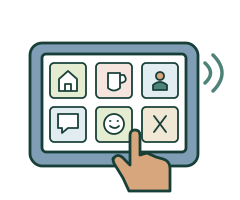
Write down how I communicate
This guide is for people in England. A communication passport helps people understand how you communicate.
 Communication & senses
Help to communicate
This guide is for people in England. There are many ways to communicate.
 Communication & senses
Contacting a service
Get past contact barriers and keep your message in your own control.
Everyday lifeUsing artificial intelligence
Try AI tools, protect your privacy and check important answers.
Everyday lifeAd — Using Alexa
Reminders, calls and questions. Learn simple commands and choose your privacy settings.
 Communication & senses
Sharing time without needing words
You can communicate in different ways. Intensive Interaction is one way people can share time and communicate.
Communication & sensesSpeech and language therapy
This guide is for people in England. A speech and language therapist helps people communicate.
Communication & sensesSigning and communication through touch
Explore signing and communication through touch.
Communication & sensesSymbols and other ways to share a message
Use symbols, pictures or other ways to share your own message.
 Health
Aphasia and changes in language
Get help with changes in speaking or understanding language.
Sensory needs and equipment
Communication & sensesEnjoying your interests
Respect interests as enjoyment and strengths, with practical support for choice, access and balance.
Everyday lifeLocation trackers and your choice
Understand location-sharing devices, their limits and how to plan support that respects your choices.
 Everyday life
Technology that helps you
Technology can help with things you want to do. Different people need different tools.
Everyday lifeClothes that work for you
Your clothes should feel comfortable. You should have choices about what you wear.
 Communication & senses
Help with sounds, light and other sensations
People notice sounds, light and touch in different ways. This guide is about finding what feels right for you.
Communication & sensesMake your own sensory room or corner
Make a sensory space using things you already have.
 Communication & senses
Stories you can explore with your senses
A sensory story uses words and things you can experience. You might hear a sound or feel something rough or smooth.
Communication & sensesTrying sensory equipment
Find ways to borrow and try sensory equipment.
Mental healthExhaustion and burnout
Understand burnout language, reduce overwhelming demands and get changes in health checked.
Safety & safeguardingStaying safe around fireworks
This guide is about fireworks in England. You can choose how to enjoy a celebration.
Seeing, hearing and reading
 Everyday life
Assistance dogs and companion dogs
Dog support, everyday care and access to places you want to go.
 Education
Help with reading, numbers and coordination
Ask for help with reading, numbers or coordination.
HealthHelp with sight and hearing
Ask for sight and hearing checks and everyday support.
HealthMaking reading more comfortable
Explore eye checks and ways to make reading more comfortable.
Conditions & syndromesUnderstanding Usher syndrome
Find support for hearing, sight, communication and everyday life.
Support with everyday life and health
Everyday lifeLearning everyday skills
You can choose something you want to learn. You can get help in a way that suits you.
Communication & sensesSupport for people with PMLD
PMLD means profound and multiple learning disabilities. This means a very severe learning disability and other disabilities. People need a lot of help in daily life.
HealthShowing pain without words
You can show pain without speaking. People should take your pain seriously.
HealthPeople who can help with your health
This guide is for people in England. Different workers help with different things.
 Health
Getting your vaccinations
Vaccines help protect you from some infections. You can ask questions about them.
HealthGetting help with touching or smearing poo
Find respectful help with touching poo, health checks and toilet support.
Find support that works for you
Words and pictures do not work for everyone. Familiar objects, sounds or other ways of communicating may help.