Health · England
Acquired brain injury
Your browser or device provides the reading voice.
This guide is about injury to the brain after birth.
You can read it with someone you trust.

What ABI means
ABI means acquired brain injury.
It is an injury to the brain after birth.

Different causes
A brain injury can follow a fall or accident.
An illness, such as a stroke, can also injure the brain.

Learning disability and ABI
ABI and learning disability are different terms.
Some people have both.
New difficulties still need checking.
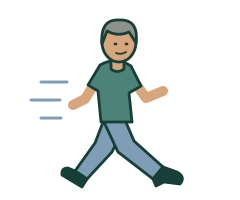
Changes can be different
Moving, speaking or remembering may be harder.
Feelings and behaviour may change.
You cannot see every difficulty.
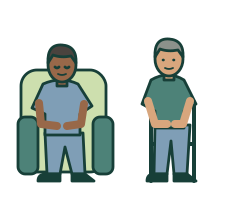
You may feel very tired
Thinking and physical activity can be tiring.
Ask your team about breaks and a manageable routine.

Explain what has changed
Tell your health team what is difficult.
Ask for information you understand.
You can ask for time and communication support.

Your decisions matter
A brain injury does not mean you cannot make decisions.
You should have support to make choices.

Find the right help
Ask about rehabilitation to help with everyday life.
Ask who to contact if your needs change.
Headway offers information and support after brain injury.

New stroke signs need urgent help
A face may suddenly droop, an arm become weak, or speech change.
Call 999 immediately for possible stroke signs.
Call even if signs stopped within the last 24 hours.
Do not drive yourself.
What you can do next
Ask for support based on your own needs.
Tell your team what matters to you.
Read Headway’s brain injury information Web pageThis link opens another website.
It may use harder words.
More useful links
- Headway: what is brain injury? Web page
Causes, effects and links to further help.
- Headway: support after brain injury Web page
Information, a specialist helpline and links to local support. Services vary by area.
- NHS: signs of a stroke Web page
How to recognise possible stroke symptoms and when to call 999.
- NHS: getting a care needs assessment Web page
Ask the council about support with daily living.
These links open other websites.
They may use harder words.
Acquired brain injury (ABI)
Understand changes after a brain injury, ask for assessment and find support with everyday life.
Adults · England · General information
What acquired brain injury means
Acquired brain injury, or ABI, means damage to the brain that happens after birth. A traumatic injury follows a physical injury, such as a fall or road collision. Non-traumatic causes include stroke, brain infection, a tumour or lack of oxygen. The effects depend on the injury and the individual.
ABI and learning disability are different terms
A learning disability affects learning and daily living and starts during development, although it may be diagnosed later. ABI describes an injury after birth. Someone may have either or both; an injury in early childhood can affect development. New difficulties in someone with a learning disability still need assessment. They should not automatically be attributed to their existing disability.
Notice visible and hidden changes
Some people have weakness, balance or speech difficulties. Others have changes in memory, attention, planning, emotions or behaviour that are less obvious. Someone may seem different in personality, or need more time to understand a conversation. Experiences vary. Listen to the person rather than judging their needs from appearance or assuming they are being difficult.
Take fatigue and other symptoms seriously
Fatigue means tiredness that can strongly affect daily activities. Mental effort can be tiring as well as physical activity. Tell the health team what makes symptoms better or worse. Ask about pacing, breaks and manageable routines. The team should also consider treatable causes, such as sleep problems, pain or medicine effects, rather than assuming every symptom comes from the injury.
Ask for assessment that fits the person
Describe changes from what the person could do before the injury. Assessment may cover thinking and memory, communication, movement, mood, daily activities and support needs. Ask for a quiet setting, shorter appointments or information in a suitable format. Supporters can share observations with appropriate permission. Communication or learning difficulties should not prevent access to assessment.
Support communication and decisions
Give time, check understanding and use the person’s preferred communication method. A brain injury does not automatically mean someone cannot make decisions. If capacity is in doubt, assessment must address the particular decision at that time, after support to decide. The person’s wishes and rights still matter. Ask for help if others are making assumptions.
Find rehabilitation and ongoing support
Ask the hospital team or GP about suitable rehabilitation, including community services. Rehabilitation can support everyday skills and participation, but recovery varies and some effects may last. Ask who to contact after discharge and how to request review if needs change. Headway offers brain injury information and support. The council can assess care needs; family carers may also need help.
Recognise a possible new stroke
Call 999 immediately for sudden face drooping, arm weakness or new speech problems. These are FAST signs: Face, Arms, Speech, Time to call 999. Other stroke symptoms can include sudden loss of vision or balance. Call 999 if signs occurred within the last 24 hours even if they stopped. Do not drive yourself. An existing brain injury must not delay emergency assessment of new symptoms.
Words you could use
“Please listen to what has changed, give me time and help me get the right assessment and rehabilitation.”
More useful links
- Headway: what is brain injury? Web page
Causes, effects and links to further help.
- Headway: support after brain injury Web page
Information, a specialist helpline and links to local support. Services vary by area.
- NHS: signs of a stroke Web page
How to recognise possible stroke symptoms and when to call 999.
- NHS: getting a care needs assessment Web page
Ask the council about support with daily living.
These links open other websites.
They may use harder words.
Where the information comes from
Links checked 9 November 2026.
These links open other websites.
They may use harder words.
- University Hospitals Sussex NHS: acquired brain injury Web page
Definition, traumatic and non-traumatic causes and possible effects.
- Headway: what is brain injury? Web page
Lack of oxygen, hidden effects, individual variation and possible lasting needs.
- Headway: living with brain injury Web page
Physical, thinking, emotional, behavioural and communication effects.
- NHS: learning disabilities Web page
Developmental origins, including injury in early childhood, and later diagnosis.
- NICE NG252: assessing rehabilitation needs and goal setting Web page
Individual assessment and adjustments for communication, memory and learning needs. Adult stroke rehabilitation has separate guidance.
- NICE NG252: maintaining, improving or supporting function Web page
Fatigue assessment, contributing factors, emotional health and communication support.
- NICE NG236: stroke rehabilitation in adults Web page
Assessment and accessible rehabilitation planning following an adult stroke.
- NHS: Mental Capacity Act Web pageFuller information
Decision-specific capacity and support to make decisions.
- Headway: support after brain injury Web page
Verified information and support routes for people and carers.
- NHS: getting a care needs assessment Web page
Council assessment of daily living support needs.
- NHS: signs of a stroke Web page
Emergency 999 advice, FAST signs and symptoms that have stopped within the last 24 hours.