Planning & support · England
My keyworker and support plan
Your browser or device provides the reading voice.
DSR means Dynamic Support Register.
It helps services plan support together.

You have not done something wrong
The register is there to help services plan your support.
It does not mean you must go into hospital.

Your keyworker
Your keyworker helps you and services work together.
Tell them what matters to you.
Ask what they can help with.

How to keep in touch
Agree how you want to talk.
Ask when your keyworker is available.
Ask who to contact when they are not there.

Your DSR rating
Services use colours to show different support situations.
Ask what your colour means.
Ask what help you should get.

Your voice matters
Ask for help to understand and take part.
Say who you want involved.
Tell people if you disagree.

Your information
Ask who can see your information.
Ask why it is shared.
Ask for help to understand your choices.

Your support plan
Ask what will happen next.
Ask who will do each job.
Ask when it will happen.

A review meeting
Ask if you need a Care and Treatment Review.
Some reviews also look at education.
Your keyworker can help you prepare.

Changes to keyworking
Ask what happens when you get older or need less help.
Ask who will support you next.
Ask how to get help again.
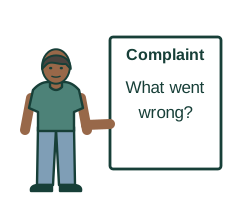
If you are not getting help
Tell the keyworker or their manager what is wrong.
Ask for an answer you understand.
You can ask an advocate to help.

Urgent help
Do not wait for a meeting if you need urgent help.
Use your agreed crisis contacts.
Call 999 if you are in immediate danger.
What you can do next
Ask for the DSR or keyworking team.
You can use the blank page to plan your questions.
Find your local NHS planning team Web pageThis link opens another website.
It may use harder words.
More useful links
- NHS England: keyworking minimum standards and Easy Read version Web pageEasy Read resources
The 2026 standards and a linked Easy Read version. Ask your ICB to explain local eligibility.
- NHS England: DSR and C(E)TR young-person guides Web page
Leaflets to help young people understand the register, reviews and their involvement.
- NHS England: My C(E)TR planner Web page
A planner with or without symbols for preparing for a review and recording what happens next.
- NHS England: DSR and C(E)TR policy and toolkit Web page
National policy, consent information and resources for planning support.
These links open other websites.
They may use harder words.
I have a keyworker and am on the DSR — Easy Read
What the register and a keyworker mean, what to ask and how to get help when the plan is not working.
England · DSR keyworking, mainly for children and young people
What being on the DSR means
DSR stands for Dynamic Support Register. It is a local NHS planning system for people with a learning disability and autistic people, including adults. It identifies people who may need extra support to avoid a mental health hospital admission, and people already in hospital. Being on it does not mean you have done anything wrong or that admission is inevitable. It is separate from the GP learning disability register.
What the colours mean
Red means an immediate risk of admission; amber means urgent help is needed to prevent the risk becoming immediate. Green means identified risks are currently being managed. Blue identifies people already in inpatient services. Ask which rating applies, why, when it was reviewed and how it changes the action services must take. A colour is not a description of your worth or personality.
What a keyworker helps with
A keyworker can help you explain what matters, bring health, education and care services together, follow up actions and raise gaps in support. They can help you prepare for meetings and changes such as moving between services or leaving hospital. Agree how you want to communicate and who you want involved. For adults, family involvement must respect confidentiality and the relevant consent or other lawful decision-making arrangements.
Ask which keyworking service you have
Different services use the word keyworker. This guide concerns the learning disability and autism keyworking programme linked to the DSR. Your keyworker may work for an NHS service, council or charity. Ask for a simple explanation of their role, contact arrangements and what they can and cannot arrange. A keyworker does not personally replace every clinician, social worker or independent advocate.
Age limits and eligibility need an explanation
The introduction to NHS England’s 2026 minimum standards describes an offer for eligible children and young people until their 18th birthday, or their 25th birthday for those in inpatient services. Its detailed DSR section also refers to referrals for ages 0–25, and some local services publish a 0–25 offer. Ask your ICB for its current written criteria and how it applies this guidance, especially for an 18–24-year-old living in the community. DSR inclusion alone does not guarantee every adult a keyworker.
Your plan should lead to action
Ask for a plan you understand. It should identify what needs to change, who is responsible and when each action is due. Bring your goals, strengths, communication needs and worries. You can ask your keyworker to record disagreements and explain how unresolved concerns will be raised with the people able to act. A meeting or register entry is not a substitute for the support itself.
Your agreement and information
DSR registration normally needs informed consent, with the appropriate legal decision-making process if someone cannot consent. Ask what information is on the register, who can see it and why. Separate rules may allow necessary information-sharing without consent, for example safeguarding; that is not blanket permission to ignore the registration process. Ask for the privacy notice. An adult’s relative does not automatically have authority to consent or see all their records. Read the main DSR guide for more on capacity and children’s consent.
Care and Treatment Reviews
A Care and Treatment Review, or a Care, Education and Treatment Review, looks at whether support is right and what should change. Your keyworker can help you ask about a review, prepare and follow up actions. You should have ways to contribute that fit your communication. Ask for accessible notes and an explanation if an agreed action has not happened.
When keyworking support reduces or ends
Ask for the step-down plan: what support continues, who takes over, how information will be handed over and how to be referred again. You should be told what to expect. Involve family or other supporters with your agreement, or under the relevant lawful decision-making rules. If you disagree with a proposed change, explain the risks and ask for a review before the change. Do not assume an end to keyworking also ends every other service.
If the arrangement is not helping
Write down the missing help, unanswered messages and overdue actions. Ask the team manager for a response and the ICB for a review of coordination or eligibility. Ask about independent advocacy and the complaints process. If you need urgent help, use your crisis plan or urgent NHS help; do not wait for the next DSR meeting. Call 999 for immediate danger.
Words you could use
“Please explain my DSR rating, what my keyworker will do, the actions in my plan, and who I contact if the support is not working.”
More useful links
- NHS England: keyworking minimum standards and Easy Read version Web pageEasy Read resources
The 2026 standards and a linked Easy Read version. Ask your ICB to explain local eligibility.
- NHS England: DSR and C(E)TR young-person guides Web page
Leaflets to help young people understand the register, reviews and their involvement.
- NHS England: My C(E)TR planner Web page
A planner with or without symbols for preparing for a review and recording what happens next.
- NHS England: DSR and C(E)TR policy and toolkit Web page
National policy, consent information and resources for planning support.
These links open other websites.
They may use harder words.
Where the information comes from
Links checked 7 November 2026.
These links open other websites.
They may use harder words.
- NHS England: keyworking minimum standards and Easy Read version Web pageEasy Read
The 2026 standards and a linked Easy Read version. Ask your ICB to explain local eligibility.
- NHS England: DSR and C(E)TR young-person guides Web page
Leaflets to help young people understand the register, reviews and their involvement.
- NHS England: My C(E)TR planner Web page
A planner with or without symbols for preparing for a review and recording what happens next.
- NHS England: DSR and C(E)TR policy and toolkit Web page
National policy, consent information and resources for planning support.
- NHS England: 2026 keyworking minimum standards Web page
Eligibility, DSR ratings, information, escalation and step-down. The introduction and detailed DSR section describe age ranges differently; ask the ICB to explain its current criteria.
- NELFT: North East London keyworking service Web page
A local example of a 0–25 service and how keyworkers help. Its local referral arrangements do not apply across England.
- NHS England: DSR and C(E)TR code of practice Web page
Register purpose, support coordination and review triggers.
- NHS England: the PERSONAL principles Web page
Involvement, rights, accessible reports and named actions.
A page for you to fill in
You can type your answers and download a copy.
You can also print a page to write or draw on.
Someone you trust can help you.