Conditions & syndromes · England
Angelman syndrome
Your browser or device provides the reading voice.
This guide is for people in England.
You can read it with someone you trust.

Angelman syndrome affects learning and movement.
People need different kinds of support.

You can communicate without using speech.
Your movements, sounds and expressions can tell people things.

Pictures or a communication device may help.
A specialist can help find what works for you.

Some people have seizures or sleep problems.
Ask your health team for help.
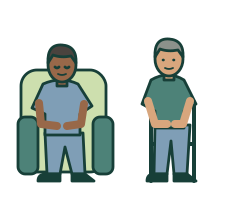
A smile does not always mean someone feels well.
Tell the health team about changes or signs of pain.

Your interests and relationships matter.
Angelman UK has information for you and your supporters.
What you can do next
Please assess the communication support that works best for me.
Read Angelman UK communication guidance Web pageThis link opens another website.
It may use harder words.
Angelman syndrome
Communication, movement, epilepsy and everyday support.
Children and adults · England · General information
Understand the condition
Angelman syndrome is a rare genetic condition affecting the nervous system. People usually need substantial support with learning and daily life. Movement, balance, sleep and seizures can be important concerns. A specialist can explain the diagnosis and arrange care based on the person’s own needs.
Take all communication seriously
Many people use little or no speech. This does not mean they have nothing to say. Notice gestures, gaze, movement and expressions. Ask a speech and language therapist about augmentative and alternative communication, known as AAC, and how supporters can help the person use it.
Choose a suitable communication system
Options may include objects, pictures, communication books or electronic devices. Access needs matter: some people need alternatives to pointing, such as supported scanning or switches. Provide opportunities to communicate preferences, ask questions and refuse, as well as request food or activities. Keep support consistent across settings.
Review health and comfort
Discuss seizures, sleep changes, movement difficulties and feeding concerns with the relevant health team. Ask about physiotherapy and other support when needed. Record the person’s usual ways of showing discomfort. Smiling or laughing does not establish that someone is comfortable; respond to changes and concerns.
Support an enjoyable life
Build plans around relationships, interests and opportunities to participate. Review communication and mobility support as the person grows older. Share a brief plan describing what helps, what causes distress and who to contact. Angelman UK provides condition-specific resources for individuals, families and people providing support.
Words you could use
“Please assess the communication support that works best for me.”
Where the information comes from
Links checked 27 October 2026.
These links open other websites.
They may use harder words.
- NHS: Angelman syndrome Web page
Diagnosis, health needs and support.
- Angelman UK: communication Web page
Communication methods, AAC and different ways of accessing aids.