Health · England
Epilepsy and seizures
Your browser or device provides the reading voice.
Epilepsy can cause seizures.
Different people have different seizures.

A doctor can check what is happening.
A seizure does not always mean epilepsy.

Ask for your own seizure plan.
It tells people how to help you.
Ask for it in a way you understand.

Some people have emergency medicine.
Only give it if it is prescribed for that person.
You must be trained and follow their plan.

Ask for regular epilepsy reviews.
Tell your doctor if seizures or medicines cause problems.
Do not change medicines yourself.
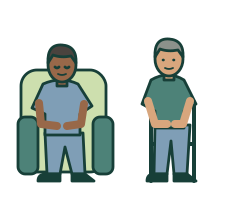
Keep the person safe during a seizure.
Time the seizure.
Do not hold them down.
Do not put anything in their mouth.
If they are lying down, turn them onto their side after shaking stops.
Stay with them until they recover.
Wait until full recovery before food or drink.
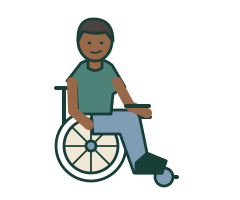
If they are in a wheelchair, put the brakes on.
Keep their belt or harness fastened.
Support and cushion their head.
Do not try to move them out of the chair.
Call 999 for a first seizure.
Call if it lasts longer than usual.
If you do not know their usual length, call after five minutes.
Call 999 if seizures repeat without recovery.
Call if they do not fully wake up.
Call for serious injury or breathing problems afterwards.
Follow their emergency plan if you are trained.
What you can do next
Ask your epilepsy doctor or nurse for help.
Share the plan with people who support you.
Read NHS seizure first aid Web pageThis link opens another website.
It may use harder words.
More useful links
- Seizure first aid Web page
Ambulance service advice for supporters.
- Understanding epilepsy Web page
NHS information about assessment, treatment and daily life.
These links open other websites.
They may use harder words.
Epilepsy and learning disability
Understanding seizures, getting a personal care plan and knowing when to get urgent help.
Children and adults · England
Understanding seizures
Epilepsy causes repeated seizures. Some involve shaking or falling; others involve brief changes in awareness, feelings or movements. A seizure does not always mean epilepsy. Tell the doctor what happened before, during and afterwards. Changes should be assessed rather than automatically attributed to a learning disability. A supporter who witnessed the event can help explain it.
Make a plan for this person
Ask the epilepsy team for a clear, personalised written plan that everyone supporting the person can understand. It should describe their usual seizures, recovery, what to record, emergency action and contacts. If rescue medicine is prescribed, only someone trained to give it should administer it, following that person's prescription and plan. Ask who will train new supporters and keep the plan updated.
Reviews and everyday life
NICE recommends at least annual monitoring for adults with epilepsy and a learning disability, and at least yearly reviews tailored to children. Ask for an earlier review if seizures change, treatment causes difficulties or needs change. Bring questions about communication, sleep, learning, daily activities and medicines. Ask the specialist to explain individual risks, including sudden unexpected death in epilepsy, and practical ways to reduce risk while supporting activities that matter to the person.
Medicines need individual advice
Take epilepsy medicines as prescribed. Do not stop them or change doses yourself. Discuss side effects, difficulties swallowing or giving medicines through a feeding tube with the prescriber or pharmacist. If pregnancy is possible or planned, seek specialist advice about medicine safety. Keep taking prescribed treatment while arranging that review.
During a seizure
Time the seizure, clear nearby hazards and cushion the head. Do not hold the person down or put anything in their mouth. Move them only if they are in danger. For someone lying down, turn them onto their side after shaking stops and stay until recovery. If they are in a wheelchair, apply the brakes and keep an existing belt or harness fastened. Support and cushion their head. Do not try to move them out of the chair. Wait until fully recovered before offering food or drink.
When to call 999
Call 999 for a first seizure; one lasting longer than usual, or over five minutes if the usual duration is unknown; repeated seizures without recovery; failure to regain full consciousness; serious injury; or breathing difficulty afterwards. For known epilepsy, trained supporters should follow the individual emergency plan. A usual seizure with normal recovery does not always require hospital attendance.
Words you could use
“Please help us make an accessible seizure plan, arrange training and explain when to call 999.”
More useful links
- Seizure first aid Web page
Ambulance service advice for supporters.
- Understanding epilepsy Web page
NHS information about assessment, treatment and daily life.
These links open other websites.
They may use harder words.
Where the information comes from
Links checked 27 October 2026.
These links open other websites.
They may use harder words.
- NHS: epilepsy Web page
Seizure types, treatment and medicine safety.
- NHS: seizure first aid Web page
When to call 999 and follow an individual care plan.
- NICE NG217: monitoring and review Web page
Review recommendations, including learning disability.
- NICE NG217: information and support Web page
Accessible information, agreed care plans, individual risks and daily activities.
- East of England Ambulance Service Web page
Safe seizure first aid and recording what happens.