Later life · England
When someone dies
Your browser or device provides the reading voice.
This guide is for people in England.
You can ask for support when someone dies.

Someone important to you may have died.
You may have many different feelings.

Ask someone to explain what happened.
You can ask the same question again.

You can use pictures, sounds, objects or communication aids.
You do not have to use speech to show your feelings.
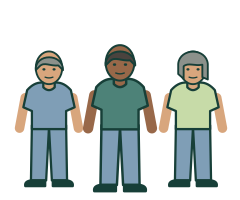
Ask what will happen at a funeral or ceremony.
You can get help to choose how you want to take part.
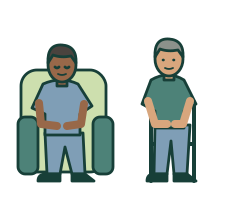
You might remember someone with music, photographs or a special object.
Choose what feels right for you.

Familiar routines and people can help.
Feelings can change over time.

Tell someone if you need more help.
Your GP can help if your sleep, eating or health is affected.
What you can do next
Choose someone you trust.
Tell or show them what help you need.
Ask someone to support you Web pageThis link opens another website.
It may use harder words.
More useful links
- SeeAbility: dealing with death — Easy Read Web pageEasy Read
Pictures and clear words about death, funerals, grief and getting support. Read online or download the booklet.
- Leeds Teaching Hospitals: bereavement and learning disability Web page
Accessible explanations, inclusion and support after someone dies.
- Children and Family Health Devon: learning disability and bereavement Web page
Communication, routines and sensory ways to support children and young people through grief.
- NHS: grief after a bereavement or loss Web page
Different experiences of grief and when to seek help.
- BTM: Easy Read everyday living booklets Web pageEasy Read resources
Includes moving home and what to do when someone dies. Some booklets are older; check dates and contact details.
These links open other websites.
They may use harder words.
Support when someone dies
Explain death accessibly, include the person and support different ways of grieving.
Children and adults · England · Adapt support to the person
Recognise different kinds of grief
Someone may grieve after the death of a relative, friend, housemate, partner or supporter. Feelings can change over time and may include sadness, anger, worry, numbness or moments of enjoyment. There is no single timetable or correct response. Not crying or not speaking about the death does not mean someone is unaffected.
Explain what has happened
Use clear, concrete words suited to the person’s understanding. Explain that the person has died and will not come back, rather than describing death as sleeping. Share information in manageable parts, check understanding and be prepared to repeat it. Pictures, accessible stories and communication aids can help people ask their own questions.
Include people with profound and multiple learning disabilities
People with profound and multiple learning disabilities may experience loss through changed routines, relationships and familiar sensations. Notice their individual expressions, movements, sounds and comfort needs. Familiar music, photographs, objects or gentle shared activities may support connection. Offer experiences sensitively and stop if they cause distress; do not require a particular response.
Offer choices about remembering
Explain funerals or other ceremonies beforehand using the person’s communication methods. Offer choices about attendance, a shorter visit, a support person or another way to remember. A memory box, favourite song, photograph or meaningful place may help. Respect cultural, spiritual and personal preferences, including choosing not to join an activity.
Keep support familiar and observant
Maintain reassuring routines where possible and explain unavoidable changes. Tell relevant supporters what has happened, with appropriate permission, so explanations are consistent. Watch for changes in eating, sleep, distress or participation. These changes can have physical or mental health causes too; do not automatically attribute every new difficulty to grief.
Ask for additional help
Talk with the GP or learning disability team if distress is persistent, health is affected or supporters are unsure how to help. Ask about accessible counselling or specialist bereavement support. Children may also need help through their school or children’s health team. Supporters can seek help for their own grief as well.
Words you could use
“Please help explain what has happened in a way this person understands, and agree how we will support their grief and choices.”
More useful links
- SeeAbility: dealing with death — Easy Read Web pageEasy Read
Pictures and clear words about death, funerals, grief and getting support. Read online or download the booklet.
- Leeds Teaching Hospitals: bereavement and learning disability Web page
Accessible explanations, inclusion and support after someone dies.
- Children and Family Health Devon: learning disability and bereavement Web page
Communication, routines and sensory ways to support children and young people through grief.
- NHS: grief after a bereavement or loss Web page
Different experiences of grief and when to seek help.
- BTM: Easy Read everyday living booklets Web pageEasy Read resources
Includes moving home and what to do when someone dies. Some booklets are older; check dates and contact details.
These links open other websites.
They may use harder words.
Where the information comes from
Links checked 27 October 2026.
These links open other websites.
They may use harder words.
- NHS: grief after a bereavement or loss Web page
Different experiences of grief and when to seek help.
- Leeds Teaching Hospitals: bereavement and learning disability Web page
Accessible explanations, inclusion and support after someone dies.
- Children and Family Health Devon: learning disability and bereavement Web page
Communication, routines and sensory ways to support children and young people through grief.
- NHS England: end of life care for people with a learning disability PDF
Individual communication, comfort, pain assessment and coordinated care.