Health · England
Visiting friends and relatives
Your browser or device provides the reading voice.
This guide is about visiting someone in England.
They may be in a residential home or nursing home.
They may be in a hospital or hospice.
You can read this guide with someone you trust.
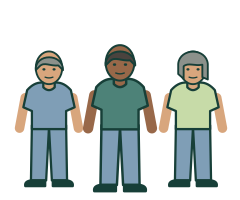
Plan your visit
Ask if the person wants you to visit.
Ask when they would like to see you.
They can choose not to have visitors.

Contact the home, hospital or hospice before you go.
Check the place and visiting arrangements.
Ask who will meet you.
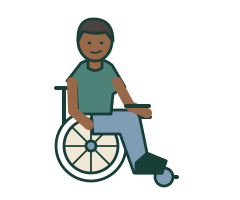
Plan how you will get there and home.
Ask someone to come with you if you want support.

Tell staff what help you need.
You may need clear directions, a quiet room or accessible toilets.
Ask for changes that help you visit.
What the visit may be like
The person may look different or use medical equipment.
Ask staff to explain what you might see.
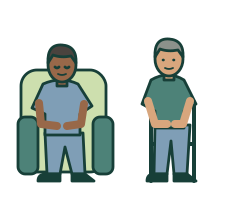
A hospice supports people with an illness that cannot be cured.
Hospice care can start before someone’s last days.
Some people go home after a short stay.

Ask what the person would enjoy.
You could talk, share pictures or listen to music.
You can also sit quietly together.
Let the person rest if they are tired.
Ask before touching them or taking photographs.
A short visit can be enough.

Keeping everyone safe
Clean your hands when you arrive and leave.
If you are unwell, contact staff before travelling.
Ask when it will be safe to visit.

Check before giving food or drinks.
Do not give medicines or change medical equipment yourself.
Ask staff if you are unsure.

Tell staff if the person seems more unwell.
Explain what is different from usual.
Ask for urgent help if needed.

Visiting rights and getting help
Care homes, hospitals and hospices should help wanted visits happen.
Staff must consider the person’s wishes.
Stopping a wanted visit should be very unusual.
If staff stop a wanted visit, ask why.
Ask what could help the visit happen safely.
Ask the manager to explain and review the decision.
If you cannot visit, ask about other ways to keep contact.
You could call, send a card or arrange a video call.
Ask what the person would like.
When someone is very ill
If the person is dying, ask staff about visiting now.
Ask them to explain what is happening in clear words.
You can ask about staying longer.
It is OK to feel worried or sad.
You can take a break or ask someone to support you.
You can choose not to visit.

Afterwards, talk to someone you trust if that helps.
Ask the person how they want to keep in touch.
What you can do next
Contact the home, hospital or hospice and explain your needs.
Use My visit plan to help you get ready.
Read Easy Read visiting guidance PDFEasy ReadThis link opens another website.
It may use harder words.
More useful links
- CQC: visiting care homes, hospitals and hospices — Easy Read PDFEasy Read
A 9-page picture guide about wanted visits, appointments and what services should do.
- NHS: visiting someone in hospital Web page
Planning a hospital visit, hand washing, illness and things to check before bringing gifts.
- NHS: hospice care Web page
What hospice care can involve, including short stays and support for families.
- Hospice UK: what is hospice care? Web page
How hospice teams support people and those close to them.
- Hospice UK: looking after yourself when someone is dying Web page
Support with feelings, breaks, time at the bedside and practical arrangements.
- CQC: visiting and accompanying rights Web page
More detailed guidance for services in England about visiting and reviewing restrictions.
- NHS: learning disability hospital support Web pageFuller information
Passports, liaison nurses and possible support adjustments.
These links open other websites.
They may use harder words.
Visiting friends and relatives in care homes, hospitals and hospices
Plan a visit to a friend or relative, get the support you need and understand visiting rights.
England · Residential and nursing care homes, hospitals and hospices
Different places you might visit
Residential homes provide a place to live and help with personal care. Nursing homes also have qualified nurses on duty. Both are care homes. Hospitals provide assessment and treatment. Hospices support people with illnesses that cannot be cured, including help with symptoms and emotional needs. Hospice care can begin well before someone’s last days; some people stay briefly and return home. Ask the particular service what your visit may be like.
Start with the person’s wishes
Ask whether the person wants you to visit, when and for how long. Offer ways to answer that work for them, including pictures, signs or their communication aid. Their wishes can change. A learning disability or dementia does not automatically stop someone deciding about visitors. If they cannot make this particular decision, staff must follow the applicable decision-making law, including their wishes and best interests. Being a relative does not automatically give someone authority to decide for them.
Plan the journey and arrival
Contact the home, ward or hospice before travelling. Check the address, room or ward, visiting arrangements and who will meet you. Plan your journey home as well as getting there. Ask about accessible entrances, lifts, parking costs, toilets and somewhere to rest. Check arrangements for children, pets or overnight stays rather than assuming these are available. Ask staff to explain how to sign in and where to wait.
Ask for help with your own needs
You may need someone to travel with you, picture directions, clear words, an interpreter or a quieter time. Explain what will help and ask for reasonable adjustments. Discuss bringing your own supporter with the service and the person you are visiting. Ask staff to explain unfamiliar surroundings or equipment. Staff can give general explanations, but must respect the person’s confidentiality when sharing health information.
Enjoy time together
Ask what the person would enjoy. You could talk about everyday news, share photographs, listen to music, do a familiar activity or sit quietly. Say who you are if this helps. Give them time to respond and do not make conversation feel like a test. Ask before touching or hugging them. Offer a shorter visit if they are tired, and let them rest. Agree another visit or call if they want one.
Stay safe during the visit
Clean your hands when arriving and leaving, and follow the service’s infection precautions. If you have an illness you might pass on, contact staff before travelling and postpone an ordinary visit until it is safe. If the person is dying, tell staff urgently so they can consider how contact can be supported safely. Check before bringing food, drinks, flowers or other gifts. Follow the person’s eating and drinking plan; do not give medicines or adjust equipment yourself. Ask staff for help.
Privacy and worries about care
Ask permission before taking or sharing photographs. Avoid including other residents, patients or private information. Staff may need privacy for personal care or treatment; ask when you can return. If the person seems in pain, more sleepy, confused or otherwise different from usual, tell the staff straight away and ask for a review. Give examples of what has changed. If someone may be seriously unwell, seek urgent help rather than waiting for a complaint.
Wanted visits should be supported
In England, Regulation 9A applies to relevant registered care homes, hospitals and hospices. It protects people’s ability to receive visits they want and accompaniment to hospital or hospice day appointments. Care-home residents must not be discouraged from visits out. The starting point is to make contact possible, using the least restrictive safe arrangements. A service should restrict a wanted visit only in exceptional circumstances, after considering precautions that could make it safe. The person’s refusal and lawful restrictions still matter. Supported-living and extra-care accommodation are outside Regulation 9A. Hospice-at-home is not automatically covered by this premises-based duty. People still have other rights.
Support and visits outside usual arrangements
Explain if your presence helps the person communicate, understand care or feel safe. Ask how this support can continue, including different times where needed. Hospital learning disability liaison staff may help. The service remains responsible for safe care; visitors should not be expected to replace staff. If a care-home resident wants an outing, plan any support, transport, medicines and return arrangements together. Visiting rights do not automatically provide free transport or extra staff.
If staff restrict a wanted visit
Ask the manager for an understandable reason, whose wishes were considered, what safer alternatives were tried and when the restriction will be reviewed. Restrictions should respond to the individual situation and be removed when no longer needed. Ask about a quieter space, different time or other proportionate precaution. A phone or video call can help if a visit is temporarily impossible, but should not replace a wanted in-person visit that can happen safely.
Getting help with an unresolved restriction
For hospital care, ask the ward manager, learning disability liaison team, PALS or complaints service. In a care home or hospice, ask the manager for the complaints procedure and whether the organisation paying for care can help. An advocate can help the person explain their wishes. You can give CQC information about care, but it generally does not resolve individual complaints. If staff rely on a court order or mental health law, ask for advice about the particular restriction.
When someone is very ill or dying
Ask staff to explain what you might see and how you can spend time together comfortably. You do not need perfect words. Quiet company, familiar music or holding a hand, if wanted, may be enough. Ask about private space, flexible visiting and whether an overnight stay can be arranged. CQC expects in-person visits at the end of life to be supported; this is not only about the final hours. If the situation is urgent, tell the staff now.
Look after yourself and keep in touch
A visit can bring up sadness, worry or other strong feelings. You can ask someone to come with you, take a break or talk afterwards. You can also choose not to visit and discuss another way to show you care. Ask about a phone call, video call, card or message that the person would enjoy. Agree who will help with this if needed. If someone dies, ask for clear information and bereavement support that you understand.
Words you could use
“I want to visit my friend or relative. Please help us plan the visit, explain what to expect and arrange the support we need.”
More useful links
- CQC: visiting care homes, hospitals and hospices — Easy Read PDFEasy Read
A 9-page picture guide about wanted visits, appointments and what services should do.
- NHS: visiting someone in hospital Web page
Planning a hospital visit, hand washing, illness and things to check before bringing gifts.
- NHS: hospice care Web page
What hospice care can involve, including short stays and support for families.
- Hospice UK: what is hospice care? Web page
How hospice teams support people and those close to them.
- Hospice UK: looking after yourself when someone is dying Web page
Support with feelings, breaks, time at the bedside and practical arrangements.
- CQC: visiting and accompanying rights Web page
More detailed guidance for services in England about visiting and reviewing restrictions.
- NHS: learning disability hospital support Web pageFuller information
Passports, liaison nurses and possible support adjustments.
These links open other websites.
They may use harder words.
Where the information comes from
Links checked 5 November 2026.
These links open other websites.
They may use harder words.
- NHS: visiting someone in hospital Web page
Local arrangements, infection precautions and safe visiting.
- CQC: Regulation 9A Web page
Visits, accompaniment, consent, proportionate precautions and review.
- NHS England: reasonable adjustments Web page
Removing disability-related access barriers.
- NHS: hospital support for learning disability Web pageFuller information
Familiar supporters and liaison help.
- NHS: Mental Capacity Act Web pageFuller information
Decision-specific capacity and best interests.
- NHS England: clinical care for learning disability Web pageProfessional guidance
Listening to people and supporters, recognising deterioration and staff responsibility.
- NHS: different types of care home Web page
Residential and nursing care homes.
- CQC: Easy Read visiting guidance PDFEasy Read
Wanted visits, individual restrictions, ongoing review and end-of-life contact.
- DHSC: review of Regulation 9A, March 2026 Web page
Scope, supported living and extra-care exclusions, existing duties and future proposals.
- NHS: hospice care Web page
Short stays, support before the last days and help for people close to the patient.
- Hospice UK: what is hospice care? Web page
Hospice support and the people it can help.
- Hospice UK: looking after yourself Web page
Emotional support, breaks, practical arrangements and choosing how to keep contact.
A page for you to fill in
You can type your answers and download a copy.
You can also print a page to write or draw on.
Someone you trust can help you.