Mental health · England
Understanding DBT
Your browser or device provides the reading voice.
DBT is a kind of talking therapy.
It can help some people manage very strong feelings.

Understand and make changes
Your feelings deserve to be taken seriously.
You can learn new ways to respond.
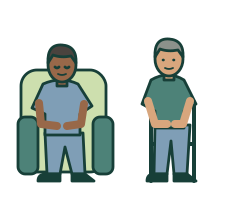
Notice the present
Mindfulness means noticing what is happening now.
Your therapist can explain and practise this with you.

Get through difficult moments
Learn ways to cope when feelings are very strong.
The aim is to get through safely.

Understand emotions
Learn to notice and name your feelings.
Explore what helps you respond to them.

Build relationship skills
Practise asking for what you need.
Learn ways to set boundaries and manage disagreements.

Ask about the programme
A full DBT programme is more than worksheets.
Ask what sessions and support your service offers.
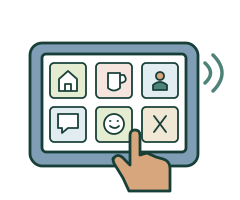
Make therapy accessible
Ask for pictures, clear words, repetition or breaks.
Tell the therapist what helps you learn.

Review your goals
Agree manageable practice between sessions.
Tell your therapist what helps and what is difficult.

Urgent help
For urgent mental health help, call 111 and select the mental health option.
If you cannot keep yourself or someone else safe, call 999 or go to A&E.
What you can do next
Ask your GP or mental health team about suitable therapy.
Read NHS information about talking therapies Web pageThis link opens another website.
It may use harder words.
More useful links
- Dorset HealthCare: DBT Web page
Acceptance, change and the four main skill areas.
- RDaSH: DBT Web page
An NHS service explains assessment and the elements of a programme; local offers vary.
- NHS: talking therapies Web page
Types of therapy and asking a GP about specialist options.
- NHS: urgent mental health help Web page
Urgent advice and emergency help.
These links open other websites.
They may use harder words.
Dialectical behaviour therapy (DBT)
Understand DBT, skills for strong emotions, treatment programmes and accessible support.
Adults · England · Assessment and local services determine treatment
Acceptance and change can work together
Dialectical behaviour therapy, or DBT, is a structured psychological treatment. It helps people understand intense emotions and develop safer, more useful ways of responding. Acceptance means recognising your present experience without judging you as a bad person. Change means building skills and working towards your goals. Accepting that something happened does not mean approving of abuse or giving up your rights.
Four areas of skills
Mindfulness means noticing what is happening now. Distress tolerance means getting through a difficult moment without making the situation more harmful. Emotion regulation means understanding feelings and learning ways to respond to them. Interpersonal effectiveness means communicating needs, setting boundaries and managing relationships. These skills need explanation and practice; the aim is not to stop having emotions.
What a full programme involves
Comprehensive DBT usually combines individual therapy, skills teaching, agreed support to use skills between sessions and a consultation team supporting therapists. A worksheet or DBT-informed skills group alone is not the same programme. Ask what your service offers, how often sessions happen and how long treatment may take. Any telephone coaching has agreed availability and boundaries; do not assume it is available around the clock.
Who might be offered DBT
DBT is often offered for intense emotional difficulties associated with borderline personality disorder, also called emotionally unstable personality disorder or EUPD. NICE specifically recommends considering comprehensive DBT for women with that diagnosis when reducing recurrent self-harm is a priority. An assessment should consider your particular difficulties, preferences and other support needs. Being offered DBT does not itself establish a diagnosis.
Finding treatment and choosing together
Ask your GP or mental health team about local psychological therapies. DBT often uses a specialist referral pathway; NHS Talking Therapies self-referral does not guarantee access. Availability, referral criteria and waiting times differ. A trained therapist should explain the proposed treatment and alternatives. Ask about their DBT training, supervision, support while waiting and whom to contact if things become harder.
Make learning accessible
Ask for explanations in a form you understand, such as pictures, short written steps or demonstrations. A learning disability should prompt consideration of adaptations and appropriate expertise. Agree the pace, repetition, breaks and support for practice. Talk about communication or sensory needs and any worries about groups. Involve a chosen supporter only as agreed with you, including clear privacy arrangements.
Practise and review the plan
Agree meaningful goals and manageable practice between sessions. A diary or another accessible record may help you and your therapist understand feelings and responses. Discuss difficulties with attending or using skills so the plan can be reviewed. Progress varies, and no therapy can promise a particular result. Agree how helpfulness will be checked and what happens if the treatment is not meeting your needs.
When help is urgent
Do not wait for the next therapy session if help is urgent. Use NHS 111’s mental health option or an urgent GP appointment. Call 999 or go to A&E if life is at risk or someone cannot be kept safe.
Words you could use
“Please explain whether DBT could help me, what the programme includes and how you will adapt it to my needs.”
More useful links
- Dorset HealthCare: DBT Web page
Acceptance, change and the four main skill areas.
- RDaSH: DBT Web page
An NHS service explains assessment and the elements of a programme; local offers vary.
- NHS: talking therapies Web page
Types of therapy and asking a GP about specialist options.
- NHS: urgent mental health help Web page
Urgent advice and emergency help.
These links open other websites.
They may use harder words.
Where the information comes from
Links checked 9 November 2026.
These links open other websites.
They may use harder words.
- Dorset HealthCare: DBT Web page
Acceptance alongside change, mindfulness, distress tolerance, emotions and relationships.
- RDaSH: DBT Web page
Assessment, individual therapy, skills training, coaching boundaries and therapist consultation.
- NHS: borderline personality disorder treatment Web page
Trained professionals, local availability and DBT as one treatment option.
- NICE CG78: borderline personality disorder Web page
Informed treatment choice, accessible information, supervision and the specific comprehensive DBT recommendation.
- NHS: talking therapies Web page
Specialist referral routes and local availability of DBT.
- NICE NG54: mental health and learning disabilities Web page
Adaptations to psychological therapy and support with everyday practice.
- NHS: urgent mental health help Web page
Urgent GP or NHS 111 mental health advice and emergency thresholds.