Health · England
Looking after my feet
Your browser or device provides the reading voice.
You can ask for help with your feet.
Your comfort and choices matter.

Say if something hurts
Tell someone about pain or skin changes.
Feet need care even if you use a wheelchair.

Ask about a podiatrist
A podiatrist helps with foot problems.
The same professional may be called a chiropodist.

Find the right service
Ask your GP how to get help.
Some services let you contact them yourself.

Check what is available
NHS services have eligibility rules.
Ask about costs before booking private care.
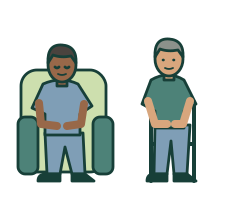
Explain what helps
Ask staff to explain before touching your feet.
Agree how you can ask for a pause.

Plan everyday help
You may need help washing, drying or checking your feet.
Ask what support fits your health needs.
Get help with difficult nails
Ask for help if you cannot cut or reach them safely.
Do not dig at a painful nail or cut away a corn.

Check your shoes
Tell someone if shoes rub or hurt.
Ask for a review of specialist footwear if needed.

Diabetes needs extra planning
Ask your team about foot checks and advice.
Get prompt help for a new wound or damaged skin.
A hot or swollen foot
If you have diabetes, a new hot or swollen foot needs urgent help.
It can be serious even without pain or a wound.
Contact your foot team or GP. Call 111 if they are unavailable.

Do not wait if an infection worsens
Contact your foot team or GP urgently.
Call 111 if they are closed.
Call 999 if you are seriously unwell or may have sepsis.

Keep the plan up to date
Know who will help and when you will be reviewed.
Tell the team if the plan is not working.
What you can do next
Ask about a local podiatry service.
Use your own clinical plan for specific care.
Read NHS foot and nail advice Web pageThis link opens another website.
It may use harder words.
More useful links
- NHS: nail problems and finding a podiatrist Web page
When to ask for help and possible local referral routes.
- Kent NHS: diabetes foot-care advice Web page
Practical clinical information. Local contact arrangements are for Kent; use your own team’s contacts.
- NICE: diabetic foot problems Web page
Professional guidance on checks, risk, referral and treatment.
- HCPC: regulated health professions Web page
Explains regulated titles, including podiatrist and chiropodist.
These links open other websites.
They may use harder words.
Looking after your feet and getting podiatry help — Easy Read
Get help with foot comfort, skin, nails, footwear and the right assessment.
England · Adults · Diabetes and other health conditions may need a specialist foot plan
Feet matter in everyday life
Comfortable feet can help with walking, standing, transfers and enjoying activities. Foot discomfort also matters if you use a wheelchair. Tell a clinician about pain, new skin changes or difficulty wearing your usual shoes. If someone does not use speech, describe changes such as pulling away during dressing or avoiding an activity without assuming the cause.
What a podiatrist does
Podiatrists, also called chiropodists, assess and treat problems affecting feet. They may advise on skin, nails, pain, footwear and particular conditions. Podiatrist and chiropodist are regulated professional titles. An orthotist has a different role, including assessing and fitting supports such as braces or specialist footwear. Ask which service fits the problem.
Find the local route
Ask your GP about referral to NHS podiatry. Some local services accept self-referrals; the GP practice or ICB can explain the route. NHS eligibility and the treatment offered vary with clinical need and local arrangements. Routine nail cutting is not automatically available. If a service cannot help, ask for the reason and an appropriate alternative.
If you choose private care
Ask about the full cost, what an appointment includes and any follow-up charges. Check the practitioner’s exact title and registration with the Health and Care Professions Council if they describe themselves as a podiatrist or chiropodist. Tell them about health conditions, medicines and any previous foot problems. A convenient appointment is not a substitute for the expertise you need.
Make examination comfortable
Explain how you communicate, where it hurts and what helps with touching or removing shoes. Ask staff to explain before examining you and agree a way to pause. Bring the footwear, socks or braces you usually use if the service asks. Choose who helps with personal care and keep examinations and photographs private.
Agree help with daily foot care
Discuss washing, drying, looking at the skin and getting comfortable footwear on. Ask what you can manage and which tasks need assistance. For diabetes or reduced feeling, ask how often checks should happen and what supporters should notice. A clinician should advise about products and any treatment; the same routine will not suit everyone.
Get help with difficult nails or skin
Ask a podiatrist if nails are too hard to cut or you cannot reach them safely. Ask the GP about unexplained nail changes or sore, swollen, warm skin around a nail. Do not dig at nails, cut away corns or use sharp tools to treat a problem yourself. Ask before using foot treatments when diabetes, poor circulation or reduced feeling may affect safety.
Check footwear and equipment
Shoes should suit the person’s feet and activities. Notice rubbing, pressure or changes in fit, including when using braces, footplates or specialist footwear. Ask about a review if pain or skin problems develop. Do not alter prescribed supports without advice. The adaptive-clothing guide has more on choosing footwear and checking it with the equipment you use.
Diabetes needs a foot-care plan
Diabetes can affect feeling and circulation in the feet, so an injury may not hurt as expected. Ask your diabetes team about foot checks, your level of risk and who to contact. New wounds, blisters or damaged skin need prompt advice from the foot team, GP or diabetes nurse. Do not wait for a routine review or assume lack of pain means no problem.
Recognise when help is urgent
If you have diabetes, a newly hot, swollen or shape-changed foot needs urgent assessment, even with no wound or little pain. It can be a sign of a serious bone and joint problem called Charcot foot. Contact the foot team or GP urgently; use NHS 111 if they are unavailable. Avoid putting weight on the foot while seeking advice and ask for help to move safely. A wound with increasing warmth, swelling, spreading colour change, discharge or feeling unwell also needs urgent advice. Call 999 if seriously unwell or you think you may have sepsis. Follow any individual foot emergency plan.
Keep support joined up
Ask for the assessment, agreed care, contacts and review date in a format you understand. Explain if you cannot manage the plan or appointments. Share relevant instructions with the people helping you, with appropriate permission. Review footwear and support when health or mobility changes, and keep your own comfort and activities central.
Words you could use
“My feet or nails are causing difficulty. Please assess the problem, explain the right service and agree safe support that I can manage.”
More useful links
- NHS: nail problems and finding a podiatrist Web page
When to ask for help and possible local referral routes.
- Kent NHS: diabetes foot-care advice Web page
Practical clinical information. Local contact arrangements are for Kent; use your own team’s contacts.
- NICE: diabetic foot problems Web page
Professional guidance on checks, risk, referral and treatment.
- HCPC: regulated health professions Web page
Explains regulated titles, including podiatrist and chiropodist.
These links open other websites.
They may use harder words.
Where the information comes from
Links checked 7 November 2026.
These links open other websites.
They may use harder words.
- NHS: nail problems Web page
Nail concerns, podiatry referral, possible self-referral and safe limits of self-care.
- NICE NG19: diabetic foot problems Web page
Clinical assessment, risk-based review and urgent referral for active problems.
- Kent Community Health NHS Foundation Trust: diabetes footcare Web page
Individual daily care, possible reduced feeling, infection signs and escalation.
- HCPC: regulated professions Web page
Podiatrist and chiropodist regulation and professional roles.
- NHS England: reasonable adjustments Web page
Accessible appointments, communication and agreed support.
A page for you to fill in
You can type your answers and download a copy.
You can also print a page to write or draw on.
Someone you trust can help you.