Work & volunteering · England
When I am too ill to work
Your browser or device provides the reading voice.
This guide is for people in England.
You can ask someone you choose to read it with you.

Tell your workplace
Tell the right person that you are unwell.
Ask for a way to contact them that works for you.

Count the days
Count every day you are off sick.
This includes weekends.

Ask about a fit note
For 7 days or less, you normally explain your sickness yourself.
For longer sickness, ask a healthcare professional about a fit note.

Check your sick pay
Ask payroll what money you will get and when.
Not everyone gets their usual full wages.

Agree contact
Ask how often your manager will contact you.
Agree what information other people need to know.

Plan your return
Talk about work tasks and help you need.
Ask for a plan you understand.
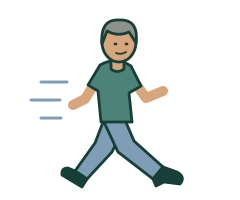
Build up if needed
You could ask to start with fewer hours or different tasks.
Check what you will be paid before agreeing.

Ask for adjustments
Explain what makes work difficult.
Ask for changes that help you do your job.

Check the plan
Agree when to review your return.
Tell your manager if the support is not working.
Get advice
A union or Acas can help explain your rights.
Get advice before resigning or signing changes you do not understand.
What you can do next
Use the links below for more information.
You can use the worksheet to prepare questions and plan support.
Read Acas advice about sick leave Web pageThis link opens another website.
It may use harder words.
More useful links
- Acas: sick leave Web page
Reporting sickness, keeping in touch and preparing to return.
- Acas: fit notes and self-certification Web page
When a fit note is needed and what to do if it is delayed.
- Acas: current statutory sick pay Web page
Eligibility, 2026 changes, payment calculations and disputes.
- Acas: phased returns Web page
Agree duties, hours, reviews and pay for a gradual return.
These links open other websites.
They may use harder words.
Being off sick and returning to work — Easy Read
Report sickness, understand fit notes and sick pay, and agree support for returning to a paid job.
England · Paid work · Rights depend on employment status and circumstances
Report that you are unwell
Check the workplace absence policy and tell the named person as soon as required. Explain that you are unable to work and, if known, when you expect to update them. Physical and mental health problems can both lead to sick leave. Ask for an accessible reporting method if a telephone call or online form is difficult. A chosen supporter can help with your agreement, but should not pretend to be you. Keep a record of what you reported.
Self-certification and fit notes
For sickness lasting 7 calendar days or less, including weekends, you normally self-certify rather than supply a fit note. If you are off for longer, obtain a fit note from an appropriate registered healthcare professional. It may say you are not fit for work or may be fit with changes. Tell your employer promptly if an appointment delay affects getting it. Ask the clinician and employer to explain the note and the next steps.
Check statutory and workplace sick pay
Your employer may offer contractual sick pay as well as statutory sick pay, known as SSP. Since 6 April 2026, SSP has no lower earnings limit or initial waiting days, but other eligibility conditions still apply. It covers eligible workers classed as employed for tax purposes who have done work for the employer and reported sickness appropriately. Being self-employed for tax purposes does not qualify. Check your actual status and policy rather than relying on the job title.
Understand the amount and any shortfall
For 2026–27, eligible SSP is the lower of £123.25 a week or 80% of average weekly earnings, payable for qualifying sickness days for up to 28 weeks. A part-week payment is calculated for the relevant days; it is not always the full weekly amount. Ask payroll for a clear calculation, the pay date and when entitlement may end. If you cannot get SSP, ask for written reasons and about form SSP1. Seek a benefits check if income falls. Rates and rules can change.
Agree contact and protect privacy
Discuss how often your manager will contact you and which method is usable. Ask what information they need, who will see it and what colleagues will be told. You do not have to share every personal detail with the whole team. Agree how to update an expected return date and ask for important decisions in an accessible format. If contact becomes overwhelming, explain the effect and propose a workable arrangement.
Plan returning before problems build up
Ask for a return-to-work conversation about tasks, hours, support and changes since you were away. Such a meeting is good practice, not a legal requirement in every case. Discuss any fit-note recommendations and whether occupational health advice would help. The employer remains responsible for considering reasonable adjustments where the duty applies. Straightforward useful changes need not always wait for a specialist report.
Agree a phased return and its pay
A phased return can mean building up hours, doing different tasks or reducing workload for a time. Agree what will happen, how long it will last and when it will be reviewed. Confirm pay for working and non-working time before starting: full pay is not automatic. SSP can only cover eligible full non-working days, not the unused hours of a day you partly work. Ask payroll to explain the particular arrangement in writing.
Review disability-related support
Explain barriers such as fatigue, processing time, unpredictable changes, pain or difficulties using instructions. Consider breaks, clearer tasks, equipment, a quieter space or a suitable schedule. Update your workplace adjustments passport with agreed actions and responsibility. Ask whether absence procedures or trigger points also need adjustment in your circumstances. A diagnosis does not decide every adjustment, and the exact change requested is not automatically required.
If you cannot return as planned
Tell your employer and relevant clinician when the plan is not working. Ask for review, further advice and a clear explanation of options. Do not feel that you must resign immediately or sign contract changes you cannot understand. Take union, Acas or legal advice about a warning, dismissal proposal or disputed adjustment. A complaint or discussion does not stop a tribunal deadline.
If sick pay or treatment seems wrong
Keep dates, fit notes, reports of absence, payslips and replies. Ask payroll or your manager to explain a missing or incorrect payment. Acas can explain workplace rights, and HMRC’s statutory payment dispute route deals with relevant SSP disputes. Employment grievances and discrimination complaints are separate routes. Ask which process fits the problem and any deadline; check benefit-reporting requirements when earnings change.
Words you could use
“I need an accessible way to report sickness and understand my pay. Before I return, please discuss support, any phased hours, the pay arrangements and a review date.”
More useful links
- Acas: sick leave Web page
Reporting sickness, keeping in touch and preparing to return.
- Acas: fit notes and self-certification Web page
When a fit note is needed and what to do if it is delayed.
- Acas: current statutory sick pay Web page
Eligibility, 2026 changes, payment calculations and disputes.
- Acas: phased returns Web page
Agree duties, hours, reviews and pay for a gradual return.
These links open other websites.
They may use harder words.
Where the information comes from
Links checked 7 November 2026.
These links open other websites.
They may use harder words.
- Acas: sick leave Web page
Reporting and contact during absence.
- Acas: fit notes Web page
Self-certification and medical evidence.
- Acas: statutory sick pay Web page
Rules from 6 April 2026, rate, eligibility and disputes.
- Acas: return-to-work meetings Web page
Support, privacy and reviewing adjustments.
- Acas: phased returns Web page
Agreed phased arrangements, reviews and pay.
A page for you to fill in
You can type your answers and download a copy.
You can also print a page to write or draw on.
Someone you trust can help you.