Health · England
ARFID: when eating feels difficult
Your browser or device provides the reading voice.
ARFID can make eating very difficult.
This guide is for people and supporters in England.

What ARFID means
ARFID is short for avoidant/restrictive food intake disorder.
You may find it hard to eat enough food.
You may find it hard to eat different foods.

Some food may feel, smell or taste too much.
You may feel scared of choking or being sick.
You may not feel hungry or interested in food.
You can have more than one of these difficulties.
ARFID is not about wanting to change your weight or body shape.
Children and adults can have ARFID.
People of any body size can need help.
Your body needs food and drink to stay well.
ARFID can make you unwell.
It can also make everyday activities difficult.
Ask your GP for help.

Getting urgent help
Get urgent help if you become unwell or cannot drink enough.
Peeing much less or feeling very dizzy can be warning signs.
Ask for an urgent GP appointment or call NHS 111.
Call 999 if you cannot breathe properly or someone cannot wake you easily.
Sudden confusion also needs emergency help.

Ask for a support team
Tell your GP what makes eating difficult.
Tell them what food and drink you can manage.
You can bring someone you trust.
Ask for information in a way you understand.
Pain can make eating harder.
Tell your GP if you have pain.
Problems swallowing, coughing or choking during meals need urgent advice.
Ask for an urgent GP appointment or call NHS 111.
Your team can check how to make swallowing safer.
Ask your GP about local ARFID services.
You may get help from different health workers.
A dietitian helps with food and nutrition.
Ask who will check your health while you wait.
Your support plan should fit your needs.
You should have a say in your goals.
You may need help with food, feelings and physical health.
Making meals more comfortable
Keep food you can manage available.
People should not take it away to make you try something else.
Follow your plan for allergies and swallowing.
People should listen to what helps you.
They should not force you to eat.
They should not hide new ingredients in your food.
Think about what makes meals more comfortable.
You may prefer quiet or a chosen distraction.
You may want foods kept separate.
You may prefer familiar plates or cups.

A routine or picture plan may help.
Reminders can help when you do not notice hunger.
Agree what works for you.
A health worker may help you explore unfamiliar foods.
Small steps might start with looking or smelling.
Tell them if this feels too difficult.
You should not be rushed.

Share and review your plan
Share your food support plan with people who help you.
You may need changes at school, work or hospital.
Ask for food you can manage and somewhere suitable to eat.
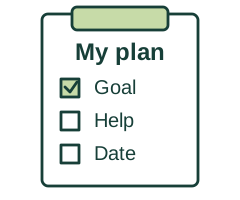
Brief notes can help show what is difficult.
Write down changes in eating, drinking, pain or energy.
Ask your team what needs checking.
Your privacy matters.
Get medical help if you have eaten very little for a long time.
Your team can plan how to increase food safely.
This does not mean you should stop eating while you get advice.
Follow advice about prescribed drinks or tube feeds.
Beat is an eating-disorder charity.
ARFID Awareness UK also has information and resources.
The links below can help you find support.
You can ask someone to help you use them.
What you can do next
Tell your GP what is difficult.
Ask about ARFID and checking your health.
Ask for a plan while you wait for support.
Ask for help with eating Web pageThis link opens another website.
It may use harder words.
More useful links
- Beat: understanding ARFID Web page
Information about ARFID, seeking help and treatment.
- Find eating-disorder support Web page
Search Beat HelpFinder by age and postcode. Check ARFID provision, referral rules and any fees.
- Beat: ARFID peer support Web page
Read current eligibility and joining information for the free online group.
- ARFID Awareness UK Web page
Information and resources for people with ARFID, families and supporters.
- NHS: making meals more supportive Web page
Ideas to adapt the surroundings and routines to the person’s preferences.
- Beat: helping someone with ARFID Web page
Practical ways to offer patient, respectful support.
These links open other websites.
They may use harder words.
ARFID: understanding eating difficulties and getting help
What ARFID is, support in England and practical ways to make eating more manageable.
Children and adults · England · Support should fit the individual
What is ARFID?
Avoidant/restrictive food intake disorder (ARFID) affects how much someone eats, the variety they eat, or both. It can seriously affect nutrition, health or everyday life. The restriction is not driven by wanting to change weight or body shape. ARFID is more than an ordinary food preference. A professional assessment considers the person’s difficulties and their impact.
Three difficulties that can overlap
Sensory difficulties can make a food’s texture, taste, smell, appearance or temperature overwhelming. Fear of choking, vomiting, pain or another upsetting consequence can make eating frightening. Low interest in food, low appetite or difficulty recognising hunger can make eating feel like a task. Someone may experience more than one of these difficulties.
Who can be affected?
Children and adults can have ARFID, at any body size. It may develop gradually or after a distressing experience. Autism and ADHD can occur alongside ARFID, but neither automatically means someone has it. For a person with a learning disability, use their usual communication methods to understand difficulties. Do not dismiss changes in eating as simply part of their disability.
Why help matters
A very limited intake can cause nutritional deficiencies, weight loss or difficulties with growth. Some people need prescribed supplements or tube feeding. Distress around eating may also limit school, work, relationships and social activities. Someone can need assessment without looking thin. Ask for help early; you do not need an existing diagnosis before speaking to the GP.
When to get urgent help
Seek an urgent GP appointment or contact NHS 111 if intake falls sharply, the person cannot keep fluids down, becomes unusually weak, or their health is worsening. Reduced or dark urine and dizziness on standing that does not go away can signal dehydration. Call 999 if they are struggling to breathe, become confused or are difficult to wake. Do not wait for an ARFID referral when someone is acutely unwell.
Ask the GP for a full assessment
Explain what the person can eat and drink, what is difficult, when this started and how daily life is affected. Bring brief notes and a trusted supporter if wanted. Ask about physical health, nutrition and referral to someone with ARFID experience. Request communication support, a quieter appointment or more time if needed. Ask who will monitor health while you wait.
Check pain and swallowing as well
Constipation, reflux, dental pain, medicine effects or swallowing difficulties may contribute to eating problems and need assessment. Medical difficulties and ARFID can occur together. Coughing or choking during meals, a wet or gurgly voice afterwards, food feeling stuck or repeated chest infections need urgent GP or NHS 111 advice. Do not assume fear of choking is only anxiety. Follow any existing swallowing and allergy plans.
NHS support in England
Local pathways differ. Children may be referred to paediatrics, child and adolescent mental health services (CAMHS) or an eating-disorder service. Adults may use eating-disorder or other specialist services. A team might include a doctor, dietitian, psychologist, speech and language therapist or occupational therapist. Ask who coordinates care. If a referral is declined, ask the GP about alternatives and a physical-health monitoring plan.
Treatment should fit the person
Support may combine medical care, nutritional help and adapted psychological therapy. Cognitive behavioural therapy adapted for ARFID (sometimes called CBT-AR), family work and gradual supported practice with foods may be offered. Evidence is still developing and one approach does not suit everyone. Goals should reflect the person’s communication, sensory needs, fears and everyday priorities.
Listen and build trust
Ask what feels difficult and what makes meals easier. Allow time to answer using speech, pictures, signs or a communication device. Avoid force, shame, bargaining for bites or hiding ingredients. Do not make familiar food conditional on tasting something else. Ask permission before discussing eating in front of others. Supporters may need their own advice and encouragement too.
Protect food the person can manage
Keep familiar, accepted foods available while getting help. Removing them to make someone hungry can reduce intake further. People sometimes call these “safe foods”; this means familiar and manageable, not automatically safe for an allergy or swallowing difficulty. Nutrition goals and any supplements should be agreed with the clinical team. Food variety can be a longer-term goal.
Make meals predictable and comfortable
Ask about preferred lighting, noise, seating, company, crockery and presentation. Separate foods if touching is difficult. Some people prefer quiet; others find a chosen distraction helpful. A picture plan, familiar products and agreed backup foods can reduce uncertainty. These are options to explore together, not rules everyone must follow. Keep any necessary eating or swallowing support in place.
Help when hunger is hard to notice
Agree predictable opportunities for food and drink rather than relying only on hunger signals. Visual reminders or a familiar routine may help. Work with a dietitian on timing, amounts and nutrition if intake is limited. Avoid turning reminders into repeated demands. Fluid amounts and textures must fit any existing medical or swallowing advice.
Small steps with unfamiliar foods
A clinician may suggest gradual practice or “food chaining”: exploring foods with similar features to accepted foods. Steps might begin with tolerating a food nearby, looking or smelling, rather than eating it. Agree steps with the person and avoid surprise changes. Ask for help if distress increases. Exposure work must take account of allergies, swallowing safety and past frightening experiences.
Support across school, work and care settings
Agree a simple plan with the person and relevant supporters. Practical examples include access to accepted food, a suitable place to eat, breaks for food and drink, communication aids and a trusted supporter. Record what helps and what increases distress. Share necessary information with agreement, including during respite or hospital stays. Review plans when routines or services change.
Monitor without making meals a test
A brief, factual record can help explain changes: food and drink managed, pain, bowel changes, energy, distress and helpful adjustments. Agree what is useful and respect privacy. The clinical team should decide weight, growth, blood-test and nutrition monitoring. Avoid comments about appearance or labelling foods or days “good” and “bad”. Follow an agreed plan for deterioration.
When nutrition needs specialist support
After prolonged very low intake or significant malnutrition, restarting or increasing nutrition can cause dangerous changes in body salts and fluids, called refeeding syndrome. Seek prompt medical help for an individual feeding and monitoring plan. This is not a reason to withhold food while waiting for advice. Do not attempt a rapid catch-up feeding programme or change prescribed feeds yourself.
Charities, information and peer support
Beat provides eating-disorder information and support. Its HelpFinder directory includes NHS, charity and private services: check age, location, ARFID experience and any fees. Directory inclusion is not an endorsement. ARFID Awareness UK offers information and resources but does not diagnose people. Peer support can reduce isolation; it does not replace a medical assessment or treatment. The links below lead to current information.
Words you could use
“Eating is difficult because … The foods and drinks I can manage are … This affects my life by … Please check my health and nutrition, explain local ARFID support, and agree a plan while I wait.”
More useful links
- Beat: understanding ARFID Web page
Information about ARFID, seeking help and treatment.
- Find eating-disorder support Web page
Search Beat HelpFinder by age and postcode. Check ARFID provision, referral rules and any fees.
- Beat: ARFID peer support Web page
Read current eligibility and joining information for the free online group.
- ARFID Awareness UK Web page
Information and resources for people with ARFID, families and supporters.
- NHS: making meals more supportive Web page
Ideas to adapt the surroundings and routines to the person’s preferences.
- Beat: helping someone with ARFID Web page
Practical ways to offer patient, respectful support.
These links open other websites.
They may use harder words.
Where the information comes from
Links checked 1 November 2026.
These links open other websites.
They may use harder words.
- NHS: eating disorders overview Web page
ARFID, common reasons for restricting food, and asking for help.
- Royal College of Psychiatrists: ARFID Web page
Assessment, co-occurring conditions, individual treatment and the developing evidence.
- Maudsley Centre: ARFID factsheet (PDF) PDF
Specialist NHS overview of difficulties, impacts and multidisciplinary support.
- Beat: ARFID Web page
People of any age and weight, varied referral pathways and treatment support.
- CNTW NHS: supportive mealtimes Web page
Sensory preferences, predictable routines and practical meal adjustments.
- CNTW NHS: parent and carer leaflet (PDF) PDF
Maintaining accepted foods and supporting gradual, low-pressure exploration.
- Beat: how to help someone with ARFID Web page
Listening, preserving trust and avoiding pressure or deception.
- NHS: swallowing problems Web page
Swallowing warning signs, urgent advice and specialist assessment.
- NHS: dehydration Web page
Urgent and emergency signs of dehydration.
- NICE CG32: nutrition support for adults Web page
Specialist assessment, nutrition monitoring and refeeding risk. This is adult nutrition guidance, not an ARFID treatment protocol.
- Beat HelpFinder Web page
Directory scope, service checks and the distinction between a listing and endorsement.
- ARFID Awareness UK Web page
Charity resources and the limits of its role.