Communication & senses · England
Help with sounds, light and other sensations
Your browser or device provides the reading voice.
People notice sounds, light and touch in different ways.
This guide is about finding what feels right for you.
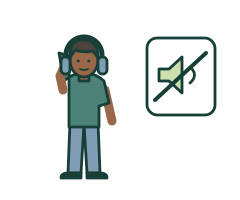
Some sounds may feel too loud.
Some lights may feel too bright.
You may enjoy some sensations and dislike others.

Tell people what feels comfortable if you can.
You may show this through your face, sounds or movements.
People should take time to learn your signals.

Changes to a place may help you.
For example, someone could turn off a noisy television.
You might prefer a quieter time to visit.
Strong smells
Perfume and other strong smells may bother you.
Tell people or show them how you feel.
They should take this seriously.
What you can ask
Please do not wear perfume or aftershave when you support me.
Please use fragrance-free toiletries.
This means products without added fragrance.

Agree a plan
Ask staff to record which smells to avoid.
Ask them to tell new staff before they visit.
Ask for changes if the plan is not working.

Clothes and things made for chewing
Some clothes have no seams or scratchy labels.
You can also find jewellery made for chewing.
Choose what feels right for you.
You can choose whether to try an activity.
People should not force you to touch something.
You can stop or have a break.
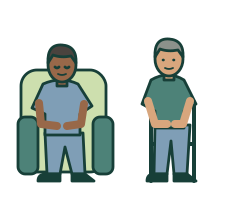
You may need quiet time.
You may need more time to notice what is happening.
What feels right can change from day to day.
Someone can help record what works for you.
This can help other people support you.
Check the information when things change.

Ask for help if sounds, light or touch make everyday life difficult.
An occupational therapist helps people with everyday activities.
They can help find changes that suit you.
Feeling different can sometimes mean you are unwell.
Tell someone or show them in your own way.
Ask for health advice if you are worried.
Make a sensory space at home
A quiet corner may be enough.
You can start with things you already have.
What you can do next
Ask your GP or support team about help.
Explain which activities are difficult for you.
Read about occupational therapy Web pageVideoThis link opens another website.
It may use harder words.
More useful links
Choose what works for you. These are examples of products and information. Shop links show things that cost money. Check the full price, size and return rules.
Clothes without seams or scratchy labels
- Skinnies: seamless adult tops Web pageCosts moneyOnline
Tops with no seams, worn as a layer under clothes. Check the size and ask where any labels are.
- SmartKnit: seamless adult socks Web pageCosts moneyOnline
Socks with no seams and a top without tight elastic. If you wear leg braces, ask which socks suit them.
- Comfa: adult T-shirts with flat seams Web pageCosts moneyOnline
T-shirts with flat seams, a label you can peel off and built-in fidgets. Flat seams are different from having no seams.
Sensory chews and jewellery made for chewing
Choose a product made for chewing. Follow its age and supervision instructions. If you choose a necklace, chew the pendant, not its cord or clasp. Replace a chew as soon as it becomes worn or damaged.
- Chewigem: choosing a chew Web page
A guide to softer and firmer chews. Compare shapes and textures, including necklaces and bangles.
- Chewigem: bangles made for chewing Web pageCosts moneyOnline
Bangles you wear on your wrist. They are an option if you do not like wearing a necklace. Check each product’s size and instructions.
- ARK: adult chew necklaces and safety advice Web pageCosts moneyOnline
Adult chew necklaces and instructions about wear, supervision, cords and clasps. This maker is based in the USA. Check delivery costs.
More information about sensory support
- Joanna Grace: The Sensory Projects Web page
Find her work on sensory differences and inclusion.
- NHS ideas for sensory support Web page
Choose ideas that fit the person.
- NHS England: sensory-friendly resource pack Web pageLonger information
Includes smells from people, cleaning, laundry and food, and ways to adapt surroundings. Written for services.
These links open other websites.
They may use harder words.
Products you can explore
You can look at products on a separate page of this website.
Money earned from these links will help maintain Clearer Support and the My Life My Say app, and provide free advocacy.
Understanding and supporting sensory needs
Plan support for sensory needs, including sounds, light, touch and strong smells. Ask for fragrance-free toiletries and no perfume around you.
Children and adults · England · Practical guidance for people, families and supporters
Start with the person
Sensory processing is how the brain handles information from the senses. This includes movement, balance and signals from inside the body, as well as sight, hearing, touch, smell and taste. A person may seek one sensation and avoid another. Preferences can change with tiredness, health or the situation. A diagnosis does not tell you their individual preferences.
Make a practical sensory profile
Keep a short record of what the person enjoys, avoids or finds tiring, and how they show this. Include situations where they seem comfortable and able to participate. If they do not use speech, learn their signals with people who know them well. Record what you observed separately from what you think it means. Share useful information in line with the person’s wishes and the relevant consent and privacy rules. Review it with the person.
Adapt ordinary places
Possible changes include reducing background television, using a less busy space, allowing familiar clothing, offering a quieter appointment or giving a break. Try one manageable change and observe its effect. Offer headphones only if the person likes and can use them. The aim is access to a valued activity, not making everyone tolerate the same environment.
Strong smells, perfume and toiletries
Tell supporters which smells bother you and what helps. You can ask people supporting you to avoid perfume, aftershave and scented sprays, and to use fragrance-free toiletries when they are with you. Discuss shampoo, deodorant, laundry products and cleaning products too. Record the agreed arrangements so new and visiting staff know before arriving. Sensory discomfort deserves attention without assuming it is an allergy. If you have a diagnosed allergy, asthma or a skin reaction, follow individual clinical advice as well.
Make a fragrance plan work
Be specific: for example, “Please do not wear perfume when supporting me. Please use fragrance-free toiletries.” Ask what products and changes work for you, including in vehicles and shared rooms. Fragrance-free does not mean a product is suitable for every allergy. Agree safe cleaning that meets hygiene needs, rather than covering smells with more scent. Ask the manager to review the arrangements if they are not followed; you should still receive the support you need.
Clothing and things made for chewing
Seams, labels and fabric can affect comfort. Fully seamless clothing is different from clothing with flatter seams. Check the actual garment and offer a choice of styles. See the clothing guide for product examples, wheelchair clothing and bibs. Chew jewellery includes pendants worn on a cord and bangles worn on the wrist. A handheld chew may suit someone who cannot safely use a necklace. Choose a product designed for chewing and match its size, shape and firmness to the person. Follow that product’s age, cleaning and supervision instructions. The cord and clasp are not for chewing. Check regularly and replace at the first sign of wear or damage; no chew is indestructible. Ask an occupational therapist for help choosing, and seek clinical advice about suitability if swallowing or mouth movement is difficult. These products are not a treatment for autism, ADHD or anxiety.
Give time and a genuine choice
Make an invitation rather than placing an object in someone’s hands. Let the person move towards or away from an experience in their own way. Pause and allow processing time. Do not force touch, eye contact or continued exposure to distressing sensations. Some people need fewer competing sensations before they can notice an invitation.
Notice changes in health
New distress or changed responses can reflect pain or illness. Do not assume the cause is sensory. Record what has changed and seek health advice promptly.
Use the right professional support
An occupational therapist can consider how the person’s abilities, surroundings and sensory needs affect everyday activities. Ask the GP or relevant community team about referral; local arrangements vary. If there are possible sight or hearing difficulties, ask about assessment. Check the person’s existing health and support plans before using food, movement or specialist sensory equipment. This page does not prescribe a sensory therapy programme.
Connect support with everyday life
Choose a practical aim, such as making a meal, enjoying music or visiting a friend more comfortably. Plan how to recognise enjoyment, discomfort and a need for rest. Review whether the change helps the person take part. Joanna Grace’s work offers further ideas about sensory inclusion and allowing time for people to engage.
Words you could use
“Please take my sensory needs seriously. These smells, sounds or sensations bother me: … . Please do not wear perfume when supporting me. Let us agree suitable toiletries and other changes.”
More useful links
Choose what works for you. These are examples of products and information. Shop links show things that cost money. Check the full price, size and return rules.
Clothes without seams or scratchy labels
- Skinnies: seamless adult tops Web pageCosts moneyOnline
Tops with no seams, worn as a layer under clothes. Check the size and ask where any labels are.
- SmartKnit: seamless adult socks Web pageCosts moneyOnline
Socks with no seams and a top without tight elastic. If you wear leg braces, ask which socks suit them.
- Comfa: adult T-shirts with flat seams Web pageCosts moneyOnline
T-shirts with flat seams, a label you can peel off and built-in fidgets. Flat seams are different from having no seams.
Sensory chews and jewellery made for chewing
Choose a product made for chewing. Follow its age and supervision instructions. If you choose a necklace, chew the pendant, not its cord or clasp. Replace a chew as soon as it becomes worn or damaged.
- Chewigem: choosing a chew Web page
A guide to softer and firmer chews. Compare shapes and textures, including necklaces and bangles.
- Chewigem: bangles made for chewing Web pageCosts moneyOnline
Bangles you wear on your wrist. They are an option if you do not like wearing a necklace. Check each product’s size and instructions.
- ARK: adult chew necklaces and safety advice Web pageCosts moneyOnline
Adult chew necklaces and instructions about wear, supervision, cords and clasps. This maker is based in the USA. Check delivery costs.
More information about sensory support
- Joanna Grace: The Sensory Projects Web page
Find her work on sensory differences and inclusion.
- NHS ideas for sensory support Web page
Choose ideas that fit the person.
- NHS England: sensory-friendly resource pack Web pageLonger information
Includes smells from people, cleaning, laundry and food, and ways to adapt surroundings. Written for services.
These links open other websites.
They may use harder words.
Products you can explore
You can look at products on a separate page of this website.
Money earned from these links will help maintain Clearer Support and the My Life My Say app, and provide free advocacy.
Where the information comes from
Links checked 5 November 2026.
These links open other websites.
They may use harder words.
- NHS: occupational therapy Web pageVideo
What occupational therapists do and routes to ask for help in England.
- Leicestershire Partnership NHS Trust: supporting sensory processing needs Web page
Individual differences and practical environmental adjustments; local referral details apply to that area.
- Guy’s and St Thomas’: learning disability occupational therapy Web page
How a learning disability team supports meaningful activities and sensory needs. This is a local service example.
- Joanna Grace: Creating a Sensory Invitation, pages 18–19 (PDF) PDF
First-person practice guidance on sensory invitations, processing time and reducing sensory clutter.
- Berkshire Healthcare NHS: signs of deteriorating physical health VideoFuller information
Recognising changes and asking for health advice rather than assuming a sensory cause.
- Skinnies: seamless adult tops Web pageCosts moneyOnline
Tops with no seams, worn as a layer under clothes. Check the size and ask where any labels are.
- SmartKnit: seamless adult socks Web pageCosts moneyOnline
Socks with no seams and a top without tight elastic. If you wear leg braces, ask which socks suit them.
- Comfa: adult T-shirts with flat seams Web pageCosts moneyOnline
T-shirts with flat seams, a label you can peel off and built-in fidgets. Flat seams are different from having no seams.
- Chewigem: choosing a chew Web page
A guide to softer and firmer chews. Compare shapes and textures, including necklaces and bangles.
- Chewigem: bangles made for chewing Web pageCosts moneyOnline
Bangles you wear on your wrist. They are an option if you do not like wearing a necklace. Check each product’s size and instructions.
- ARK: adult chew necklaces and safety advice Web pageCosts moneyOnline
Adult chew necklaces and instructions about wear, supervision, cords and clasps. This maker is based in the USA. Check delivery costs.
- NHS England: sensory-friendly resource pack Web pageLonger information
Includes smells from people, cleaning, laundry and food, and ways to adapt surroundings. Written for services.
- NHS: contact dermatitis causes Web pageLonger information
Distinguishes irritation and allergy; fragrance and other ingredients can affect skin.