Rights & choices · England
Ask your MP for help
Your browser or device provides the reading voice.
MP means Member of Parliament.
Your MP represents the area where you live.

Find and contact your MP
Your MP represents people in your area.
You can ask even if you did not vote for them.

Find your MP using your postcode.
Use Parliament’s official website.

You can phone, email or write to their office.
Staff may speak with you first.

Plan an accessible meeting
You can ask for a meeting.
These meetings are often called surgeries.
They are not medical appointments.

Tell the office how you communicate.
Ask for the help you need.
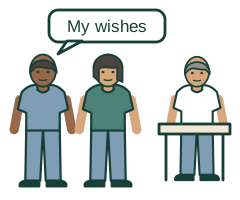
You can ask to bring someone you trust.
Agree how they will help you.

Explain your problem safely
Explain the problem and what you want changed.
Bring the most important letters.

Ask who will see your information.
Agree a safe way to contact you.
What your MP can do
Your MP can ask questions about public services.
They may raise an issue in Parliament.

Your MP cannot change a court’s decision.
You may still need legal advice.
Complaints and appeals have their own deadlines.
Contacting your MP does not stop those deadlines.

Ask what will happen next.
Ask when you should expect an update.
What you can do next
Search using your postcode or location.
The website gives official contact details.
Find your MP Web pageThis link opens another website.
It may use harder words.
More useful links
- UK Parliament: find your MP Web page
Search official contact details using your postcode or location.
- UK Parliament: contact your MP Web page
Find your constituency representative, contact their office and ask about a surgery.
- UK Parliament: who should I contact? Web page
Different roles of MPs, councillors and advice services.
These links open other websites.
They may use harder words.
Contacting your MP: asking for help and having your say
Find your own MP, prepare for a meeting and ask for communication support. Understand what their office can and cannot do.
England
What an MP is
MP means Member of Parliament. Each area, called a constituency, elects one MP to the House of Commons. Your MP represents people living there, including those who support a different political party. You can raise a problem affecting you or suggest a wider change. You do not need to know political words to explain what matters to you.
Find the right office
Use Parliament’s official Find your MP service with your postcode or location. MPs normally take personal casework from their own constituents. Contact the office listed there; you may initially speak with a member of staff. Include your address so the office can check the constituency. If you have no settled address, explain your situation and ask which office can help.
Choose a way to contact them
You can email, write or phone the office. Many MPs hold meetings called surgeries. A surgery is an appointment to discuss a concern, not a medical appointment. Ask how to book and whether it can be in person, by telephone or online. Check the place, length and access arrangements before travelling; do not assume an appointment is open to everyone without booking.
Ask for communication and access support
Explain what helps you take part. You might ask for Easy Read information, one question at a time, extra processing time, a quiet space, step-free access, an interpreter or your communication aid. Ask the office to confirm what it can arrange. You can ask to bring an advocate or trusted supporter. Agree how the MP or staff should speak directly with you and involve your supporter.
Prepare a short request
Explain the problem, its effect on your life, what you have already tried and what you want the MP to do. For example: ask a department to explain a delay, raise a concern about inaccessible services, or consider supporting a policy change. Give relevant reference numbers and key letters through the office’s agreed contact route. Do not include passwords or unnecessary medical or financial records.
What an MP may do
An MP can make enquiries to government departments and officials, ask for an explanation and raise concerns about public services. They may choose to raise a wider issue through parliamentary questions or debates. They can refer eligible government-service complaints to the Public Service Ombudsman. These actions may help, but an MP cannot promise the answer you want or guarantee a response by a particular date.
What needs another route
An MP cannot overturn a court judgment or replace your solicitor. An enquiry does not itself change a benefits, immigration, housing or care decision. Councillors and council teams deal with many local-service matters. Use the relevant complaint, review or appeal route as well, and protect its deadline. Our ombudsman guide explains when MP referral is needed and the exceptions.
Permission and privacy
Ask what information the office needs, who may see it and what consent it needs before contacting another organisation. Supporting another adult does not automatically let you control their case or receive all their information. Discuss a safe way to contact you if messages could put you at risk. If suggesting a campaign, say whether you agree to your personal experience being shared publicly.
At the meeting and afterwards
Take your main questions and the most important papers. Ask for unfamiliar words to be explained. Before finishing, check what the office will do, what you need to do and when to expect an update. Ask for a brief accessible record. If you have not heard back, follow up using the office’s contact details and quote any case reference.
Urgent problems need urgent help
Tell the office about a deadline, loss of essential support or immediate risk, but also contact the service or legal adviser who can act. Do not wait for an MP’s reply during an emergency or while an appeal deadline passes. Call 999 for immediate danger. An MP is not an emergency response service.
Words you could use
“I live in your constituency. I need help with this issue: … Please explain what you can do, the next steps and how you can meet my communication needs.”
More useful links
- UK Parliament: find your MP Web page
Search official contact details using your postcode or location.
- UK Parliament: contact your MP Web page
Find your constituency representative, contact their office and ask about a surgery.
- UK Parliament: who should I contact? Web page
Different roles of MPs, councillors and advice services.
These links open other websites.
They may use harder words.
Where the information comes from
Links checked 1 November 2026.
These links open other websites.
They may use harder words.
- UK Parliament: contact your MP Web page
Find your constituency representative, contact their office and ask about a surgery.
- UK Parliament: who should I contact? Web page
Different roles of MPs, councillors and advice services.
- UK Parliament: when an MP cannot help Web page
Explains the limits of an MP’s role, including court decisions and private disputes.
- Public Service Ombudsman: government complaints Web page
Usual MP referral, complaint stages, deadlines and the Victims’ Code exception.
A page for you to fill in
You can type your answers and download a copy.
You can also print a page to write or draw on.
Someone you trust can help you.