Rights & choices · England
Learning Disability Pride and speaking up together
Your browser or device provides the reading voice.
Learning Disability Pride celebrates people with learning disabilities.
You can choose how you join in.

Learning Disability Pride celebrates people with learning disabilities.
Your life and experiences matter.

You can choose how to join in.
You do not have to attend a big event.

Self-advocacy means speaking up about your own life and rights.
People can work together to make things better.
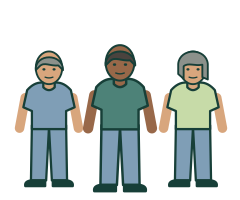
You can look for a local self-advocacy group.
Ask what the group does and who can join.
Connect in the North has organised Pride marches in Leeds.
Grace Eyre has organised Learning Disability Pride parties.
Ask the organisers about current events.

Check event dates with the organiser.
An old event page may no longer be correct.
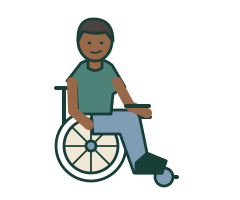
Ask about access, transport and support.
Check costs before you book.
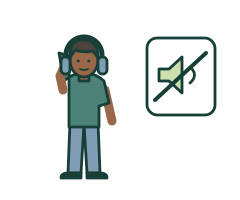
Choose whether a busy or quieter event suits you.
Plan how to ask for help and get home.
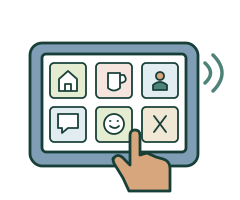
People can contribute without using speech.
Ask for the communication support that works for you.

Choose whether to share your story or photographs.
You can say no.

Self-advocacy groups do not provide every kind of advocacy.
Use our advocacy guides if you need individual help.
What you can do next
Choose the help that works for you.
You can ask someone you trust to help.
Find self-advocacy groups in England Web pageThis link opens another website.
It may use harder words.
More useful links
- Learning Disability England: self-advocacy map Web page
Find groups in England and check current local details directly.
- People First: a user-led self-advocacy organisation Web page
Self-advocacy, accessible information and collective campaigning.
- Learning Disability England: Pride in June 2026 Web page
A dated 2026 campaign blog, not a listing of future events.
- Connect in the North Web page
User-led organisation in Leeds with experience of Learning Disability Pride marches; ask about current plans.
- Grace Eyre: Purple Productions Web page
Events for and by adults with learning disabilities and autistic people. Confirm current dates and access.
- Grace Eyre: what’s on Web page
Current organiser listings; check dates, eligibility, booking and support directly.
These links open other websites.
They may use harder words.
Learning Disability Pride and speaking up together
Celebrate identity, connect with self-advocacy groups and help shape decisions that affect your life.
People with learning disabilities and their chosen supporters · England
What Learning Disability Pride means
Learning Disability Pride celebrates the lives, identities and contributions of people with learning disabilities. It can also challenge exclusion and unfair treatment. You can feel proud of yourself while still wanting more support or changes to services. You do not have to hide difficult experiences or feel positive all the time to belong.
Choose your own way to take part
You might enjoy a small gathering, creative activity, discussion, online event or larger celebration. You can also choose not to take part. Support should make your chosen contribution possible, including for people who do not use speech. Different people prefer different words for themselves; follow their own preferences rather than correcting their identity.
Find self-advocacy groups
Self-advocacy means people speaking up for themselves and working together on issues that affect them. Learning Disability England links to a map of groups in England. People First (Self Advocacy) is a national user-led organisation whose members use the term learning difficulties. Contact a group to check who it welcomes, current activities, access, membership costs and support. A map entry is a starting point, not a promise of a local place.
Speaking up can lead to change
A group may choose to work on transport, healthcare, housing, relationships or local services. Agree which issue matters, what change you want and who can act. You could share a story, ask a question or help write an accessible letter. Ask services how people with learning disabilities are involved from the start and how they will report back on what changes.
Check event dates directly
Learning Disability England published a Pride blog on 9 June 2026 encouraging community-led celebrations throughout June. That describes the 2026 campaign, not a confirmed future event. Local organisers set their own arrangements. Use current organiser information and confirm the date, location, booking rules and accessibility before making plans. Pride is not limited to one official event or one way of celebrating.
Examples of organisers in England
Connect in the North, a user-led organisation in Leeds, published an account of its Learning Disability Pride march on 19 June 2024. Grace Eyre’s Purple Productions team described its Learning Disability Pride party in June 2025, with performance, art and campaigning. These are past examples, not invitations to an upcoming event. Use their official websites to ask about current opportunities. Grace Eyre also links to current events across Brighton, Hove and Sussex; check the details of each listing.
Make participation possible
Ask about travel, accessible information, communication support, toilets, quiet spaces and who can come with you. Agree any support-worker or companion costs in advance. If an event involves speaking publicly, request the questions early and choose the way you want to respond. You can ask to attend without speaking, being photographed or sharing personal experiences. Agree a meeting point, a way to ask for help and the journey home. Choose whether crowds or a quieter event suit you.
Let people lead
Supporters can help with invitations, transport, communication and practical arrangements. People with learning disabilities should choose the priorities and describe what success means to them. Allow time for decisions, notice agreement and refusal, and do not assume a diagnosis means someone cannot choose. Ask whose voices are missing, including people with profound and multiple learning disabilities.
Pride and individual advocacy are different
A self-advocacy group can offer connection and a collective voice, but may not provide individual casework or statutory advocacy. If you need help with a care assessment, complaint, mental health admission or decision about your rights, use the advocacy guides to find the relevant support. Taking part in a celebration does not replace the services you need.
Words you could use
“I would like to join in or speak up about … Please tell me about your group, the access and support available, the costs and how people with learning disabilities lead it.”
More useful links
- Learning Disability England: self-advocacy map Web page
Find groups in England and check current local details directly.
- People First: a user-led self-advocacy organisation Web page
Self-advocacy, accessible information and collective campaigning.
- Learning Disability England: Pride in June 2026 Web page
A dated 2026 campaign blog, not a listing of future events.
- Connect in the North Web page
User-led organisation in Leeds with experience of Learning Disability Pride marches; ask about current plans.
- Grace Eyre: Purple Productions Web page
Events for and by adults with learning disabilities and autistic people. Confirm current dates and access.
- Grace Eyre: what’s on Web page
Current organiser listings; check dates, eligibility, booking and support directly.
These links open other websites.
They may use harder words.
Where the information comes from
Links checked 1 November 2026.
These links open other websites.
They may use harder words.
- Learning Disability England: self-advocacy map Web page
Find groups in England and check current local details directly.
- People First: a user-led self-advocacy organisation Web page
Self-advocacy, accessible information and collective campaigning.
- Learning Disability England: Pride in June 2026 Web page
A dated 2026 campaign blog, not a listing of future events.
- NHS England: involving people with a learning disability Web page
Practical routes for meaningful involvement and links with self-advocacy.
- Learning Disability England: stronger self-advocacy Web page
Connecting groups and sharing evidence and experience.
- Connect in the North: Learning Disability Pride in 2024 Web page
Official account dated 19 June 2024; a past event example.
- Grace Eyre: co-production and the Pride party in 2025 Web page
Official account of Purple Productions and its Learning Disability Pride party.
- Grace Eyre: Purple Productions Web page
Events for and by adults with learning disabilities and autistic people. Confirm current dates and access.
- Grace Eyre: what’s on Web page
Current organiser listings; check dates, eligibility, booking and support directly.