Communication & senses · England
Make your own sensory room or corner
Your browser or device provides the reading voice.
You can make a sensory space at home.
This is a place with things that feel right to you.
You do not need a whole room.

Start with what you like
Think about sounds, light and things you like to touch.
You might want quiet time.
You might want an activity you enjoy.

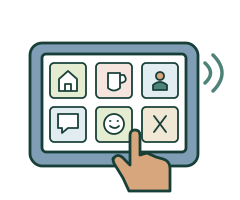
You can use words, pictures or objects to choose.
Your supporter should notice what you like and dislike.
You can say no.
Choose your space
Choose a corner or part of a room.
Use a seat that is comfortable for you.
Leave space to move and get out.
Idea 1: a quiet corner
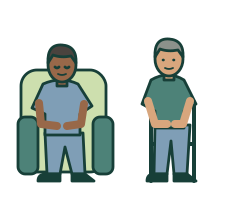
Try a chair, a cushion and a favourite book.
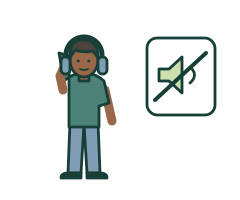
Turn off sounds you do not want.
Choose whether you want someone with you.
You can leave when you want.
Someone should help you leave if you need support.
Nobody should shut you in.
Idea 2: a sensory box
Find a basket or an open box.
Choose 2 or 3 things you already like.
Try a soft flannel, a photo book or a familiar fidget.

Ask someone to check that each item is suitable for you.
Try one thing at a time.
You do not have to touch it.
Idea 3: light and sound
Try daylight or a lamp with a shade.
Choose light that stays steady.
Keep enough light to move safely.
You could play music you like quietly.
You can choose silence instead.
Keep the controls easy to reach or ask for help.
Try a favourite picture or photo book.
You do not need flashing lights or lots of equipment.
Leave out smells you do not want.

Start with what you own
Use things you already have first.
You can ask about borrowing equipment.
Decide how much you want to spend.
Check what is safe for you
Keep the floor and doorway clear.
Keep fabric away from lamps and heaters.
Keep water away from electrical items.

Ask about safe items if you put things in your mouth.
Small loose parts and water beads can be dangerous.
Check items for damage.

Flashing lights can cause seizures for some people.
Ask your epilepsy team if you are unsure about lights.
An occupational therapist helps with everyday activities.
Ask an occupational therapist about weighted blankets or swings.
These items need advice for your own needs.
Do not make your own hanging equipment.
Choose how to stop
Agree how you will ask to stop or get help.
Keep your communication aid nearby if you use one.
People should listen and respond.

Try it and make changes
Write or draw what you liked.
Change things that do not feel right.
You can use the blank plan below.
What you can do next
Choose one small change to try.
Ask someone you choose to help if you want.
Read more about sensory preferences Web pageThis link opens another website.
It may use harder words.
More useful links
- NHS: ideas for a sensory-friendly space Web page
Ideas about light, sound and comfort. This page is written for parents and carers of children.
- National Autistic Society: understand sensory preferences Web page
Find ideas about sensory needs and making a personal sensory box.
- Epilepsy Action: lights and photosensitive epilepsy Web page
Learn about visual triggers and individual epilepsy advice.
- RCOT: guidance about weighted blankets Web page
Information about assessment and safe use for children and adults.
- NHS: getting occupational therapy Web pageVideo
Ask your GP or council about help with activities and equipment.
These links open other websites.
They may use harder words.
Products you can explore
You can look at products on a separate page of this website.
Money earned from these links will help maintain Clearer Support and the My Life My Say app, and provide free advocacy.
Make a DIY sensory room or corner at home
Low-cost ideas for a sensory room, quiet corner or portable sensory box. Start with your preferences, use things you already own and make a simple plan.
Adults and children in England · Personal choices, home ideas and support
Start with the person, not a shopping list
Ask what the person wants from the space: quiet, privacy, time with someone, or an activity they enjoy. Use words, pictures, objects or their usual communication. Notice what they seek out and what they avoid. Adults should be offered styles and interests that suit them. These are home setup ideas, not a prescribed sensory therapy programme.
1. Choose a corner or part of a room
Choose somewhere the person can reach comfortably. Try an existing chair or their usual supported seating. Clear a route for walking or wheelchair access and keep the exit free. Allow room for any support or equipment they already use. A sensory space should be a choice, never a punishment or a place where someone is shut in.
2. Make a simple quiet corner
Start with a comfortable seat, a familiar cushion and a favourite book or picture. Turn off an unwanted television or radio and put distracting items away. An ordinary blanket can be offered if wanted, with the face uncovered and an easy way to remove it. You do not need a tent, a dark room or new furniture. Ask whether the person wants company or a quieter break.
3. Make a portable sensory box
Use a basket or open box. Together, choose two or three familiar items: for example, a soft flannel, a textured cushion cover, a photo book or a sturdy fidget already used safely. Offer one item at a time. Let the person explore or decline it. Keep the box within reach and check items for wear, loose pieces and cleaning needs. The contents can travel between rooms.
4. Choose light, sound and things to look at
Try daylight or a shaded, steady lamp, with enough light to move around safely. Make switches or controls easy to use, or agree how the person can ask for a change. Choose silence or quiet music they like. A small display of favourite photographs can be an alternative to a projector. Start with one effect; a room full of lights and sounds may be uncomfortable.
5. Keep smells and touch optional
Avoid adding perfume, room sprays or scented oils by default. Choose washable textures the person already likes. Do not place objects into someone’s hands or mouth without their agreement and appropriate support. They do not need to tolerate an unpleasant texture to use the space. Preferences may change from day to day.
A starter setup without buying equipment
Example: use an existing chair, one cushion, a photo book and an open box with two familiar objects. Reduce background noise and use the light already available. Try this first. Write down anything missing and set your own spending limit. Borrow or trial suitable equipment where possible before buying. Check size, cleaning instructions and return rules. Expensive bubble tubes and specialist room kits are optional.
Check lights and small items
Flashing lights and strong repeating patterns can trigger seizures in people with photosensitive epilepsy; this does not affect everyone with epilepsy. Choose steady lighting and ask the person’s epilepsy team about individual needs. Avoid loose small fillers or water beads if someone may mouth or swallow them. Water beads can cause choking or an internal blockage. Check that battery compartments are secure and remove damaged items.
Get help with specialist equipment
Ask an appropriately skilled occupational therapist before adding weighted items or equipment involving suspension, movement or positioning. Weighted blankets need an individual assessment covering choice, breathing, temperature and ability to remove them; a weight formula alone is not enough. Never use them to restrain someone. Swings and hanging seats need equipment and fixings suitable for the user and building, installed according to the maker’s instructions. Do not improvise ceiling attachments.
Make it easy to stop, then review
Agree a word, sign, object or button for “stop” and “help”. Keep communication aids available. Follow existing support plans. Keep cables, exits and routes clear; keep fabric away from lamps and heaters and water away from electrical items. Ask what felt good and what should change. Look for enjoyment and comfort, not just whether someone becomes quiet. Stop an activity when it is unwanted or causes distress.
Words you could use
“I want a sensory space that feels right for me. These are the things I like, the things I want to avoid, and how I will ask to stop: …”
More useful links
- NHS: ideas for a sensory-friendly space Web page
Ideas about light, sound and comfort. This page is written for parents and carers of children.
- National Autistic Society: understand sensory preferences Web page
Find ideas about sensory needs and making a personal sensory box.
- Epilepsy Action: lights and photosensitive epilepsy Web page
Learn about visual triggers and individual epilepsy advice.
- RCOT: guidance about weighted blankets Web page
Information about assessment and safe use for children and adults.
- NHS: getting occupational therapy Web pageVideo
Ask your GP or council about help with activities and equipment.
These links open other websites.
They may use harder words.
Products you can explore
You can look at products on a separate page of this website.
Money earned from these links will help maintain Clearer Support and the My Life My Say app, and provide free advocacy.
Where the information comes from
Links checked 6 November 2026.
These links open other websites.
They may use harder words.
- NHS England: sensory-friendly resource pack Web page
Principles about choice, environmental adjustments, light and noise. Written for services; the home examples here are practical adaptations.
- NHS Just One Norfolk: supportive sensory environments Web page
Children’s occupational therapy advice on a quiet space, comfortable items and reducing unwanted stimulation.
- National Autistic Society: sensory processing Web page
Individual preferences, sensory boxes, overload and when to seek occupational therapy advice.
- Epilepsy Action: photosensitive epilepsy Web page
Flashing lights and patterns can trigger seizures in some people with epilepsy.
- RCOT: weighted blankets for children and adults Web page
Individual assessment, ongoing consent, appropriate use and avoiding restraint.
- OPSS: water beads safety alert Web page
Choking and internal blockage risks, including for adults who may put objects in their mouths.
- OPSS: using button and coin batteries Web page
Secure battery compartments and the dangers of swallowed batteries.
- Electrical Safety First: lamps Web page
Stable placement, clear cables, avoiding fabric near lights and keeping indoor lamps dry.
- NHS: occupational therapy Web pageVideo
Support with everyday activities for all ages and how to ask for an assessment.
A page for you to fill in
You can type your answers and download a copy.
You can also print a page to write or draw on.
Someone you trust can help you.