Health · England
Asthma and my inhaler
Your browser or device provides the reading voice.
Asthma can make breathing difficult.
Your own asthma plan tells you what to do.

Ask about breathing problems
Tell your GP about coughing or wheezing.
Other problems can also affect breathing.

Ask for an explanation
Ask what your medicine does.
Ask when you should use it.

Learn your own inhaler
Ask someone to show you.
Ask them to watch you try.

Say if it is difficult
You may need a different device or more support.
Tell the nurse, doctor or pharmacist.

Get an asthma plan
Ask for words or pictures you understand.
The plan should explain everyday care and emergencies.

Keep the plan with you
Share it with people who need to help.
Use the current version.

Check your supplies
Agree who will order and collect inhalers.
Ask about cleaning and replacing equipment.
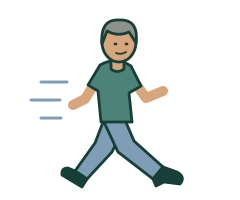
Keep doing things you enjoy
Ask about support for exercise and outings.
Discuss what makes your asthma worse.

Have regular reviews
Ask for a review at least once a year.
Ask sooner if treatment is not helping.

An attack can be an emergency
Follow your emergency plan.
Call 999 if you get worse, have no inhaler, or your planned reliever treatment is not helping.
Get checked after an attack
Ask for an urgent GP appointment.
NHS advice is to be seen within 2 days, even if you feel better.
What you can do next
Ask your asthma team for your own plan.
This guide does not give inhaler doses.
Read about asthma Web pageThis link opens another website.
It may use harder words.
More useful links
- NHS: asthma and treatment Web page
Symptoms, diagnosis, treatment and what to do during an attack. Use your personal action plan.
- NICE: asthma care recommendations Web page
Professional guidance on assessment, device choice, technique, education and reviews.
- NHS: using a salbutamol inhaler Web page
Medicine-specific information. Use only if salbutamol is your prescribed medicine; other inhalers have different instructions.
- NHS England: Ask About Asthma Web page
Resources for children, young people and families, including action plans and inhaler support.
These links open other websites.
They may use harder words.
Asthma, inhalers and getting support — Easy Read
Ask for an asthma plan, an inhaler you can use and support that fits your life.
England · Adults and children · Follow your own asthma prescription and plan
What asthma is
Asthma affects the airways and can cause coughing, wheezing, a tight chest or breathlessness. Symptoms may come and go. Other illnesses can cause similar problems, so ask the GP about assessment rather than diagnosing asthma yourself. Severe difficulty breathing needs emergency help.
Make assessment accessible
Explain how you communicate and what helps you manage appointments. A clinician may arrange breathing tests or other investigations. Ask for a demonstration, time to practise and a way to ask for a break. If a test is difficult, tell the team so it can consider a suitable approach.
Know your own medicines
Inhalers put medicine into the airways. Different inhalers have different jobs. Some are used regularly, some for symptoms, and some do both. Ask the prescriber to explain your exact medicine and instructions. Do not choose a treatment by colour alone or copy another person’s plan. Keep using treatment as prescribed.
Choose a device you can use
Tell the team about difficulties with grip, pressing a canister, breathing in, understanding instructions or tolerating a mouthpiece. Ask the clinician to watch you use the device. NICE says an alternative should be found if someone cannot use a device properly. Support needs should be assessed individually, rather than assuming learning disability makes inhalers impossible.
Ask about spacers and practical teaching
A spacer is a chamber used with some types of inhaler. It is not suitable for every device. Ask whether one is right for your prescription and how it should be used. A pharmacist, nurse or doctor can demonstrate and check your technique. Follow the instructions for your own equipment, including cleaning and replacement.
Get a personal asthma action plan
Ask for the plan in words, pictures or another format you understand. It should identify everyday treatment, signs that asthma is worsening and exactly what to do during an attack. Discuss what you can manage and where support is needed. Keep the current plan available at home, school, work and on outings.
Make support reliable
Agree who orders and collects inhalers, checks supplies and helps with treatment when needed. Supporters should learn the person’s own device and plan. Explain changes to replacement staff and other services, with appropriate permission. If the pharmacy supplies a different device, ask for teaching rather than assuming the technique is the same.
Discuss triggers and keep doing things you enjoy
Smoke, pollution, cold air or particular allergens can worsen asthma for some people. Discuss your own triggers and practical changes with the team. Ask about safe participation in exercise and other activities. An asthma diagnosis is not a reason to stop ordinary opportunities without considering treatment and appropriate support.
Review symptoms and treatment
Arrange an asthma review at least yearly, and seek earlier advice if symptoms disrupt sleep or activities, treatment is not helping or you need your reliever more often. Bring inhalers and the action plan. Ask about technique, unwanted effects and whether the plan needs changing. An annual learning disability health check does not replace asthma follow-up.
During an asthma attack
Follow your own emergency action plan and use your prescribed reliever as directed. Call 999 if you get worse at any time, have no inhaler during an attack, or are not improving after the maximum reliever dose in your plan. Sit upright if able, follow the call handler’s advice and do not drive yourself to hospital.
After an attack
Ask for an urgent GP appointment after an asthma attack, even if you have recovered. NHS advice is to be seen within 2 days. Discuss what happened and any difficulties getting or using treatment. Ask the team to update your plan, arrange necessary training and explain who to contact before the next review.
Words you could use
“Please show me how to use my own inhaler, check that I can use it and give me an asthma plan I understand.”
More useful links
- NHS: asthma and treatment Web page
Symptoms, diagnosis, treatment and what to do during an attack. Use your personal action plan.
- NICE: asthma care recommendations Web page
Professional guidance on assessment, device choice, technique, education and reviews.
- NHS: using a salbutamol inhaler Web page
Medicine-specific information. Use only if salbutamol is your prescribed medicine; other inhalers have different instructions.
- NHS England: Ask About Asthma Web page
Resources for children, young people and families, including action plans and inhaler support.
These links open other websites.
They may use harder words.
Where the information comes from
Links checked 7 November 2026.
These links open other websites.
They may use harder words.
- NHS: asthma Web page
Symptoms, review, attack escalation and follow-up within 2 days.
- BTS, NICE and SIGN: NG245 Web page
Personalised education, device choice, observed technique and action-plan reviews.
- NHS: salbutamol inhalers Web page
Device instructions, spacers, demonstrations and equipment care.
- NHS England: Ask About Asthma Web page
Action plans, inhaler technique, review and environmental triggers.
- NHS England: reasonable adjustments Web page
Accessible appointments, information and communication support.
A page for you to fill in
You can type your answers and download a copy.
You can also print a page to write or draw on.
Someone you trust can help you.