Health · England
Moving more and feeling well
Your browser or device provides the reading voice.
Activity can help you feel good and meet people.
Choose things you enjoy.
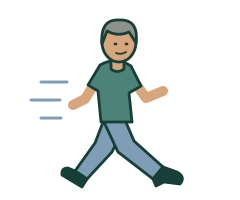
You could dance, walk, wheel, garden or play a game.
Small amounts of activity can help.

Start with what feels manageable.
Build up slowly and take breaks.
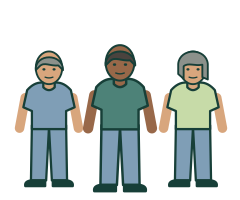
Children and adults need different advice.
Ask what suits your age, body and health.
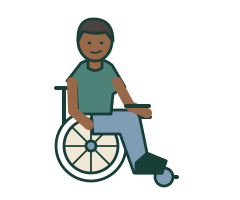
Ask about equipment and support you need.
Activities can be adapted for wheelchair users.
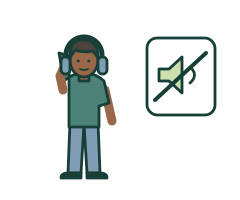
Ask about quiet spaces, clear instructions and familiar support.
Check access, toilets, transport and costs.
parkrun and parkwalk
You can walk at parkrun.
You do not have to run.
parkrun events are free.
Ask the local team about the route and help you need.
Check the route
Ask about slopes, surfaces, toilets and places to rest.
Check that the route works for your wheelchair or other equipment.
Arrange your own support before you go.
Walking and hiking groups
You could try a short group walk.
Ramblers can help you find walks.
Ask how far and how fast the group goes.

Cycling with support
You could try an adapted cycle.
A tandem is a cycle for two people.
Some groups support blind and partially sighted riders.
Ask about a trial, training and costs.

Ask for advice when a health condition affects activity.
Tell someone if you have pain or feel unwell.

Enjoy meals and drinks that suit your needs.
Follow your own medical food or swallowing plan.

Ask for help if you cannot eat enough.
Your body should not be a reason to shame you.

Ask about health checks, sleep and medicine reviews.
Do not wait for a health check with new symptoms.

Agree who will help your activities happen.
Choose something different if it does not suit you.
What you can do next
Ask for the access and support you need.
Your choices and enjoyment matter.
Find an activity you would enjoy Web pageThis link opens another website.
It may use harder words.
More useful links
- Activity Alliance: getting active Web page
Ideas, inclusive opportunities and resources for disabled people.
- GOV.UK: physical activity for disabled adults Web page
Current July 2026 guidance: enjoyable activity, some is beneficial, strength and balance, adult weekly activity aim.
- NHS: physical activity for children and young people Web page
Age-specific guidance, including disabled children and young people aged 5 to 18.
- NHS: activity for wheelchair users Web page
Adapted activities, enjoyment, starting gradually and avoiding upper-body strain.
- BTM: Easy Read park guides in West Yorkshire Web pageEasy Read resources
Guides to parks in Bradford, Halifax, Huddersfield and other West Yorkshire places. Check current access and facilities before visiting.
- parkrun: find an event Web page
Free events for walking, jogging, running and volunteering. Check the individual event’s course and access details.
- parkrun: walking is welcome Web page
Explains walking, the Tail Walker and parkwalker roles.
- parkrun: wheelchairs and wheels policy Web page
Check the rules and discuss course suitability with the local team.
- Ramblers Wellbeing Walks Web page
Find free group walks. Ask the organiser about route details and your access needs.
- Ramblers: walking and hiking groups Web page
Find walks and local groups. Check difficulty, membership rules and any costs.
- Cycling UK: local groups and clubs Web page
Find cycling groups and ask about ride level, access, membership and support.
- Wheels for All: inclusive cycling centres Web page
Find adapted cycling sessions. Equipment, booking, eligibility and charges vary between centres.
- Wheels for Wellbeing Web page
Inclusive cycling guidance and information about its south London sessions. Check booking and costs.
- Tandem Trekkers: blind and partially sighted cycling Web page
West Yorkshire tandem cycling club. Contact the club about induction, current rides, support and costs.
- Charlotte’s Tandems: free cycle loans Web page
Eligible borrowers arrange their own riding partner, collection and return. The charity does not provide rides or pilots.
These links open other websites.
They may use harder words.
Healthy activity: walking, parkrun and inclusive cycling — Easy Read
Find enjoyable activity, practical support and everyday health habits that fit your body and choices.
Children and adults · England · Adapt activity to individual needs
Start with what you enjoy
Being active can mean dancing, walking or wheeling, gardening, swimming, games, an adapted sport or movement to music. It does not have to mean a gym or competition. Ask what feels enjoyable, comfortable and meaningful. Some people prefer quiet activity or familiar company; others want a club or a challenge. Set a goal around their own life, such as joining friends or feeling stronger.
Small steps count
Build up from what the person can manage now, with rests and flexibility. Short periods can add up across the day. Break up long periods of stillness where possible and safe. A person who needs assistance can ask a physiotherapist about suitable supported movement; this is different from someone moving their limbs without training. Fatigue, pain and changing health may mean that plans need adapting.
Understand general activity guidance
For substantial health benefits, current guidance for disabled adults aims towards at least 150 minutes of moderate activity each week, with strength and balance activities on at least two days. Moderate activity makes breathing faster while still allowing conversation. These are population goals, not a pass-or-fail test or an individual prescription. Someone unable to reach them can still benefit from activity that fits their needs.
Children and young people have different guidance
For disabled children and young people aged 5 to 18, NHS guidance suggests aiming for 20 minutes of activity daily, in smaller parts if needed, with manageable strength and balance activities three times a week. Build up gradually and focus on play, enjoyment and inclusion. Younger children and children with complex health needs need age-appropriate individual advice. Do not use adult targets for them.
Make access practical
Before attending, ask about step-free access, accessible toilets or changing facilities, hoists, communication, quiet times and equipment. Explain useful adjustments: a demonstration, shorter instructions, extra time, a familiar supporter or a smaller group. Clarify costs, transport and any support arrangements. If a service says no, ask what individual assessment and adjustments were considered; a diagnosis alone should not replace this discussion.
Include wheelchair users and people with complex needs
Seated exercise, adapted equipment or supported activity may be options. Check that the wheelchair or seat supports the activity and ask for advice if there is pain or strain. Someone with significant movement difficulties may need input from physiotherapy, occupational therapy or the wheelchair service. The person’s signs of comfort, interest or refusal matter. Do not assume that passive movement gives the same fitness effects as active exercise.
Plan around health conditions
Ask the relevant clinician about new or demanding activity where there are concerns about heart or breathing conditions, seizures, diabetes, pain or recent illness. For swimming with epilepsy, agree a suitable safety and support plan. Take prescribed treatment and emergency plans into account. Stop and get advice for unexpected pain, dizziness or unusual breathlessness; a life-threatening emergency needs 999. Individual planning should enable participation wherever possible.
Eat and drink in ways that support health
Support enough nourishment, enjoyable meals and fluids suitable for the person. Help with shopping, cooking or accessible utensils where needed. Unintended weight loss, difficulty eating or concerns about weight deserve an assessment, not blame. A person with swallowing problems, PKU, kidney disease or another specialist diet should follow their own clinical advice. Do not impose generic food swaps, supplements or fluid targets that conflict with it.
Sleep, medicines and prevention also matter
Ask about sleep, pain, mood, constipation, dental health, sight and hearing, and review prescribed medicines when needed. Discuss smoking or alcohol support respectfully if relevant. People aged 14 or over on their GP’s learning disability register can have an annual health check; ask for an accessible health action plan. New symptoms should be assessed when they occur, without waiting for the annual appointment.
Support choice and follow through
Adults should be supported to understand and make their own choices. Do not use food or exercise as punishment, restrict ordinary outings because of a weight target, or insist everyone joins the same activity. Agree the practical support needed and include it in a care review if there is a gap. Notice enjoyment, confidence, energy and participation as well as any health measures. Review together and change what is not working.
Try parkrun or parkwalk
parkrun events are free. At the usual 5 kilometre events, you can walk, jog or run; there is no cut-off time. You can also ask about volunteering or come to watch. Register through parkrun if you want your finish recorded. Contact the local team before your first visit about the route, meeting point, toilets, communication and any supporter joining you. A parkwalker volunteer encourages walkers, but this is not a promise of individual care or a trained guide.
Check a parkrun course for your access needs
parkrun welcomes wheelchair users, but course surfaces, slopes and weather differ. Talk to the event team and decide whether the course suits you and your equipment. Mobility scooters are permitted under parkrun’s wheels policy; handcycles and ordinary bicycles are not. Agree any personal assistance or guiding beforehand rather than assuming it will be provided. Check cancellations before travelling.
Walking groups and hiking
Ramblers Wellbeing Walks offers free group walks, including short routes. The wider Ramblers programme includes longer walks and hikes, with different grades and membership arrangements. Check distance, duration, pace, hills, steps, stiles, surface, toilets and chances to rest. Ask the leader about an easy-access route and whether you can bring your supporter. A short local walk may be a good first visit; a countryside hike needs more preparation.
Get ready for an outdoor group
Ask what clothing, footwear, drinks and equipment fit the route and weather. Arrange transport home and a way to contact someone. Explain relevant support needs, such as clear directions, extra processing time or help managing a health condition. Agree what happens if you need to stop or leave early. A volunteer walk leader does not automatically provide personal care, medication support or one-to-one supervision.
Find cycling groups and adapted cycles
Cycling UK lists local clubs and groups. Wheels for All lists inclusive cycling centres, and Wheels for Wellbeing offers inclusive cycling information and sessions in south London. Some centres have tricycles, handcycles, tandems or other adapted equipment. Ask what is available, whether you need to book, the cost, transfer support, training and whether the route is traffic-free. Ask for an individual trial; having a learning disability does not by itself tell anyone which cycle suits you.
Tandem cycling and sight loss
A tandem lets two people cycle together. The front rider is often called the pilot; the rear rider is sometimes called the stoker. Tandem Trekkers is a West Yorkshire club for blind and partially sighted riders. It asks new riders and pilots to attend an induction, normally on an off-road track. Contact the club about current sessions and arrangements. Discuss communication, pace, mounting and stopping together before a ride.
Borrowing a tandem
Charlotte’s Tandems lends tandems and tag-alongs free to eligible disabled people or people with additional needs who cannot safely ride alone. Availability and suitability must be agreed. You arrange collection and return, and provide your own riding partner: the charity does not supply a pilot, give rides or deliver the cycle. Check how you will transport and store it and what the loan agreement requires.
Healthy eating alongside activity
Our healthy eating guide explains balanced meals, drinks and practical shopping support. Food and activity plans should respect your wishes, culture and health needs. Ask for individual dietary advice where needed, and avoid copying another person’s restricted diet or swallowing plan.
Words you could use
“I want to find activities I enjoy and look after my health. Please help me get the right access, equipment and support, with goals that fit my choices and needs.”
More useful links
- Activity Alliance: getting active Web page
Ideas, inclusive opportunities and resources for disabled people.
- GOV.UK: physical activity for disabled adults Web page
Current July 2026 guidance: enjoyable activity, some is beneficial, strength and balance, adult weekly activity aim.
- NHS: physical activity for children and young people Web page
Age-specific guidance, including disabled children and young people aged 5 to 18.
- NHS: activity for wheelchair users Web page
Adapted activities, enjoyment, starting gradually and avoiding upper-body strain.
- BTM: Easy Read park guides in West Yorkshire Web pageEasy Read resources
Guides to parks in Bradford, Halifax, Huddersfield and other West Yorkshire places. Check current access and facilities before visiting.
- parkrun: find an event Web page
Free events for walking, jogging, running and volunteering. Check the individual event’s course and access details.
- parkrun: walking is welcome Web page
Explains walking, the Tail Walker and parkwalker roles.
- parkrun: wheelchairs and wheels policy Web page
Check the rules and discuss course suitability with the local team.
- Ramblers Wellbeing Walks Web page
Find free group walks. Ask the organiser about route details and your access needs.
- Ramblers: walking and hiking groups Web page
Find walks and local groups. Check difficulty, membership rules and any costs.
- Cycling UK: local groups and clubs Web page
Find cycling groups and ask about ride level, access, membership and support.
- Wheels for All: inclusive cycling centres Web page
Find adapted cycling sessions. Equipment, booking, eligibility and charges vary between centres.
- Wheels for Wellbeing Web page
Inclusive cycling guidance and information about its south London sessions. Check booking and costs.
- Tandem Trekkers: blind and partially sighted cycling Web page
West Yorkshire tandem cycling club. Contact the club about induction, current rides, support and costs.
- Charlotte’s Tandems: free cycle loans Web page
Eligible borrowers arrange their own riding partner, collection and return. The charity does not provide rides or pilots.
These links open other websites.
They may use harder words.
Where the information comes from
Links checked 1 November 2026.
These links open other websites.
They may use harder words.
- GOV.UK: physical activity for disabled adults Web page
Current July 2026 guidance: enjoyable activity, some is beneficial, strength and balance, adult weekly activity aim.
- NHS: physical activity for children and young people Web page
Age-specific guidance, including disabled children and young people aged 5 to 18.
- NHS: activity for wheelchair users Web page
Adapted activities, enjoyment, starting gradually and avoiding upper-body strain.
- NHS: managing weight with a learning disability Web page
Supporting food choices, activity and assessment of both low and high weight.
- NHS: annual health checks and learning disability Web page
Checks from age 14 on the GP learning disability register and accessible health action plans.
- NHS England: reasonable adjustments Web page
Accessible information, communication, time and practical changes to healthcare.
- Activity Alliance: getting active Web page
Ideas, inclusive opportunities and resources for disabled people.
- NHS: the Mental Capacity Act Web pageFuller information
Decision-specific capacity, support to decide, best interests and least restrictive care.
- NHS: epilepsy Web page
Individual safety planning for swimming and sport, and continuing prescribed treatment.
- parkrun: find an event Web page
Free events for walking, jogging, running and volunteering. Check the individual event’s course and access details.
- parkrun: walking is welcome Web page
Explains walking, the Tail Walker and parkwalker roles.
- parkrun: wheelchairs and wheels policy Web page
Check the rules and discuss course suitability with the local team.
- Ramblers Wellbeing Walks Web page
Find free group walks. Ask the organiser about route details and your access needs.
- Ramblers: walking and hiking groups Web page
Find walks and local groups. Check difficulty, membership rules and any costs.
- Cycling UK: local groups and clubs Web page
Find cycling groups and ask about ride level, access, membership and support.
- Wheels for All: inclusive cycling centres Web page
Find adapted cycling sessions. Equipment, booking, eligibility and charges vary between centres.
- Wheels for Wellbeing Web page
Inclusive cycling guidance and information about its south London sessions. Check booking and costs.
- Tandem Trekkers: blind and partially sighted cycling Web page
West Yorkshire tandem cycling club. Contact the club about induction, current rides, support and costs.
- Charlotte’s Tandems: free cycle loans Web page
Eligible borrowers arrange their own riding partner, collection and return. The charity does not provide rides or pilots.
- parkrun: volunteer roles and guiding Web page
Explains parkwalker and VI Guide roles; parkrun does not provide trained or checked guides.
- parkrun magazine: about parkrun Web page
Free participation and different ways to take part.