Conditions & syndromes · England
Understanding Edwards’ syndrome
Your browser or device provides the reading voice.
Edwards’ syndrome is also called trisomy 18.
You can read this with someone you trust.

What it means
Chromosomes carry information that helps the body develop.
With Edwards’ syndrome, there is extra information from chromosome 18.
There are different forms of the condition.

It can cause serious health problems and a shorter life.
Each person is different.
Ask a specialist what it means for this person.

Understanding tests
Screening during pregnancy shows the chance of a condition.
It does not give a definite diagnosis.
Ask the health team to explain the tests and results.
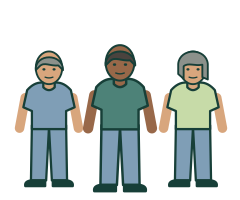
Edwards’ syndrome usually happens by chance.
It is not because a parent did something wrong.
A genetics specialist can answer questions about future pregnancies.

Care and support
You can ask about treatments and their possible effects.
Ask people to explain anything you do not understand.

Support may help with movement, eating, learning and communication.
Notice how the person shows what they need and enjoy.
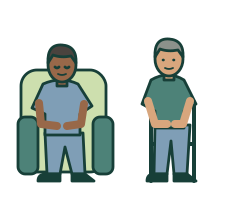
Comfort and enjoyable experiences matter.
Ask for help with pain or distress.

Ask for a written care plan.
Make sure you know who to contact if health changes.
Help for families
Families may need practical and emotional support.
SOFT UK supports families affected by Edwards’ syndrome.
Antenatal Results and Choices can help with pregnancy testing decisions.
What you can do next
Ask about the person’s needs and care choices.
Ask who will coordinate their support.
Visit SOFT UK Web pageThis link opens another website.
It may use harder words.
More useful links
- NHS: Edwards’ syndrome Web page
Types, testing, possible health needs and treatment.
- SOFT UK Web page
Information and support for families affected by trisomy 18 and trisomy 13.
- Antenatal Results and Choices Web page
Independent information and support with pregnancy testing and personal decisions.
These links open other websites.
They may use harder words.
Edwards’ syndrome (trisomy 18)
Understand full, mosaic and partial trisomy 18, testing, individual care and support for families.
Children and adults · England · General information
What the name means
Chromosomes carry genetic information in our cells. Edwards’ syndrome means there is extra genetic material from chromosome 18. In full trisomy 18, there is an extra whole chromosome in all cells. In mosaic trisomy 18, only some cells have the extra chromosome. Partial trisomy 18 means there is an extra part of chromosome 18. The genetics team can explain the particular result.
Testing during pregnancy or after birth
Pregnancy screening estimates the chance of a condition. It does not confirm a diagnosis. NIPT is a blood screening test, not a diagnostic test. The maternity team can explain diagnostic tests, such as chorionic villus sampling or amniocentesis, including their risks and possible results. A chromosome test on a blood sample can confirm a diagnosis after birth. Ask for time and support to understand your choices.
Understand the individual outlook
Edwards’ syndrome can cause serious health problems and a shortened life. Many babies with full trisomy 18 die before birth or in early life. Some people live longer, including into adulthood. Mosaic and partial forms can have different effects. A test result or population statistic cannot predict exactly how long someone will live or what support they will need. Ask the specialist what is known, what remains uncertain and when the care plan will be reviewed.
Coordinate health care
Needs may involve the heart, kidneys, breathing, feeding, movement and development. Ask the specialist team which checks and treatments are appropriate for this person. Discuss the likely benefits and burdens of any proposed surgery or other treatment. Ask who coordinates care, how pain or distress is recognised, and what to do if health changes. A written plan can help different services work together.
Learning, communication and everyday life
Some people need substantial help with learning, communication and daily activities. Needs vary, particularly with mosaic or partial forms. Ask about speech and language therapy, safe eating and drinking, physiotherapy and suitable education or activities. Notice the person’s own ways of showing comfort, interest, pain and choice. Make time for relationships, play, interests and enjoyable experiences alongside appointments.
Comfort and family support
Palliative care focuses on comfort, symptom relief and quality of life. It can be discussed alongside other treatments, according to the individual care plan. Ask about help with pain, practical support and emotional wellbeing. Plans should be discussed sensitively with the person and family as appropriate. SOFT UK offers information and family support during pregnancy, ongoing care and bereavement.
Questions about future pregnancies
The extra chromosome usually arises by chance. It is not caused by a parent doing something wrong. A genetics specialist can explain whether the particular chromosome result has implications for relatives or future pregnancies. Sometimes further family tests are helpful. Do not assume the chance is the same for every family.
Support with information and decisions
Ask for explanations in a form you understand, written questions and time to consider choices. SOFT UK provides information about trisomy 18 and contact with families. Antenatal Results and Choices offers independent information and support before, during and after pregnancy testing. It supports people in making their own decisions. Ask the care team who to contact between appointments.
Words you could use
“Please explain the chromosome result, this person’s needs, and the care choices available. What is uncertain, and who will coordinate support?”
More useful links
- NHS: Edwards’ syndrome Web page
Types, testing, possible health needs and treatment.
- SOFT UK Web page
Information and support for families affected by trisomy 18 and trisomy 13.
- Antenatal Results and Choices Web page
Independent information and support with pregnancy testing and personal decisions.
These links open other websites.
They may use harder words.
Where the information comes from
Links checked 9 November 2026.
These links open other websites.
They may use harder words.
- NHS: Edwards’ syndrome Web page
Types, possible health needs and treatment.
- SOFT UK: what is trisomy 18? Web page
Explanation of full, mosaic and partial trisomy 18.
- SOFT UK: life expectancy and individual variation Web page
Why outcomes vary and individual advice matters.
- SOFT UK Web page
Information and family support.
- NHS Genomics Education: Edwards syndrome Web page
Chromosome patterns, diagnosis, genetic counselling and individual care planning.
- NHS: screening for Down’s, Edwards’ and Patau’s syndromes Web page
The difference between screening, NIPT and diagnostic tests, and informed choices.
- Antenatal Results and Choices Web page
Independent support before, during and after pregnancy testing.