Health · England
Going into hospital
Your browser or device provides the reading voice.
This guide is for people in England.
You can read it with someone you trust.

Prepare your support
Tell the hospital how you communicate.
Ask for information you understand.
Ask for more time if you need it.

Ask about the learning disability nurse.
They can help plan your support.
Ask if a familiar supporter can stay.

Bring your health passport.
It tells staff about you and your care.
Ask them to read it.
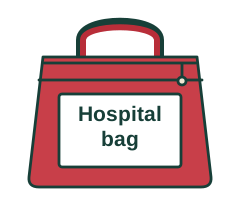
Red Bags and belongings
Some care homes use a Red Bag for hospital transfers.
Ask whether your local service uses one.
It is different from a hospital passport.
The bag carries agreed information and belongings.
Follow local rules about bringing medicines.
Do not delay urgent care if the bag is missing.

Help staff get to know you
You can share photographs of people and activities you enjoy.
You do not have to share photographs.
Tell staff what matters to you.

Agree what information can be displayed by your bed.
Ask permission from other people in photographs.
Follow the ward’s cleaning and safety rules.
Your care and treatment
Tell staff how you show pain.
Explain help needed with food, drinks, moving and communication.
The hospital remains responsible for safe care.

Tell staff what your usual health is like.
Report changes and ask who will check them.
Ask for urgent help if you become more unwell.

Staff should explain your treatment, benefits and risks.
You should get support to make decisions.
A relative does not automatically decide for an adult.

Going home
Ask for a plan for going home.
Check your support, equipment and medicines.
Ask who to contact if something goes wrong.
Check your bag and belongings return with you.
Check updated care and medicine instructions are included.
Agree who checks everything and follows up missing items.
What you can do next
Contact the ward or learning disability nurse.
Ask about your support and any local Red Bag scheme.
Read NHS hospital support guidance Web pageFuller informationThis link opens another website.
It may use harder words.
More useful links
- Health passport example PDF
An Easy Read passport from Leeds Teaching Hospitals. Ask your own hospital how to share it.
- Leaving hospital Web page
NHS information about planning support and medicines at home.
- Red Bag: a current NHS care-home example Web page
Kingston and Richmond’s explanation. Ask your own service about its local pathway.
- NHS England: Red Bag transfer guide PDF
The national guide explains the pathway, information transfer and return with discharge details.
- Helping staff understand the person Web page
NHS suggestions about passports, familiar photographs and objects.
These links open other websites.
They may use harder words.
Getting ready for a hospital stay
Plan hospital support, share what matters to you, ask about Red Bags and prepare for a safe return home.
Hospital care · England · Capacity guidance applies from age 16
Contact the hospital early
For a planned visit, ask how to reach the learning disability liaison nurse or team. Explain what helps the person understand, communicate and feel comfortable. Ask for adjustments such as extra time, accessible information or arrangements for a familiar supporter. Check what is agreed before arrival. An emergency visit may leave less preparation time, but support needs still matter.
Bring useful information
A hospital passport can explain the person's communication, pain signs, sensory needs and everyday support. Keep it current and ask staff to read it. Bring the medicines list, allergies, emergency contacts and relevant care plans. Include swallowing, feeding tube, seizure, mobility and bowel information where relevant. Say which communication device, glasses, hearing aids or familiar objects need to stay within reach.
Ask about the Red Bag hospital transfer scheme
A Red Bag is part of a locally organised hospital transfer pathway, usually for people moving between a care home and hospital. It carries agreed information and belongings with the person. Ask the care home or hospital whether a scheme operates, who can use it and who packs the bag. It is not a national entitlement to a bag, and it is different from a hospital passport or a passport’s red information section. A passport may be included. If no scheme is available, ask how the same essential information will travel securely.
Pack, hand over and return the bag safely
Follow the local checklist: current transfer information, medicine information, relevant care plans and items such as glasses, hearing aids, clothes and toiletries. Actual medicines must follow the local transfer and pharmacy procedure; do not assume every medicine belongs in the bag. Agree who hands it over at each stage and keeps documents private. On discharge, check that updated care and medicine instructions, documents and belongings return with the person. Name who checks the contents on arrival and follows up missing items. A missing bag must not delay urgent assessment or treatment.
Help staff see the person and their life
If you want, share a short description of your interests, relationships and activities alongside your health information. Optional photographs of you enjoying a favourite activity or with important people can help staff understand your life beyond illness. Choose the pictures yourself where possible. Ask about a what-matters board or a short bedside profile, and keep the fuller hospital passport available to staff. Photos are not required to deserve good care, and a board cannot replace reading and acting on the care plan.
Keep photographs and personal information private
Agree what may be displayed openly and what should stay in a private passport or care record. Get appropriate permission from other identifiable people in photographs; consider children’s privacy and anyone who cannot give their own consent. Follow the person’s wishes and the relevant decision-making process if they cannot decide. Avoid exposing addresses, private history or other patients’ information. Ask the ward about safe display, cleaning and infection-control rules. Use copies rather than irreplaceable originals, and agree who removes or returns them when you leave.
Plan daily support
Ask the ward to explain who will help with eating, drinking, personal care, moving and using communication aids. Agree how the person can ask for help, including at night. A supporter can share what is usual and what has changed. Discuss support openly so important needs are recorded and handed over when staff change, rather than relying on someone remembering a conversation. The hospital remains responsible for safe clinical care and for meeting agreed needs. Family photographs, a passport or a supporter being present do not transfer that responsibility. Say clearly when family or paid supporters are unavailable or unable to carry out a task, and ask the ward to record its cover arrangements.
Explain what is usual and report changes
Describe the person’s usual communication, alertness, eating, drinking, mobility, sleep and signs of pain. This usual pattern is sometimes called their baseline. Give specific examples of changes and when they began. Staff should consider new illness rather than assume a change is part of learning disability. Ask who reviews the concern, what action is planned and when you should expect an update. If the person becomes more unwell or concerns remain unanswered, ask the nurse in charge or responsible doctor for urgent review and use the hospital’s escalation process.
Understand treatment and consent
Ask what treatment is proposed, its benefits and risks, and available alternatives. People aged 16 and over must be supported to make the particular decision; a learning disability does not establish lack of capacity. If capacity is lacking for that decision, the appropriate best-interests process is needed. Being a relative or carer does not itself give authority to consent for an adult. Check any relevant attorney or deputy powers, and any valid, applicable advance decision refusing treatment. Ask about advocacy.
Start discharge planning early
Leaving hospital is called discharge. Ask to take part in the assessment of support needed afterwards. With the person's permission, involve family or carers; use the appropriate decision-making process where capacity is lacking. Check transport, equipment, support arrangements, follow-up appointments and who will coordinate them. Explain promptly if proposed help is unavailable or a supporter cannot provide it.
Check medicines and follow-up
Before leaving, ask for an accessible explanation of medicines started, stopped or changed, how to obtain further supplies, and who will answer questions. Ask which symptoms need urgent help and whom to contact if arrangements fail. Check that the GP and relevant community teams will receive the necessary information. Keep the discharge plan with the person’s other health information and arrange help to understand it.
Words you could use
“Please read my passport, record what matters to me and name who will meet my support needs. If we use a Red Bag, please agree its handover and return checks.”
More useful links
- Health passport example PDF
An Easy Read passport from Leeds Teaching Hospitals. Ask your own hospital how to share it.
- Leaving hospital Web page
NHS information about planning support and medicines at home.
- Red Bag: a current NHS care-home example Web page
Kingston and Richmond’s explanation. Ask your own service about its local pathway.
- NHS England: Red Bag transfer guide PDF
The national guide explains the pathway, information transfer and return with discharge details.
- Helping staff understand the person Web page
NHS suggestions about passports, familiar photographs and objects.
These links open other websites.
They may use harder words.
Where the information comes from
Links checked 1 November 2026.
These links open other websites.
They may use harder words.
- NHS: learning disability hospital support Web pageFuller information
Preparation, adjustments, liaison nurses and passports.
- Leeds Teaching Hospitals: health passport PDF
Communication, medicines, feeding, mobility and personal support information.
- NHS: Mental Capacity Act Web pageFuller information
Supporting decisions, capacity and best interests.
- NHS: discharge from hospital Web page
Discharge assessment, care arrangements and medicines.
- Kingston and Richmond NHS: care homes and the Red Bag Web page
Local patient information updated January 2025: purpose, contents and who normally packs it.
- NHS England: Red Bag hospital transfer guide PDF
The pathway, baseline information, discharge summary and bag returning with the person.
- NHS Standards Directory: care-home hospital transfer Web page
Information needed for urgent transfer and links with the Red Bag pathway.
- Hampshire Hospitals: information for carers Web page
Passports, personal information, photographs and familiar objects.
- Imperial Healthcare: what-matters poster Web page
A local example of displaying what matters to a person, not a universal hospital scheme.
- South Tees Hospitals: what to bring Web page
Aids, passports and reassuring familiar photographs.
- NHS England: clinical care for learning disability Web pageProfessional guidance
Individualised care, staff responsibilities and listening to changes from the person’s usual health.
A page for you to fill in
You can type your answers and download a copy.
You can also print a page to write or draw on.
Someone you trust can help you.