Housing · England
Moving home to another council area
Your browser or device provides the reading voice.
This guide is for adults getting council care.
It is about moving between council areas in England.

Tell both councils about the move
Think about where you want to live.
Ask about support in the new area.

Tell your current council you plan to move.
Tell the new council too.

Give your planned address and moving date.
Start planning as early as you can.

Agree workers and assessments
Ask for a named worker in each council.
Choose who you want to help you plan.

Ask the councils to share the information they need.
Ask for copies you can understand.

Ask about an assessment for your new home.
Explain what matters to you in your new home.

Ask how your needs will be met during the move.
There are legal rules to help care continue.

Some arrangements may change.
Ask for the reasons in writing.
Do not assume the same workers or budget will transfer.
Plan moving day and care
Plan who will help during the whole moving day.
Include the journey, arrival and night support.

Check equipment will be ready and safe to use.
Arrange medicines and health care too.

Check costs, payments and care contracts.
Get advice before ending existing support.

Missing support and reviews
Tell both councils if important care is missing.
Ask who will arrange help now.
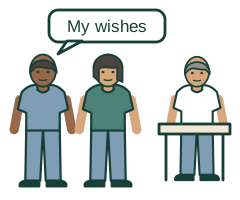
Ask for advocacy if you need help being heard.
Different rules can apply to some moves.
Check the support soon after you move.
Ask for a review if it is not working.
What you can do next
The government guide has more information.
Look for factsheet 9 about moving between areas.
Read about keeping care when moving Web pageFuller informationThis link opens another website.
It may use harder words.
More useful links
- GOV.UK: continuity of care Web pageFuller information
Read factsheet 9 about adults moving between English council areas.
- Find the council for your new home Web pageFuller information
Use the new address to find the relevant council.
- Care Act guidance: moving between areas Web pageFuller information
Fuller statutory guidance. Chapters 19 and 20 explain responsibility and continuity.
These links open other websites.
They may use harder words.
Moving to another council area without a gap in care
Plan an adult social-care move, involve both councils and agree care, equipment and funding arrangements.
Adults receiving council care and support · Moves between council areas in England
Plan the life you want in the new area
Think about your home, relationships, work, activities and the support that makes them possible. Ask for accessible information about local services before committing to a move. You can explore options with someone you choose. Needing support does not remove your right to decide where to live; any capacity concern must relate to the specific decision.
Tell both councils early
If a council meets your adult care needs and you intend to move to another English council area, notify the new council, or ask someone to do this for you. Tell your current council too. Explain the proposed address, date and support needed. The new council must establish that the intention to move is genuine before the statutory continuity process applies.
Ask for named contacts and shared information
Ask each council to name a worker coordinating the move. The current council must share the relevant care and support plan and other required information. Include any continuing carer’s support needs. Agree how your communication passport and necessary health information will be shared securely. Ask for updates in a format you can understand.
Arrange assessment and a new plan
The new council must assess in the qualifying continuity process and take the existing plan into account. Be involved in discussing what will meet your needs in the new home. The new arrangements may use different services. Ask for the plan and reasons for any differences in assessed needs or personal budget before the move.
If arrangements are not finished by moving day
Where the Care Act continuity duty applies and the new council has not completed the required assessment or planning steps, it must meet the needs the previous council was meeting, including relevant continuing carer needs, until those steps are complete. This protects continuity of meeting needs; it does not guarantee the same provider, hours or cash amount forever.
Plan the whole moving day
Agree who provides care before you leave, during the journey and from arrival. Check access to the home, food, personal care, medicines and night support. Record start times and a backup if a worker does not arrive. Moving belongings and furniture also needs a plan; do not assume social-care funding covers every moving expense.
Check equipment and health care
Speak to the equipment service and occupational therapist about what can move, transport, installation and checks in the new property. Do not assume a hoist or other equipment will fit safely. Coordinate GP registration, medicines, community nursing, communication aids and specialist appointments. NHS funding arrangements need their own coordination alongside council care.
Check charges, direct payments and contracts
Ask about the new council’s financial assessment and any proposed contribution. If you employ personal assistants or buy care with direct payments, get advice about contracts, notice and payroll before changing arrangements. Confirm when new payments and services start. Do not end existing arrangements without understanding the consequences and the replacement plan.
Some moves follow different responsibility rules
A council arranging certain care-home, Shared Lives or supported-living accommodation outside its area may remain responsible under ordinary-residence rules. A temporary stay can also differ from a permanent move. Ask both councils which rules apply and why. Children’s services, moves across UK nations, NHS Continuing Healthcare and section 117 aftercare require separate advice and coordination.
Get help if councils disagree or care is missing
A dispute between councils must not interrupt necessary care. Tell both named workers what support is missing and ask who will meet it now. Seek independent advocacy where eligible, use complaints routes and obtain specialist advice promptly if essential support is at risk. Use the local out-of-hours service for urgent social-care problems; call 999 for immediate danger.
Check the plan after moving
Arrange an early review with you and the people you want involved. Check that support arrives, equipment works and important relationships and activities continue. Explain any change in needs and ask for written reasons for changes to support. Keep copies of decisions and contact details, and update everyone if the move is postponed or cancelled.
Words you could use
“I intend to move to your council area. Please confirm the continuity arrangements, named contacts, assessments and support that will be in place throughout my moving day.”
More useful links
- GOV.UK: continuity of care Web pageFuller information
Read factsheet 9 about adults moving between English council areas.
- Find the council for your new home Web pageFuller information
Use the new address to find the relevant council.
- Care Act guidance: moving between areas Web pageFuller information
Fuller statutory guidance. Chapters 19 and 20 explain responsibility and continuity.
These links open other websites.
They may use harder words.
Where the information comes from
Links checked 1 November 2026.
These links open other websites.
They may use harder words.
- Care Act 2014, section 37 Web page
Notification, assessment, information sharing and explanations of changes.
- Care Act 2014, section 38 Web page
Continuing to meet needs if the new council has not finished the required steps.
- Care Act 2014, section 39 Web page
Ordinary-residence rules, including specified accommodation.
- Care Act factsheets: factsheet 9 Web pageFuller information
A public explanation of continuity when moving between English council areas.
- Care and support statutory guidance Web pageFuller information
Chapters 19–21: ordinary residence, move planning, health coordination and disputes.
- Care Act explanatory notes: continuity Web page
Explanation of councils’ duties under sections 37 and 38.
A page for you to fill in
You can type your answers and download a copy.
You can also print a page to write or draw on.
Someone you trust can help you.