Conditions & syndromes · England
Living with cerebral palsy
Your browser or device provides the reading voice.
Cerebral palsy affects how your body moves.
People sometimes call it CP.
This guide is for children, adults and supporters in England.
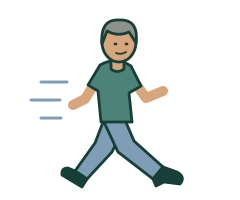
What cerebral palsy is
Cerebral palsy starts when the brain is developing.
It affects movement and muscle control.
It is a lifelong condition.

Everyone is different
Your muscles may feel stiff or tight.
You may have movements you cannot control.
You may find balance difficult.
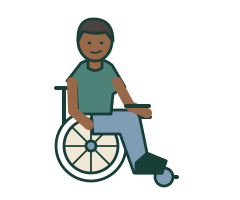
Moving around
Some people walk without help.
Some people use walking aids or a wheelchair.
Choose support that helps you do things you enjoy.

Learning and understanding
Some people with cerebral palsy have a learning disability.
Other people do not.
How you move or speak does not show what you understand.
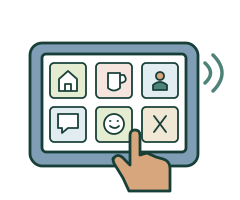
Your way to communicate
You may need more time to speak.
You may use pictures, signs or a communication device.
People should speak to you and listen to your choices.
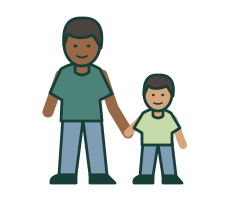
Getting advice for a child
Talk to a health visitor or GP about development concerns.
They can help arrange an assessment.
An assessment checks what support a child may need.

People who can help
A physiotherapist can help with movement.
An occupational therapist can help with everyday tasks.
A speech and language therapist can help with communication and swallowing.
Being comfortable
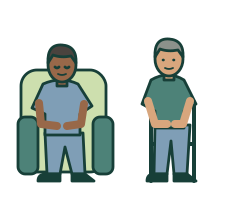
Ask for help with comfortable sitting and moving.
Equipment should fit you.
Tell someone if equipment hurts or stops helping.

Pain and tiredness
Tell someone if you feel sore or very tired.
Ask your health team for help.
You may need breaks or changes to your support.

Eating and drinking
If swallowing becomes difficult, ask for urgent medical help.
This includes new coughing or choking during meals.
Ask for an urgent GP appointment or phone NHS 111.
Follow your own eating and drinking plan.

Other health needs
Some people also have epilepsy or problems with sleep.
Some need help with their bowels, sight or hearing.
Ask for help with changes in your health.

Choosing treatment
Your team may suggest treatment or medicines.
Ask what these could help with.
Ask about risks and possible unwanted effects.

Support can change
Your body and support needs can change over time.
Ask when your next review will happen.
Do not wait for a review if you feel unwell.

Growing up
Young people need a plan for moving to adult services.
Ask who will help you.
Tell them what matters to you.

Getting urgent help
Call 999 if someone cannot breathe.
Call 999 if someone is in immediate danger.
Your life and choices
You can get support and still make choices.
Choose people you trust to help you.
Other people with cerebral palsy may share useful ideas.
What you can do next
The NHS has more information about cerebral palsy.
It uses longer words.
You can ask someone to read it with you.
Read the NHS information Web pageThis link opens another website.
It may use harder words.
More useful links
- UCLH: services for adults with cerebral palsy — Easy Read Web pageEasy Read
Pictures and clear words about UCLH’s adult clinic, appointments and planning support. This describes a particular NHS service.
- Scope: Cerebral Palsy Network Web page
Community support in England and Wales for people aged 18 or over with experience of cerebral palsy, including supporters.
- Scope: ageing and cerebral palsy Web page
Changing physical needs, pain and finding support as an adult.
- NHS: diagnosing cerebral palsy Web page
How children are assessed and who to contact about development concerns.
- UCLH: fatigue and cerebral palsy Web page
Information about tiredness and discussing support with your team. This uses longer text.
These links open other websites.
They may use harder words.
Cerebral palsy and everyday support
Understand cerebral palsy, communication, movement, comfort and support that can change through life.
Children and adults in England · Each person’s needs are different
What cerebral palsy means
Cerebral palsy, often called CP, is a group of lifelong conditions affecting movement, balance and co-ordination. It is linked to how the brain developed or was injured before, during or soon after birth. The exact cause is not always known. The original brain problem does not worsen, but its effects on the body and the support someone needs can change.
Different ways it can affect movement
Some people have stiff, tight muscles; others have movements they cannot control, or difficulties with balance. The main types are called spastic, dyskinetic, ataxic and mixed cerebral palsy. Different parts of the body can be affected. Some people walk independently; others use walking aids or a wheelchair. Ask the team to explain any terms it uses about you.
Understanding and communication
Cerebral palsy does not automatically mean someone has a learning disability. Speech may be slow, unclear or unavailable even when the person understands what is being said. Speak directly to the person, allow time and ask how they prefer to communicate. Speech and language therapy can help explore speech, pictures, signs or a communication device, with training for supporters.
If you are concerned about a child
Speak to the health visitor or GP about movement or development concerns. A specialist assessment may include a developmental history, examination and sometimes scans or other tests. Similar signs can have different causes. A diagnosis can take time; ask what assessment, early support and follow-up are available while the cause is being explored.
Build support around everyday goals
A physiotherapist can advise about movement and suitable activity. An occupational therapist can help with tasks, equipment and changes at home, school or work. A speech and language therapist can help with communication or swallowing. Agree goals that matter to the person, such as comfort, getting out, using a computer or taking part in a favourite activity.
Seating, movement and equipment
Ask for assessment of seating, posture, walking aids, wheelchairs or braces where these could help. Equipment should fit the person and their daily activities. Ask who will check it, maintain it and teach supporters to use it safely. Pain, a change in posture or new difficulty moving needs review. Follow the individual plan for helping someone move.
Pain, tiredness and feelings
Pain and fatigue can affect sleep, concentration, relationships and everyday tasks. Fatigue means strong tiredness or lack of energy; it can vary from day to day. Tell the team about changes and ask about possible causes, including sleep, medicines or other illness. Plan activity and breaks around the person. Ask for emotional support if worries or low mood are affecting life.
Eating, drinking and other health needs
Some people also have epilepsy, constipation, reflux, sleep problems or sight and hearing difficulties. Not everyone has these. For new or worsening swallowing difficulty, or coughing or choking during meals, ask for an urgent GP appointment or contact NHS 111. Tell the team about longer meals, weight loss or repeated chest infections too. Follow an assessed eating and drinking plan; do not copy another person’s food textures or thickened drinks.
Treatment choices
There is currently no cure, but treatment and support can improve comfort and participation. A specialist may discuss medicines, injections or surgery for particular difficulties. Ask what the treatment aims to change, its risks and side effects, and what happens without it. Reducing muscle stiffness can affect how someone stands or transfers, so discuss everyday function as well as symptoms.
Reviews as needs change
Agree how often your care should be reviewed and who to contact between appointments. If you have complex needs, ask whether NICE’s criteria for an annual specialist cerebral palsy review apply to you. This is separate from a GP learning disability annual health check. Seek advice about new or worsening symptoms rather than waiting for a planned review. Call 999 if someone cannot breathe or is in immediate danger.
Growing up and adult life
Plan the move from children’s to adult services in advance. Ask for a named contact, information you understand, an agreed handover and details of who will provide ongoing care. Include the person’s own goals for education, work, relationships and where to live. Support and communication needs should continue to be recognised throughout adult life.
Your choices and community
You can ask for help with activities, access, personal care or equipment while keeping a say in your life. The related guides explain care assessments, adjustments, benefits and employment support. Scope’s Cerebral Palsy Network offers community support in England and Wales for people aged 18 or over with experience of CP, including supporters.
Words you could use
“Please listen to what matters to me and help me review my movement, communication and comfort.”
More useful links
- UCLH: services for adults with cerebral palsy — Easy Read Web pageEasy Read
Pictures and clear words about UCLH’s adult clinic, appointments and planning support. This describes a particular NHS service.
- Scope: Cerebral Palsy Network Web page
Community support in England and Wales for people aged 18 or over with experience of cerebral palsy, including supporters.
- Scope: ageing and cerebral palsy Web page
Changing physical needs, pain and finding support as an adult.
- NHS: diagnosing cerebral palsy Web page
How children are assessed and who to contact about development concerns.
- UCLH: fatigue and cerebral palsy Web page
Information about tiredness and discussing support with your team. This uses longer text.
These links open other websites.
They may use harder words.
Where the information comes from
Links checked 5 November 2026.
These links open other websites.
They may use harder words.
- NHS: cerebral palsy overview Web page
Definition, causes, individual differences and changing effects through life.
- NHS: symptoms and types Web page
Movement patterns and other conditions that may occur alongside cerebral palsy.
- NHS: diagnosis Web page
Assessment, referrals and uncertainty while a child is developing.
- NHS: treatment and support Web page
Therapies, equipment and individual treatment discussions.
- NICE: cerebral palsy in adults, NG119 Web page
Individual reviews, treatment goals, everyday function, pain, swallowing and communication.
- NICE: communication, NG62 Web page
Communication difficulties do not necessarily indicate learning disability; assess and support individual needs.
- NICE: moving to adult services Web page
Planned transition, named contacts and continuity of care.
- UCLH: fatigue management for adults with cerebral palsy Web page
Variable fatigue, possible contributing factors and practical support.
- Scope: ageing and cerebral palsy Web page
Changes in comfort, movement and support as people get older.
- Scope: Cerebral Palsy Network Web page
Who can join and the support available.
- NHS: swallowing problems Web page
Urgent GP or NHS 111 advice for swallowing difficulty or coughing and choking during meals.
A page for you to fill in
You can type your answers and download a copy.
You can also print a page to write or draw on.
Someone you trust can help you.