Everyday life · England
Being a little person
Your browser or device provides the reading voice.
Some people use the words little person or dwarfism.
You can choose the words you prefer.
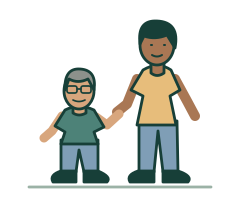
Your own needs and choices
Your height does not show what you understand.
Dwarfism does not automatically mean you have a learning disability.

There are different types of dwarfism.
People need different things.

Ask people to speak directly to you.
Adults should be treated as adults.

Health and communication support
Ask your doctor about your own health needs.
Ask which checks you need and who arranges them.
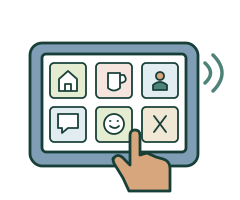
You might also need help with communication or learning.
Ask for information in a way you understand.
Equipment and comfortable spaces
Equipment or changes at home may help you.
Ask about an assessment before buying specialist equipment.
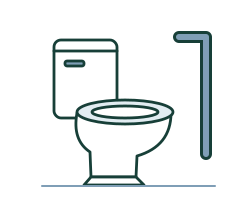
Check whether toilets and taps are easy to reach.
Ask about changes that help you use them.
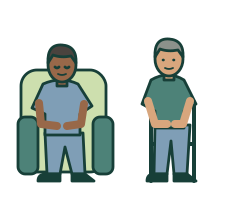
Your chair should fit and support you.
Tell someone if it is uncomfortable.

People should ask before touching or lifting you.
They should follow your agreed support plan.
Travel, work and costs
Explain what help you need when travelling.
Check seats, steps and how to get on safely.
You can ask for changes at school or work.
Your ideas and plans matter.
Ask who pays for equipment and support.
Help with costs is not automatic.
Safety and meeting other people
Tell someone if people bully or frighten you.
You do not have to deal with it alone.
Call 999 for immediate danger.
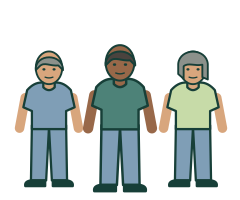
You can meet other people with dwarfism if you want.
Ask about groups, activities or sport you might enjoy.
What you can do next
Choose one thing you want help to do.
Ask what could make it easier.
Find support that suits you Web pageThis link opens another website.
It may use harder words.
More useful links
- Little People UK Web page
Peer support, information and social opportunities for people with dwarfism and families. Check current event arrangements.
- Restricted Growth Association UK Web page
Information, community and support for people affected by restricted growth.
- Dwarf Sports Association UK Web page
Sport, physical activity, community and regional opportunities. Check activity suitability and arrangements.
- NHS: restricted growth Web page
Different causes, assessment, individual health needs and support. NHS review: March 2025.
- NHS: home adaptations Web page
Council home assessments and possible adaptations or funding; assessment is separate from payment decisions.
- National Rail: Passenger Assist Web page
Current ways to request train travel assistance, including help with boarding and changing trains.
These links open other websites.
They may use harder words.
Dwarfism, everyday life and support
Information about restricted growth, identity, practical access, individual health needs and finding community.
Children, adults, families and supporters in England · Dwarfism does not automatically imply a learning disability
Use the words the person prefers
Some people describe themselves as a little person, a dwarf, a person with dwarfism or someone with restricted growth or short stature. Preferences differ: ask rather than deciding for them. Use the person’s name and speak directly to them. Treat adults as adults. Someone does not have to explain their body, represent everyone with dwarfism or accept unwanted attention. Ask before offering physical help, touching, lifting or taking a photograph.
There are many different conditions
Restricted growth can affect the whole body’s growth or affect the proportions of different body parts. Achondroplasia is one condition; it is not another name for every type of dwarfism. Other causes include different bone-growth conditions and some hormone or genetic conditions. Being short alone does not establish a diagnosis. Do not assume two people of a similar height have the same abilities, needs or health risks.
Get health advice for your particular condition
Speak to a GP if a child is not growing as expected or if you have concerns about your health. Assessment may involve a paediatrician or relevant specialist, blood tests, imaging or genetic advice, depending on the situation. Some conditions need follow-up for movement, back or joint problems, hearing or sleep-related breathing difficulties. Ask which checks are relevant to you, who arranges them and what changes need prompt advice. Treatment choices depend on the diagnosis and your goals; there is no single treatment for everyone.
Learning disability and communication are separate needs
Dwarfism does not automatically mean someone has a learning disability, and height does not show a person’s intelligence. Some people have both dwarfism and a learning disability or another condition. Understand each person’s communication and learning needs instead of making assumptions. Offer accessible explanations, pictures, communication aids or extra time where useful. Involve the person in decisions, with a supporter they choose. A communication passport can record what helps without letting physical access needs hide communication needs, or the reverse.
Make your home and everyday tasks accessible
Start with an activity you want to do, such as preparing food or reaching a switch. Ask the council about a home assessment or occupational therapy. Options might include reachable storage, lower work surfaces, suitable controls or equipment for grip and reach. A step stool may suit some people but not others: consider balance, joint needs, stability and the task. Do not improvise by stacking objects. Try equipment with advice before buying and check how it works in your own space.
Check toilets, washing and personal care
A toilet labelled accessible may still have a seat, tap, lock or soap dispenser that is difficult to reach. Explain the actual difficulty and ask about suitable equipment or changes. A supported step, different toilet arrangement, tap adaptation or personal-care aid may help, after individual assessment. Plan privacy and how to ask for help when away from home. Do not assume a child-sized product suits an adult’s body, dignity or support needs. Clothes and fastenings should suit your own style and access needs too.
Choose suitable seating and safe assistance
Check seat height and depth, back and foot support, and access to the table, controls or equipment you use. An occupational therapist or seating service can help where ordinary furniture does not fit. A wheelchair or mobility aid is an individual option, not an inevitable part of dwarfism. If assistance with transfers is needed, it should follow an assessed plan with suitable equipment and trained helpers. A small body is not permission to lift someone unexpectedly or ignore their wishes.
Plan travel around the journey you want
Ask transport providers about boarding, steps, gaps, seats and toilets, describing your needs rather than relying on an accessible label. National Rail’s Passenger Assist can arrange help for train journeys; request the support you need and check the arrangements. For driving or car travel, seat position, reach, controls and safe restraint fit need individual consideration. Ask a specialist driving or vehicle-access service before choosing adaptations. Short stature alone does not decide whether someone can drive; medical, licence and insurance rules still apply.
Ask for access at school, college or work
Discuss practical barriers such as desks, equipment, toilets, lockers, changing rooms, reaching resources or long distances between activities. Education providers and employers have duties to avoid disability discrimination and make reasonable adjustments; the detailed duties differ by setting. Ask for an individual plan, with the person involved, and review it when rooms, tasks or needs change. At work, record agreed adjustments in a passport if helpful. Physical access needs do not automatically mean a pupil needs different academic work or has special educational needs.
Ask how equipment and support will be paid for
The council’s home assessment is free, but that does not mean every adaptation or chosen product is funded. Ask which service will assess, provide, maintain or pay for each item, and get decisions in writing before committing to a purchase. Access to Work may help with eligible additional employment-related support; it does not replace employer adjustment duties. Benefits and grants have their own criteria. Explain what you need and the effects on daily life rather than relying on a diagnosis alone.
Get support with bullying, harassment or hate crime
Staring, intrusive photographs, insults or being treated as a novelty can be upsetting. You do not have to confront someone or educate them. Seek support from a trusted person, school, employer or venue, and keep a record if it is safe. Threats, assault, harassment or other crimes motivated by disability hostility may be hate crimes. Call 999 for immediate danger or a crime in progress; use 101 or police online reporting for non-emergencies. Not every rude act or photograph is automatically a criminal offence.
Find community, interests and sport
Little People UK and the Restricted Growth Association offer information and opportunities to connect with others. Dwarf Sports Association UK supports sport, physical activity and community events. You can also ask ordinary clubs to make activities accessible. Choose what interests you; there is no obligation to join a group or compete. Discuss any condition-specific physical precautions with your own clinician and the activity organiser without imposing a blanket ban. Check age groups, location, support, access, costs and current availability before booking.
Words you could use
“Please ask what I want to do and which words I prefer. Help me identify practical access, communication and health needs without making assumptions about my height.”
More useful links
- Little People UK Web page
Peer support, information and social opportunities for people with dwarfism and families. Check current event arrangements.
- Restricted Growth Association UK Web page
Information, community and support for people affected by restricted growth.
- Dwarf Sports Association UK Web page
Sport, physical activity, community and regional opportunities. Check activity suitability and arrangements.
- NHS: restricted growth Web page
Different causes, assessment, individual health needs and support. NHS review: March 2025.
- NHS: home adaptations Web page
Council home assessments and possible adaptations or funding; assessment is separate from payment decisions.
- National Rail: Passenger Assist Web page
Current ways to request train travel assistance, including help with boarding and changing trains.
These links open other websites.
They may use harder words.
Where the information comes from
Links checked 1 November 2026.
These links open other websites.
They may use harder words.
- NHS: restricted growth Web page
Different causes, assessment, individual health needs and support. NHS review: March 2025.
- Restricted Growth Association: about restricted growth Web page
Different conditions and why short stature should not be equated with a learning disability.
- DSAuk: dwarfism and restricted growth Web page
Different conditions and respecting the language a person prefers.
- Little People UK Web page
Peer support, information and social opportunities for people with dwarfism and families. Check current event arrangements.
- Restricted Growth Association UK Web page
Information, community and support for people affected by restricted growth.
- Dwarf Sports Association UK Web page
Sport, physical activity, community and regional opportunities. Check activity suitability and arrangements.
- NHS: occupational therapy Web pageVideo
Assessment of everyday activities, equipment and ways of doing tasks.
- NHS: home adaptations Web page
Council home assessments and possible adaptations or funding; assessment is separate from payment decisions.
- Little People UK: kitchen access Web page
Examples of access difficulties and equipment ideas. Older product listings are not current purchasing recommendations.
- Little People UK: bathroom access Web page
Practical issues around taps, toilets, bathing and personal care. Equipment must suit the individual.
- HSE: moving and handling in care Web page
Individual assessment, suitable equipment, trained support and respect for autonomy and dignity.
- National Rail: Passenger Assist Web page
Current ways to request train travel assistance, including help with boarding and changing trains.
- RiDC: motoring with restricted growth Web page
General considerations when choosing or adapting a car. The report is from 2016: check current products and arrangements.
- GOV.UK: disability rights in education Web page
Education providers’ discrimination and adjustment duties; school physical-access planning has distinct rules.
- GOV.UK: reasonable adjustments at work Web page
Employer duties, equipment, working arrangements and other possible adjustments.
- GOV.UK: Access to Work Web page
Possible additional employment support, subject to eligibility and assessed need; employer duties remain separate.
- GOV.UK: reasonable adjustments and learning disability Web page
Accessible explanations, appointments and support with decision-making where relevant.
- DSAuk: coaching and activity resources Web page
Sports participation and condition-specific considerations; individual clinical advice is still needed.
- GOV.UK: reporting hate crime Web page
Reporting disability-related hate crime and choosing emergency or non-emergency police routes.
A page for you to fill in
You can type your answers and download a copy.
You can also print a page to write or draw on.
Someone you trust can help you.