Health · England
Going swimming
Your browser or device provides the reading voice.
Swimming can be enjoyable.
Plan the help and access you need.

Choose your swim
You can ask about adult swimming lessons.
Tell the teacher what you want to learn.
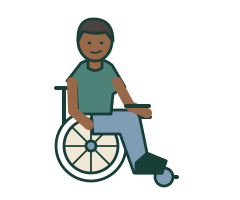
Check access
Ask how you will enter and leave the pool.
Only trained people should operate a hoist.

Plan changing and support
Check the changing room and toilet suit your needs.
Agree who will help you.
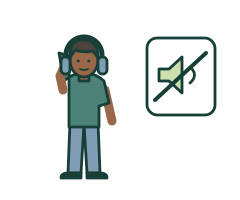
Check sounds and lights
Ask about quieter sessions and what happens in them.
You can ask for a first visit without swimming.

Agree supervision
A lifeguard watches the pool.
You may also need your own agreed support.

Plan for your health
Ask about precautions for a health condition.
If you have epilepsy, agree a swimming safety plan.

Follow pool guidance
Check the water depth and follow staff instructions.
Swimming toys and armbands do not prevent drowning.

Open water is different
Cold water, tides and currents can be dangerous.
Choose a supervised place and do not swim alone.

Get emergency help
At a pool, tell the lifeguard or staff immediately.
For a water emergency, call 999.
Ask for the Coastguard at the coast, or Fire and Rescue inland.
Do not enter the water to rescue someone.
What you can do next
Check your access and support before you go.
Find a pool or swimming session Web pageThis link opens another website.
It may use harder words.
More useful links
- Swim England: Poolfinder Web page
Search for pools, adult lessons and access features; confirm details directly.
- Swim England: swimming with a health condition Web page
Questions to consider for individual health and support needs.
- RNLI: open-water swimming Web page
Preparing for outdoor swimming and recognising extra risks.
- RNLI: Float to Live Web page
A survival skill to learn and practise in a supervised setting.
These links open other websites.
They may use harder words.
Swimming: access, support and water safety
Plan an enjoyable swim, find suitable lessons and understand pool and open-water safety.
Adults · England · Plan access and safety around individual needs
Choose an activity and suitable teaching
You might want to learn to swim, build confidence, swim lengths or enjoy gentle movement in water. Ask about adult lessons with a qualified teacher who can adapt instructions and activities. Discuss group size, one-to-one teaching if needed and any supporter joining you. Swimming skills can be learnt in small steps without rushing or forcing someone into the water.
Check access before travelling
Confirm the entrance, changing space, toilets and how you will get into and out of the pool. If you need a hoist or pool lift, check that it is working and suitable, and who is trained to use it. Agree any sling and moving-and-handling arrangements. Check bookings, costs and supporter access; facilities and companion policies vary.
Make the environment and communication work
Ask about quiet sessions, crowds, music, lighting and water temperature. A session described as sensory may include lights or sounds, so check what it actually offers. Some autistic people prefer predictable routines or a first visit without swimming. Ask for pictures, demonstrations, clear instructions and time to respond. Explain how you communicate discomfort or need help.
Agree supervision and assistance
Tell the provider about support needed in the changing area, on poolside and in the water. Agree who will provide it and how they will stay in contact. Lifeguards watch the pool; their presence does not automatically provide continuous individual supervision, personal care or medication support. Do not start if essential support or an agreed safety arrangement is missing.
Plan around health needs
Where a health condition affects swimming, discuss relevant precautions with your clinician and the provider. Epilepsy does not automatically rule out swimming, but it needs individual advice and an agreed safety plan, including a competent observer and staff who know what to do. Review arrangements after changes in seizures or treatment. Ask about other needs such as breathing difficulties or recent surgery.
Use pool rules and suitable equipment
Check water depth and the safe way to enter and leave. Walk carefully on wet surfaces and follow the teacher’s and lifeguard’s instructions. Use flotation equipment only as advised for the activity and your needs. Armbands, noodles and toys are not lifesaving equipment or a replacement for supervision. Stop and tell staff if you feel unwell, cold or unusually tired.
Treat open water as a different activity
Choose a lifeguarded or appropriately supervised location and go with suitable company. Check weather, water quality warnings, currents, tides, temperature and entry and exit points. At lifeguarded beaches, swim between the red and yellow flags. Enter slowly, never jump straight into cold water. Seek healthcare advice before a first cold-water swim. Follow venue equipment rules and be prepared to cancel.
Know how to get help
At a pool, alert the lifeguard or staff immediately. For a water emergency, call 999: ask for the Coastguard at the coast or Fire and Rescue for inland water. Give the exact location and follow instructions. Do not enter the water to rescue someone. RNLI Float to Live explains what to do if you get into difficulty yourself.
Words you could use
“I would like to swim. Please confirm access, suitable teaching, my support arrangements and what we will do in an emergency.”
More useful links
- Swim England: Poolfinder Web page
Search for pools, adult lessons and access features; confirm details directly.
- Swim England: swimming with a health condition Web page
Questions to consider for individual health and support needs.
- RNLI: open-water swimming Web page
Preparing for outdoor swimming and recognising extra risks.
- RNLI: Float to Live Web page
A survival skill to learn and practise in a supervised setting.
These links open other websites.
They may use harder words.
Where the information comes from
Links checked 9 November 2026.
These links open other websites.
They may use harder words.
- Swim England: Adult Swimming Framework Web page
Adult-centred swimming teaching, individual needs and appropriate risk assessment.
- Swim England: Poolfinder Web page
Adult lessons, sensory sessions and pool-entry access filters.
- Activity Alliance: accessible venues PDF
Check access throughout the visit and obtain useful venue information.
- RYA: hoist safety Web page
Planned transfers, compatible equipment, individual handling arrangements and trained operators.
- RLSS UK: lifeguard supervision arrangements Web page
Pool supervision zones and provider planning; lifeguarding is not personal assistance.
- Swim England: swimming with epilepsy Web page
Individual medical advice, competent observation and communication with pool staff.
- Swim England: swimming with a health condition Web page
Condition-specific planning and access support.
- RNLI: open-water swimming Web page
Lifeguarded beaches, cold-water precautions, weather, tides and emergency planning.
- RLSS UK: safer open-water swimming Web page
Supervised locations, preparation and venue equipment rules.
- RLSS UK: summer water safety Web page
Coastal and inland emergency services and avoiding unsafe rescue attempts.