Health · England
Going to the gym
Your browser or device provides the reading voice.
You can choose activities you enjoy.
Ask for the support you need.

Choose your goals
Think about what you want from the gym.
You do not need to compare yourself with other people.
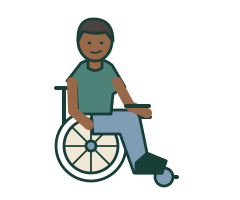
Check the building
Check entrances, toilets and changing rooms.
Ask whether equipment will work for you.

Check costs and support
Ask what you will pay before joining.
Confirm whether your supporter can come with you.

Ask for an introduction
Ask an instructor to show you how equipment works.
Learn how to start and stop it safely.

Practise with help
Ask for clear steps, pictures and extra time.
Tell staff if you are unsure.
Start gently
Choose a manageable amount of activity.
Take breaks and build up gradually.
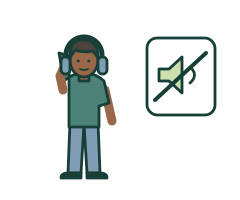
Make the visit comfortable
Ask about quieter times and lighting.
You can ask for a break or leave.

Listen to your body
Stop and tell staff about unexpected pain, dizziness or unusual breathlessness.
Ask for health advice if you are worried.

Emergency chest symptoms
Call 999 for sudden chest pain that does not go away.
Also call 999 if chest pain spreads or comes with sweating, sickness, dizziness or breathlessness.
Stop exercising and tell staff immediately.
What you can do next
Plan a visit and ask for an accessible induction.
Explore inclusive ways to get active Web pageThis link opens another website.
It may use harder words.
More useful links
- Activity Alliance: getting started Web page
Inclusive activity opportunities and support.
- Activity Alliance: leisure factsheets Web page
Access, inclusive equipment and welcoming services.
- NHS: adult physical activity Web page
General activity guidance and adapting effort to health and fitness.
- NHS: chest pain Web page
Symptoms needing emergency help and other medical advice.
These links open other websites.
They may use harder words.
Going to the gym: confidence, access and support
Plan a gym visit, learn how to use equipment and find a comfortable pace with suitable support.
Adults · England · Plan access and safety around individual needs
Start with your own goals
You might want to feel stronger, enjoy movement, meet people or make daily tasks easier. These are valid reasons to use a gym. You do not have to aim for weight loss or compare yourself with other members. Ask about a visit or trial before deciding whether the environment and activities suit you.
Check access, support and costs
Ask about the route through the building, changing rooms, toilets, seating and accessible equipment. Confirm whether a supporter can attend and what they can help with. Check ordinary fees, induction costs, cancellation rules and any companion arrangements before joining. An accessible entrance alone does not show whether you can use the equipment or other facilities.
Book an accessible induction
An induction is an introduction to the gym and its equipment. Ask a qualified fitness instructor to show you how to adjust, start and stop each machine you plan to use, including any emergency stop. Request clear demonstrations, pictures, one step at a time and extra practice. Check who is available if you forget or need help later.
Choose and set up equipment safely
Discuss options that fit your movement, balance, strength and goals. These could include seated exercise, an arm cycle or suitable resistance equipment. Have staff explain safe positioning, settings and technique. Do not copy another person’s weights or improvise an unsafe transfer. Ask for professional advice about complex positioning or moving-and-handling needs. Report damaged equipment and do not use it.
Build up at a manageable pace
Begin with an amount and effort that feel manageable, with rests. Small amounts of activity can still be worthwhile. Agree how to increase activity gradually instead of pushing through to match other people. Allow time to warm up and finish more gently. Keep drinks accessible and follow any individual advice about fluids, medicines or a health condition.
Plan around changing health
You do not need medical clearance simply because you are disabled. Seek appropriate healthcare advice if you have medical concerns, have not exercised for some time or are returning after illness or injury. Stop exercising and tell staff about unexpected pain, dizziness or unusual breathlessness. Sharp or worsening pain, swelling or reduced movement needs assessment rather than encouragement to push through.
Make communication and sensory support practical
Ask about quieter times, background music, bright lights and crowded areas. Some autistic people find a predictable route and the same instructor helpful. Agree how to request a break or end the session. A familiar supporter can help communicate, but should not be expected to provide instruction they are not trained for. Review enjoyment and access as well as fitness goals.
Recognise emergency chest symptoms
Call 999 for sudden chest pain or discomfort that does not go away, pain that spreads to an arm, neck, jaw, stomach or back, or chest pain with sweating, sickness, light-headedness or breathlessness. Stop exercising and alert staff. Chest pain that comes and goes or settles quickly still needs medical advice.
Words you could use
“Please show me the gym, explain equipment clearly and agree activities, adjustments and support that suit my goals.”
More useful links
- Activity Alliance: getting started Web page
Inclusive activity opportunities and support.
- Activity Alliance: leisure factsheets Web page
Access, inclusive equipment and welcoming services.
- NHS: adult physical activity Web page
General activity guidance and adapting effort to health and fitness.
- NHS: chest pain Web page
Symptoms needing emergency help and other medical advice.
These links open other websites.
They may use harder words.
Where the information comes from
Links checked 9 November 2026.
These links open other websites.
They may use harder words.
- Activity Alliance: getting started Web page
Enjoyable activity, personal goals and inclusive opportunities.
- Activity Alliance: accessible venues PDF
Check the whole visit and make access information available.
- Activity Alliance: inclusive equipment PDF
Equipment choices should support disabled people’s access and participation.
- Better: gym inductions Web page
A provider’s explanation of qualified instruction, equipment demonstrations and personalised planning; provision varies.
- NHS: adult physical activity Web page
Appropriate activity intensity and advice when inactive or managing health concerns.
- UK Chief Medical Officers: disabled adults’ activity Web page
Some activity can help; activity and goals should fit individual capabilities.
- Leeds Community Healthcare: return after injury Web page
Gradual return, modifying activity and stopping for sharp or increasing pain.
- NHS: chest pain Web page
Emergency symptom combinations and medical advice for recurring chest pain.