Advocacy · England
Find an advocate or group near me
Your browser or device provides the reading voice.
You can ask for help to speak up.
This page helps you find local organisations.

What help do you want?
An advocate can help you explain your wishes.
Tell them which decision or problem you need help with.
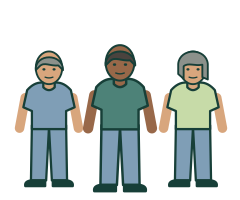
Speaking up together
Self-advocacy groups help people speak up together.
You can meet others and learn about your rights.

Find help in your area
Ask your council which advocacy service covers your area.
You can ask a supporter to help you contact it.

Use the links below
The links help you find local services.
Check what each organisation offers.
Search for a group
Use the self-advocacy map.
Enter your town or postcode.
Ask for help if the map is difficult to use.

Make contact
Say what help you need.
Tell them about any meeting or deadline.
Ask how to request support.
Explain your access needs
Tell them how you communicate.
Ask about access, transport, supporters and any costs.

Your rights still matter
A group does not replace a legal right to an advocate.
Ask which advocacy rules apply to you.

If you cannot get help
Ask why and who else can help.
Tell the council or care team if support is missing.
What you can do next
Use your town or postcode to look for a group.
Check the current details before visiting.
Find a self-advocacy group near you Web pageThis link opens another website.
It may use harder words.
More useful links
- Find your local council Web pageFuller information
Enter your postcode, then ask the council about local advocacy.
- POhWER: in your area Web page
Find local services or ask who can help if your area is not listed.
- The Advocacy People: where we work Web page
Check which services are available in each area.
- Self Advocacy Groups: location search Web page
Search the map by town or postcode; check current arrangements with the group.
- Learning Disability England: help with the map Web page
Information and a contact route for questions about the self-advocacy map.
- People First: member organisations Web page
Find self-advocacy organisations in the People First network.
- NHS: getting an advocate Web page
How advocacy can help and routes for contacting providers.
These links open other websites.
They may use harder words.
Find local advocacy and self-advocacy groups
Find an independent advocate or a self-advocacy group near you, check what it offers and ask for accessible support.
England · Adults and supporters · General information
Choose the help you want
For a decision about care, treatment or a complaint, ask about independent advocacy for that particular issue. For meeting others, building confidence and raising shared concerns, look for a self-advocacy group. Peer advocacy means help from someone with relevant experience in common. These roles can overlap, but a group does not necessarily provide individual casework. The linked guides explain the different types.
Start with your council or care service
Use the GOV.UK postcode finder to reach your council's website. Ask adult social care which organisation currently provides the advocacy you need and how to contact it. You can also ask your social worker, hospital team or NHS complaints service. If you live in a different area from the council arranging your care, explain both locations so the right service can be identified.
Use advocacy providers' area finders
POhWER and The Advocacy People publish lists of the areas and services they cover. Open the relevant area page, then check the type of advocacy and referral route. These organisations do not provide every service in every place. If your area is missing, ask the provider or council who covers it. Local contracts and contact details can change; confirm important information directly.
Find a self-advocacy group
The Self Advocacy Groups website has a location search and map. Enter your town or postcode and adjust the distance if needed. Learning Disability England links to this map and can help with questions about it. People First also lists member organisations. A missing result does not prove there is no group nearby. Ask Learning Disability England, the council or a local learning disability organisation about other options.
Make the first contact
Say where you live, what help you want and any meeting or deadline. Ask whether you can refer yourself or whether someone else must make the referral. Request another contact method if the online form or telephone is difficult. Agree how the service will contact you safely. Ask what information is needed before sharing private records; do not send passwords or bank security details.
Check that the support fits you
Ask about communication support, pictures, signing, interpreters, quiet spaces, accessible toilets, transport and online meetings. For a group, check who can attend, whether a supporter can come and any membership or activity costs. For an advocate, agree what they will do, what is outside their role, confidentiality and any charge before starting. Statutory advocacy is free to the person receiving it; other services vary.
Keep your rights to individual advocacy
Statutory advocacy means support required by law when its conditions are met. Care Act, mental capacity, mental health and NHS complaints advocacy have different rules. Joining a self-advocacy group does not remove those duties. Ask the responsible council or NHS service to consider the correct route. If an advocate is needed for a court or benefit problem, also check whether a solicitor or specialist adviser is required.
If you cannot find help
Ask for the reason if a service refuses your referral and who can review it. Explain urgent dates and ask the organisation responsible for your care or decision to help resolve the gap. Do not assume a legal deadline or meeting has been postponed. The linked advocacy-problems guide explains follow-up and complaints. You can ask for a different approach if the support does not represent your wishes.
Words you could use
“I live in … I need help with … My meeting or deadline is … Please explain which advocacy service can help and how I can contact it.”
More useful links
- Find your local council Web pageFuller information
Enter your postcode, then ask the council about local advocacy.
- POhWER: in your area Web page
Find local services or ask who can help if your area is not listed.
- The Advocacy People: where we work Web page
Check which services are available in each area.
- Self Advocacy Groups: location search Web page
Search the map by town or postcode; check current arrangements with the group.
- Learning Disability England: help with the map Web page
Information and a contact route for questions about the self-advocacy map.
- People First: member organisations Web page
Find self-advocacy organisations in the People First network.
- NHS: getting an advocate Web page
How advocacy can help and routes for contacting providers.
These links open other websites.
They may use harder words.
Where the information comes from
Links checked 9 November 2026.
These links open other websites.
They may use harder words.
- NHS: getting an advocate Web page
Independent advocacy and council or self-referral routes.
- GOV.UK: local council finder Web pageFuller information
Official council lookup by postcode.
- POhWER: local services Web page
Area-specific services and help finding other organisations.
- The Advocacy People: services Web page
Different advocacy services depend on local commissioning.
- Self Advocacy Groups Web page
Location search, group information and Learning Disability England contact details.
- Learning Disability England: self-advocacy map Web page
The map's purpose, partnerships and help route.
- People First: our members Web page
Additional self-advocacy network directory.
- POhWER: community advocacy Web page
Free independent services, local eligibility and referral routes.