Everyday life · England
Visiting museums and art galleries
Your browser or device provides the reading voice.
Museums and galleries have many things to explore.
You can choose what you want to see.

Choose something that interests you.
You do not need to be an expert.
Some places are free.
Some exhibitions and activities cost money.
Ask about companion tickets.

Check opening times and booking rules.
You may need to book even when entry is free.
Check the entrance, rooms, lifts and toilets.
Ask about the facilities you need.
Ask about noise, lights and quieter times.
A picture guide can show what to expect.

Ask for information you can understand.
Tell staff how you communicate.

Ask before touching objects or taking photographs.
Some objects are made for touching.
Take breaks when you want.
You can skip rooms or leave early.
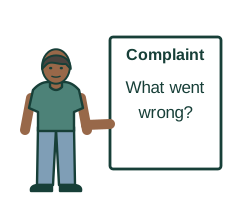
Tell staff if something stops you enjoying the visit.
Ask for help or an explanation.
What you can do next
This example is for the National Gallery in London.
Check the place you want to visit.
See a gallery access guide Web pageThis link opens another website.
It may use harder words.
More useful links
- National Gallery: access Web page
A London example: booking, companion tickets, visual stories, seating and accessible events.
- London Museum Docklands: access Web page
A London example: sensory maps, quiet sessions, lifts, toilets and communication support.
- RAF Museum London: access Web page
A London example: step-free routes, seating, tactile models and accessible information.
These links open other websites.
They may use harder words.
Visiting museums and art galleries
Choose what interests you, check access and costs, and enjoy a museum or gallery at your own pace.
Adults · England · General information
Choose your own interests
Museums may show local history, science, transport or objects from different cultures. Art galleries show paintings, photographs, sculpture and other art. Look at pictures online or ask what is on. Choose what interests you and who, if anyone, you want with you. You do not need to know about art or read every label to enjoy a visit.
Check tickets and costs
Some collections are free, while other museums charge for entry. Special exhibitions, tours and events may have separate charges. Free entry can still involve booking a time slot. Check opening times, ticket rules and any companion ticket before paying. For example, the National Gallery has free general admission and charges for some exhibitions. Check the actual place and activity you choose.
Plan the route and facilities
Ask for a map or access guide. Check the journey, entrance and route to the rooms you want, including steps, lifts and uneven floors. Ask where to find seats and toilets. If you need a Changing Places toilet, check its equipment and availability. Confirm important facilities shortly before travelling and ask what happens if a lift is unavailable.
Make the sensory environment work for you
Ask about noise, crowds, lighting and moving displays. A sensory map or visual story can show what to expect. Some places offer quiet or relaxed sessions, but ask what changes and whether booking is needed. Check where you can take a quiet break. Bring sensory aids you choose, and discuss any access needs with staff.
Ask for information you can use
Ask about plain-language or Easy Read information, large print, audio description, captions, hearing loops or British Sign Language. Some venues offer supported tours or objects designed for touch. Check availability, booking and any ordinary tour charges. Tell staff how you communicate and allow time for questions. Supporters should help you understand and express your own views.
Check touching and photography rules
Some objects and artworks must not be touched because this can damage them. Other displays are designed to be handled. Ask staff which objects you can touch and whether a handling session or touch tour is available. Check signs before taking photographs; rules can differ between rooms and exhibitions. Ask staff to explain any unclear rule.
Take the visit at your pace
Choose a few things to see and leave time for sitting down. Ask about benches, folding stools or other seating. You can skip a room, change your plan or leave when you want. If you want to go outside and return, check the ticket arrangements first. A short visit can still be enjoyable.
If access arrangements do not work
Ask staff or the duty manager for the change you need, such as a seat, clearer information or a different route. Venues must make reasonable adjustments for disability-related barriers; what is reasonable depends on the circumstances. Required adjustments must not cost you extra. Ask for reasons if help is refused and keep booking details and replies. The linked complaints and consumer guides explain next steps.
Words you could use
“I want to see … I need … Please confirm the tickets, route, toilets, seating and support available for my visit.”
More useful links
- National Gallery: access Web page
A London example: booking, companion tickets, visual stories, seating and accessible events.
- London Museum Docklands: access Web page
A London example: sensory maps, quiet sessions, lifts, toilets and communication support.
- RAF Museum London: access Web page
A London example: step-free routes, seating, tactile models and accessible information.
These links open other websites.
They may use harder words.
Where the information comes from
Links checked 9 November 2026.
These links open other websites.
They may use harder words.
- National Gallery: access Web page
A London example: booking, companion tickets, visual stories, seating and accessible events.
- London Museum Docklands: access Web page
A London example: sensory maps, quiet sessions, lifts, toilets and communication support.
- RAF Museum London: access Web page
A London example: step-free routes, seating, tactile models and accessible information.
- National Gallery: visitor admissions policy Web page
Collection admission, exhibition charges and rules about touching and photography.
- GOV.UK: reasonable adjustments for services Web page
Disability-related barriers, reasonable changes and the rule against charging for required adjustments.