Health · England
Getting help if someone is worse
Your browser or device provides the reading voice.
Hospital staff need to know if someone is getting worse.
You can speak up.
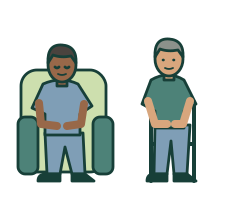
Look for changes in the person's usual health.
They may breathe differently or be harder to wake.
They may show pain without words.

Tell a nurse or doctor straight away.
Explain what is different.
Say: I am worried they are getting worse.

Ask staff to check what is wrong.
New symptoms need attention.
They must not be dismissed because someone has a learning disability.

Ask staff to follow your care plans.
Check who will help with meals, drinks, medicines and moving.
Tell staff about pain or problems with your skin or toilet needs.

If you remain worried, ask for the nurse in charge.
Ask for an urgent review by a doctor.
Ask how to get another team to review the person.
Some hospitals have a service called Martha's Rule.
It helps people ask for an urgent review.
Ask staff if it is available here and how to use it.
PALS can help with hospital concerns.
They can explain how to complain.
Do not wait for a complaint response if someone needs urgent care.

If someone dies, you can ask questions about their care.
Ask the bereavement team about the medical examiner.
Ask for support to understand what happens next.

LeDeR reviews care after someone dies.
The review helps services learn.
It does not replace a complaint or investigation.
What you can do next
Ask the ward how to get urgent help.
Ask for this information in a way you understand.
Understand Martha’s Rule Web pageThis link opens another website.
It may use harder words.
More useful links
- Signs of worsening health VideoFuller information
NHS guidance on recognising and explaining changes.
- PALS and complaints Web page
How to find help with NHS concerns and complaints.
- LeDeR information Web page
What learning reviews do and how they differ from investigations.
These links open other websites.
They may use harder words.
Safer hospital care and concerns after a death
Spotting changes, raising urgent concerns and understanding routes for questions and learning after a death.
Hospital safety · England · Local urgent review routes vary
Notice changes and act
A person may show illness through changed breathing, alertness, eating, drinking, movement or behaviour. Pain may appear without words. Tell staff promptly what is different from usual. Explain what worries you and ask for assessment. These steps can reduce risk, but cannot prevent every serious illness or death.
Do not let symptoms be overlooked
Diagnostic overshadowing means mistaking a health symptom for part of someone’s disability. New or unusual symptoms need assessment. Share the person’s pain signals. Ask what could be causing the change, who will review it and when. Note what you reported and the response.
Prevent avoidable harm day to day
Ask ward staff to record and follow the person’s current swallowing, feeding and medicines plans, including medicines that must be given on time. Check who will support eating, drinking, communication and personal care. Ask staff to assess poor intake, bowel changes, pain and skin problems promptly. Agree safe movement, repositioning and pressure care suited to the person. Record necessary adjustments and ensure they are shared when staff change. These measures support safer care but cannot prevent every harm.
Ask for an urgent review
If someone is worsening in hospital, alert ward staff immediately. If concerns remain unanswered, ask the nurse in charge or doctor for urgent review. Ask whether Martha's Rule is available and how to use the local number. It provides a route to a rapid review by a different team when deterioration concerns are not being addressed. Implementation continues and coverage varies by hospital and department: do not assume every setting has the same service.
Keep urgent help separate from complaints
Do not wait for a complaints response when someone needs urgent clinical attention. The hospital's Patient Advice and Liaison Service, or PALS, can help with concerns and explain the formal complaints process and independent complaints advocacy. Keep names, dates and the questions you want answered. Ask for accessible explanations and support to take part in discussions.
Questions after someone dies
Ask the hospital bereavement team how to contact the medical examiner service. Medical examiners can discuss the cause of death and hear concerns about care. Raise serious concerns promptly. Some deaths are referred to a coroner, who decides whether further investigation or an inquest is needed; an inquest is not automatic after every hospital death. Ask what each process will address and how the family can contribute. Ask for explanations in ordinary language and someone to support you, including accessible bereavement support for a person with learning disabilities.
Learning through LeDeR
LeDeR means learning from the lives and deaths of people with a learning disability and autistic people. Its reviews look at relevant health and social care and identify improvements. The NHS England information explains reporting and review arrangements. A LeDeR review is not a complaint, investigation or substitute for those processes. Ask about the right reporting route as well as any separate concerns about care.
Words you could use
“This is different from the person's usual health. I am worried they are getting worse. Please arrange an urgent clinical review.”
More useful links
- Signs of worsening health VideoFuller information
NHS guidance on recognising and explaining changes.
- PALS and complaints Web page
How to find help with NHS concerns and complaints.
- LeDeR information Web page
What learning reviews do and how they differ from investigations.
These links open other websites.
They may use harder words.
Where the information comes from
Links checked 27 October 2026.
These links open other websites.
They may use harder words.
- Berkshire Healthcare: deteriorating health VideoFuller information
Changes, pain, diagnostic overshadowing and communicating concerns.
- NHS England: Martha’s Rule Web page
Urgent review purpose and local implementation limits.
- NHS: PALS Web page
Concerns, complaints and independent support.
- UCLH: bereavement and medical examiners Web page
Medical examiner questions and coroner referrals; local contact details apply to UCLH only.
- NHS England: LeDeR Web page
Learning reviews are separate from investigations and complaints.
- NICE: nutrition support for adults Web page
Assessment and individual nutrition support in hospital and community care.
- NHS Specialist Pharmacy Service: time-critical medicines Web page
Identifying medicines for which delays can cause harm.
- Chelsea and Westminster Hospital NHS: preventing pressure ulcers Web page
Individual skin assessment, movement and pressure care.
- NHS: constipation Web page
Recognising constipation and seeking help.
- NHS England: hospital care for people with a learning disability and autistic people Web pageProfessional guidance
Reasonable adjustments, communication and joined-up clinical care.