Care & support · England
Using a support agency
Your browser or device provides the reading voice.
An agency can arrange people to support you at home.
Ask what the agency will do before you agree.

Choose the service
Some agencies manage your support.
Others only introduce you to a worker.
Ask who is responsible for each job.

Check the provider
Some personal-care services must register with CQC.
Shopping or companionship alone has different rules.
Ask which rules apply.

Explain good support
Tell the agency what matters to you.
Ask for workers who understand your communication and support needs.

Plan visits and cover
Agree when workers will come.
Ask what happens if someone is late or absent.
Keep contact details where you can find them.

Check all costs
Ask who pays for the support.
Read the agreement with help if you want.
Check extra charges and cancellation rules.

Your choices matter
Staff should ask before giving care.
They should help you understand and make decisions.
Signing a contract does not mean agreeing to everything.

Respect your home
Agree how staff use keys, rooms and devices.
Your belongings and personal information need protection.

Check how things are going
Talk about safe ways to give your support.
Ask for changes when something is not working.
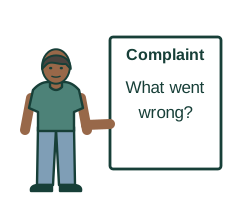
Get help with problems
Tell the manager what went wrong.
You can get help to complain.
Plan replacement care before ending support you need.
What you can do next
Use the worksheet to compare agencies.
Ask someone you choose to help if you want.
Find care-service reports Web pageThis link opens another website.
It may use harder words.
More useful links
- NHS: help at home from a paid carer Web page
Choosing homecare, questions for agencies, visit arrangements and respectful support.
- CQC: find care services Web page
Find regulated services and read the dates and findings of their inspection reports.
- Acas: employment status Web page
Work arrangements and the actual relationship determine status; a contract label is not enough.
- Ombudsman: adult social care complaints Web page
Complaints about council and privately arranged care, usually after the local complaints process.
- CQC: complaining about adult social care Web page
Provider and council complaints; CQC receives concerns but does not take individual complaints forward.
These links open other websites.
They may use harder words.
Using an agency for support in your own home
Choose an agency, check responsibilities and costs, and agree support that respects your choices and home.
Adults · England · Support arranged privately, through direct payments or by a council or NHS body
Know which service you are buying
A managed homecare service organises and manages support. The provider usually employs its workers but may use staff supplied by another agency. An introductory agency finds workers without managing their ongoing care; you may become the employer. Ask who employs, pays, supervises and insures workers, and who arranges training and cover. Calling a worker self-employed does not settle their legal status. Get employment advice if responsibilities are unclear.
Check regulation and the actual service
Providers carrying on regulated personal care must register with CQC unless an exemption applies. Personal care includes help with washing or dressing; some prompting and supervision also counts. Companionship or shopping support alone does not require personal-care registration. Check the correct provider and branch, report dates and findings. Ask CQC if registration is unclear. Registration or a good rating does not guarantee a service will meet your particular needs.
Choose workers who can support your life
Explain what you want help with and what you want to do yourself. Include communication, culture, sensory needs, relationships and activities. Ask how workers are selected, checked, trained and supervised. Discuss any personal-care preferences. Staff need competence for your actual tasks, including medicines or moving and handling where relevant. Ask to meet proposed workers and agree an introduction. Use the support-staff job description guide to describe what matters to you.
Agree visits, familiar staff and cover
Record visit times, length, tasks and any support that must happen at a particular time. Ask how the agency keeps a familiar team, tells you about staff changes and shares necessary information with replacements. Agree who contacts you about lateness, who responds to a missed visit and who provides sickness or holiday cover. Keep daytime and out-of-hours contacts. Do not assume family will provide unpaid backup.
Confirm funding and who holds the contract
You can pay privately or ask the council about assessment and funded support. Direct payments can buy agreed agency support; council-arranged care is another option. NHS-funded arrangements have their own rules. Ask who signs the contract, pays invoices, approves changes and reviews the service. Check the agency’s quote against your agreed plan and funding before committing. Ask the funder for a review if the budget cannot meet agreed needs.
Understand the written costs and terms
Ask for an accessible written agreement before support starts, with help to read it if wanted. Check hourly or session charges, minimum bookings, travel charges, evenings, weekends and bank holidays. Ask whether assessments, introductions or trial visits cost money. Check cancellation charges, hospital absences, notice periods, price increases and how missed or shortened visits are billed. Confirm what is included and any extra charges; keep your copy of the agreement.
Consent is part of every visit
Staff should explain proposed support in a way you understand and check your ongoing consent. You can ask questions, change your mind or say no to particular help. A learning disability does not itself mean you cannot decide. If you lack capacity for a particular decision, staff must follow the Mental Capacity Act, involve you and consider your wishes and best interests. A signed care contract is not blanket consent to every intervention.
Set boundaries in your own home
Agree how staff knock, identify themselves and use keys or entry codes. Discuss private rooms, belongings, work devices and where records are kept. Necessary records must be stored and shared securely. Buying support does not by itself give an agency the right to take over rooms or change your housing agreement. Ask about any proposed change before it happens. The linked home-rights guides explain boundaries and requests to carry out checks.
Plan safe support and review how it works
Discuss risks, suitable equipment and training together. Your choices matter, and the provider must also protect you and its workers from harm. Ask for the specific reason behind a safety requirement and whether a less intrusive option would work. Agree an early review and how to report changing needs. Staff should not carry out tasks beyond their competence. Ask the provider and funder to resolve problems before essential support is affected.
Raise concerns and plan changes carefully
Tell the provider what happened and what you want changed. You can also complain to the council or NHS body that arranged the care. The Local Government and Social Care Ombudsman can consider council and privately arranged adult social care complaints, usually after local complaint handling. NHS complaints use the relevant NHS route. CQC uses concerns to regulate services; it does not resolve your individual complaint. Ask for advocacy if helpful. Before changing provider, agree notice, funding and a safe handover. If essential care is missing, use the backup plan and seek urgent help from the provider or funder.
Words you could use
“Please explain who is responsible for my support, who will visit, all charges, the backup plan and how my choices will be respected.”
More useful links
- NHS: help at home from a paid carer Web page
Choosing homecare, questions for agencies, visit arrangements and respectful support.
- CQC: find care services Web page
Find regulated services and read the dates and findings of their inspection reports.
- Acas: employment status Web page
Work arrangements and the actual relationship determine status; a contract label is not enough.
- Ombudsman: adult social care complaints Web page
Complaints about council and privately arranged care, usually after the local complaints process.
- CQC: complaining about adult social care Web page
Provider and council complaints; CQC receives concerns but does not take individual complaints forward.
These links open other websites.
They may use harder words.
Where the information comes from
Links checked 9 November 2026.
These links open other websites.
They may use harder words.
- CQC: managed care and introductory agencies Web page
Different agency roles and when ongoing management of personal care requires registration.
- CQC: personal care registration Web page
The activity provided determines registration; social support alone and some individual arrangements are outside this regulated activity.
- CQC: personal care definitions Web page
Physical assistance and the circumstances in which prompting and supervision count as personal care.
- Acas: employment status Web page
Work arrangements and the actual relationship determine status; a contract label is not enough.
- GOV.UK: employing someone in your home Web page
Employer responsibilities when directly employing a carer or personal assistant.
- NHS: help at home from a paid carer Web page
Choosing homecare, questions for agencies, visit arrangements and respectful support.
- CQC: find care services Web page
Find regulated services and read the dates and findings of their inspection reports.
- NHS: personal budgets and direct payments Web page
Ways to arrange agreed support, including council-managed care and direct payments.
- Care and support statutory guidance Web pageFuller information
Chapters 10–13: involvement, sufficient personal budgets, direct payments and reviewing support.
- CQC: person-centred care Web page
Planning care with the person, preferences, communication and regular review.
- CQC: staffing Web page
Enough competent staff, induction, individual training, supervision and emergency cover.
- CQC: fees, contracts and terms Web page
Written information about charges and contract terms for people paying all or part of the provider’s costs.
- CQC: consent to care Web page
Ongoing consent, accessible explanations, capacity and safe care.
- CQC: dignity and respect Web page
Privacy, autonomy, preferences and personal care.
- CQC: governance and records Web page
Secure records, feedback and managing risks.
- HSE: care in people’s own homes Web page
Safety responsibilities and assessing the actual care activities and working arrangements.
- CQC: complaining about adult social care Web page
Provider and council complaints; CQC receives concerns but does not take individual complaints forward.
- Ombudsman: adult social care complaints Web page
Complaints about council and privately arranged care, usually after the local complaints process.
A page for you to fill in
You can type your answers and download a copy.
You can also print a page to write or draw on.
Someone you trust can help you.