Health · England
Getting help with sleep
Your browser or device provides the reading voice.
Sleep affects how you feel during the day.
Support should fit your age, needs and choices.

Notice sleep problems
Tell someone if your sleep has changed.
You may feel tired or find daily activities harder.

Insomnia means regular problems getting to sleep or staying asleep.
Tell someone how this affects your day.

Autism, ADHD and some syndromes can affect sleep.
This does not explain every sleep problem.
Ask a clinician to look for other causes too.
Look for causes and patterns
Pain, seizures or medicines can affect sleep.
Stomach acid coming back up can disturb sleep too.
Ask for help to find the cause.
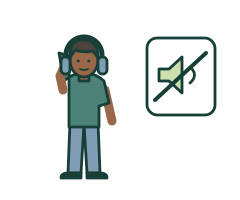
Think about light, noise, temperature and comfort.
Choose changes that work for you.
A sleep diary can help you notice patterns.
Write roughly when you sleep and wake.
Do not wait to finish a diary before getting help.
Ask for medical advice
Tell a doctor about gasping or breathing pauses during sleep.
Tell them if you are very sleepy during the day.

Ask for an appointment you can understand.
Take someone you choose if this helps.
Children need advice suited to their own age and health.
Do not give them someone else’s sleeping medicine.

Ask a doctor before taking medicine to help you sleep.
Do not change prescribed medicines on your own.

Night support and your choices
Adults can make choices about their evenings.
Staff shifts should not decide everyone’s bedtime.

Agree how support happens during the night.
Ask for a review if care keeps waking you.
Night-time support can be tiring for families too.
Ask about backup support and breaks.

Urgent help and reviews
Call 999 if someone cannot be woken.
Call 999 for severe difficulty breathing.
Agree what will change and when to check again.
Tell the health team if the plan is not helping.
What you can do next
Use the sleep worksheet if it helps.
Ask your GP about sleep problems affecting your life.
Read NHS information about sleep problems VideoFuller informationThis link opens another website.
It may use harder words.
More useful links
- NHS: sleep problems VideoFuller information
Ideas to discuss and videos about sleep. Adapt them to the person.
- NHS: insomnia Web pageFuller information
Persistent sleep difficulties, possible causes and help from a GP.
- NHS: sleep apnoea Web pageFuller information
Breathing problems in sleep, assessment and treatments.
- Learning disability nurses Web pageFuller information
How learning disability nurses can help and ways to contact local teams.
- NHS Autism Central: sleep Web page
Sensory needs, anxiety, ADHD and other health conditions can affect sleep.
- NHS England: sleep apnoea and learning disability Web page
Higher risk, including Down syndrome, assessment and adaptations to treatment.
These links open other websites.
They may use harder words.
Sleep: understanding changes and getting individual support
Understand insomnia, related health conditions and breathing problems, and agree support that fits your needs and choices.
Children and adults · England · Individual sleep assessment
What has changed?
Insomnia means regular difficulty getting to sleep or staying asleep, often affecting how someone feels or functions during the day. Sleep difficulties can also involve waking earlier than wanted or excessive daytime sleepiness. Compare with this person’s usual pattern, age and needs. Different people need different amounts of sleep. Look at comfort, energy and participation instead of deciding everyone must follow the same hours.
Consider health and discomfort
Pain, constipation, needing the toilet, reflux, menopause symptoms, breathing problems and some medicines can disturb sleep. Seizures can happen during sleep; ask the epilepsy team about unusual night events or a change in pattern. Poor sleep may also accompany anxiety, depression or changes in memory. Tell a clinician about new symptoms. Do not assume waking is deliberate or caused only by learning disability, autism or a known syndrome.
Linked conditions do not explain every sleep problem
Angelman syndrome can involve frequent waking or different sleep needs. Autism and ADHD may affect settling, sensory comfort or routines. Down syndrome and Prader-Willi syndrome are associated with sleep difficulties, including sleep apnoea. These are reasons for informed assessment, not a prediction about every person. A new problem may still have a treatable cause such as pain, reflux, seizures or medicine effects.
Adapt help for children and young people
Discuss persistent sleep problems with the GP, health visitor or community paediatric team as appropriate. Describe the child’s sleep, daytime wellbeing, breathing, health conditions and support needs. Ask for an individual plan and consider the impact on siblings and carers. Specialist advice may be needed before sleep medicines such as melatonin are considered. Do not give an adult’s sleep treatment to a child or copy another family’s prescription.
Explore the day and the surroundings
Ask about noise, light, temperature, bedding, positioning, worries and changes in daily routines. Check whether support visits or housemates disturb sleep. A calm wind-down, comfortable room and a reasonably consistent routine may help. Discuss drinks containing caffeine, alcohol and screen use sensitively. Choose changes with the person, accounting for sensory needs, mobility, health and the activities they value.
Use a simple sleep record
If helpful, record when the person went to bed, roughly when sleep started, waking episodes, getting-up time and daytime sleep. Add what happened beforehand, discomfort, medicines already prescribed and how the next day felt. Approximate observations are useful; constant monitoring is not needed just to fill a diary. Agree privacy and who will see it. Do not delay an assessment while trying to complete a perfect record.
Watch for breathing problems in sleep
Loud snoring, repeated gasping or choking noises, witnessed pauses in breathing and persistent daytime sleepiness can be signs of sleep apnoea. Ask a GP about these signs even if they have been present for a long time. A sleep clinic may arrange overnight monitoring, often at home. Describing observations helps; supporters should not diagnose sleep apnoea themselves. People with Down syndrome may be particularly at risk. Do not dismiss sleepiness, changes in concentration or loss of skills without considering sleep and other health causes.
Ask for an assessment that works for you
Contact a GP if sleep difficulties persist, practical changes have not helped, or tiredness affects everyday life. Explain your communication and sensory needs and bring a chosen supporter or diary if helpful. Ask whether the community learning disability team can help with an individual plan. A GP may consider underlying illness, adapted psychological support or referral to a sleep service. Psychological treatment for insomnia may include cognitive behavioural therapy, which helps address thoughts and habits affecting sleep. Ask how it can be adapted to communication, understanding and sensory needs.
Be careful with sleep medicines
Ask a doctor or pharmacist before using a sleep aid, including a product bought without a prescription. Some medicines cause drowsiness or disturb sleep; sleeping tablets can worsen sleep apnoea. Do not change prescribed medicine on your own. If medicine is proposed, ask why it is needed, what effects to watch for and when it will be reviewed. Specialist advice may be needed for someone with a learning disability.
Support sleep without taking away ordinary choices
Agree a plan based on the person’s health, wishes and circumstances. An adult wanting an evening out is not automatically a sleep problem. Staff shifts should not decide everyone’s bedtime. Review necessary overnight care, positioning, continence help or checks with the clinical and support team so essential care and rest are both considered. Do not remove necessary treatment or safety checks without an agreed review.
Adapt specialist treatment
Some people with sleep apnoea are offered a machine and mask called CPAP to help keep their airway open. Ask the sleep team for help if a mask, noise or routine is difficult, and use communication support or gradual familiarisation where appropriate. Do not alter settings or abandon treatment without discussing the problem. Other sleep treatments should also be explained and adapted to the individual.
Include family and overnight supporters
Repeated night waking can affect other people’s sleep and the safety of care. Explain the impact at a support review and ask about realistic backup or breaks. Agree who will respond at night, how concerns are handed over and what happens if the usual supporter is too tired to provide safe care. The person’s own comfort, privacy and preferred relationships remain central.
Know when to seek urgent help
Get urgent medical advice for a sudden major change, new concerning symptoms or a person who seems unwell. Call NHS 111 if you need urgent help and are unsure what to do. Call 999 if someone is unresponsive or has severe difficulty breathing. This is different from asking a GP to investigate a recurring pattern of snoring or breathing pauses during sleep.
Words you could use
“My sleep has changed and this is affecting my day. Please help us look for the cause, agree adjustments and explain when to seek further help.”
More useful links
- NHS: sleep problems VideoFuller information
Ideas to discuss and videos about sleep. Adapt them to the person.
- NHS: insomnia Web pageFuller information
Persistent sleep difficulties, possible causes and help from a GP.
- NHS: sleep apnoea Web pageFuller information
Breathing problems in sleep, assessment and treatments.
- Learning disability nurses Web pageFuller information
How learning disability nurses can help and ways to contact local teams.
- NHS Autism Central: sleep Web page
Sensory needs, anxiety, ADHD and other health conditions can affect sleep.
- NHS England: sleep apnoea and learning disability Web page
Higher risk, including Down syndrome, assessment and adaptations to treatment.
These links open other websites.
They may use harder words.
Where the information comes from
Links checked 1 November 2026.
These links open other websites.
They may use harder words.
- NHS: sleep problems VideoFuller information
Individual sleep needs, daytime effects, environment and routines.
- NHS: insomnia Web pageFuller information
Causes, assessment, psychological support and caution with sleep aids.
- NHS: sleep apnoea Web pageFuller information
Signs, overnight assessment, CPAP and medicines that may worsen breathing.
- NICE NG11: recommendations Web pageProfessional guidance
Individual assessment and specialist input for persistent sleep problems in people with learning disabilities whose behaviour challenges.
- Berkshire Healthcare NHS: deteriorating physical health VideoFuller information
Sleep changes and other signs of illness should prompt appropriate advice.
- Challenging Behaviour Foundation: learning disability nurses Web pageFuller information
Community learning disability nursing support can include sleep and other health needs.
- NHS: support when going into hospital Web pageFuller information
Adjustments, communication and time to understand health care.
- NHS: shortness of breath Web pageFuller information
Severe breathing difficulty needs emergency help.
- London Ambulance Service: when to call 999 Web pageFuller information
Emergency help for unconsciousness and other life-threatening events.
- NHS: Angelman syndrome Web page
Sleep difficulties and seizures can occur, and sleep patterns can change with age.
- NHS: Prader-Willi syndrome symptoms Web page
Daytime sleepiness, disturbed nights and sleep apnoea.
- NHS Autism Central: sleep Web page
Sensory needs, anxiety, ADHD and other health conditions can affect sleep.
- NHS England: sleep apnoea and learning disability Web page
Higher risk, including Down syndrome, assessment and adaptations to treatment.
- NHS: ADHD in children and young people Web page
Individual support and specialist initiation and monitoring of medicines, including sleep treatment.
- Epilepsy Action: seizures during sleep Web page
Sleep and seizures can affect each other; seek individual epilepsy assessment and risk advice.
A page for you to fill in
You can type your answers and download a copy.
You can also print a page to write or draw on.
Someone you trust can help you.