Health · England
Sitting comfortably and looking after your body
Your browser or device provides the reading voice.
Your chair should help you feel comfortable.
It should help you do things you enjoy.

Posture means how your body is positioned.
Some people need help to sit or lie comfortably.

Tell someone if your chair hurts or feels wrong.
You can show this using sounds, movements or pictures.
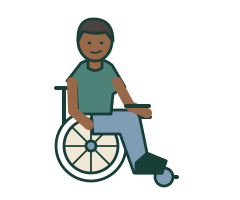
Ask for a seating assessment.
A therapist checks what support and equipment you need.

Tell the therapist what you want to do.
This could include eating, talking, working or going out.

Pressure can damage your skin.
Ask your team how to check and protect it.

Tell a clinician about sores or lasting skin changes.
Get urgent advice for swelling, pus, fever or worsening pain.

Use equipment as your own professional plan says.
Do not copy someone else’s positions or settings.

Some people need a special belt for safe sitting.
Ask the team to show how to use it.
Belts must not keep you still for staff convenience.
Ask for a review if equipment restricts your movement.

Your plan should work at home and other places.
Ask who repairs your equipment and checks it again.
What you can do next
Use the worksheet to prepare for your assessment.
Ask for a review when your needs change.
Ask about seating and postural care Web pageThis link opens another website.
It may use harder words.
More useful links
- GOV.UK: postural care and learning disabilities Web page
Individual care across the day and night, equipment, training and effects on health and participation.
- NHS: pressure ulcers Web page
Skin changes, pressure damage, prevention and when to seek urgent help.
- Dorset HealthCare NHS: safe use of belts and harnesses Web page
Assessed, fitted postural supports; checks and the difference from vehicle restraints.
These links open other websites.
They may use harder words.
Comfortable seating and postural care
Ask for seating that supports comfort, skin health, communication and the things you want to do.
Children and adults · England · Individual assessment and equipment advice
What postural care means
Posture means how your body is positioned. Postural care considers sitting, lying, standing where appropriate, movement and rest across the whole day and night. People who cannot easily change position may need extra support. The aim is comfortable participation and protection of health, including body shape, breathing and skin. A chair that looks tidy is not necessarily comfortable or suitable.
Notice when a review is needed
Ask for help if the person is slipping, leaning more, rubbing against supports, showing pain, developing skin marks or finding eating, reaching or communication harder. Changes in growth, weight, muscle stiffness, fatigue, movement or health can change what equipment is needed. Listen to the person’s own words, facial expressions, sounds and movements. Do not describe distress in a chair simply as challenging behaviour.
How to ask for assessment
Contact the GP, community learning disability team or the existing occupational therapist or physiotherapist. A wheelchair user can also contact their wheelchair service. Explain what has changed and how it affects everyday life. Ask which team assesses specialist seating, whether a referral is needed and who coordinates the result. Children may need their community paediatric therapy service. Local referral and equipment funding arrangements vary.
What to take to the appointment
Explain what the person wants to do: eat with others, use a communication aid, watch a performance, reach a table or rest without pain. Describe their usual chair, bed, transport and daily routines. Bring current equipment details and plans if available. Ask the team to consider movement, skin, breathing, swallowing, transfers, sensory needs and fatigue together. A trial may help establish whether proposed equipment works in real life.
Pressure care needs its own plan
Pressure ulcers are damage to skin and underlying tissue caused by pressure or rubbing. A clinician can assess risk and advise on suitable seating, cushions, skin checks and changes of position. The timing and method must fit the individual; a cushion does not remove the need for an agreed plan. Ask how supporters should protect privacy, recognise discomfort and record concerns. Do not massage a damaged or discoloured pressure area.
Skin changes and urgent help
Contact a GP if a pressure ulcer is suspected. Early changes include a persistent red, purple or blue patch, unusual warmth, hardness or pain; colour changes can be harder to notice on darker skin. Seek an urgent GP appointment or NHS 111 advice for a sore with hot or swollen skin, pus, fever, or severe or worsening pain. Do not wait for the next seating appointment.
Belts, harnesses and consent
A professionally assessed postural belt can help someone remain safely positioned. An unsuitable or incorrectly fitted belt can cause serious harm. Ask the prescribing service to demonstrate checks, fitting and release for this person. Never improvise straps or tighten them to stop someone getting up. If equipment restricts movement, ask for a consent and legal review and less restrictive options. Learning disability alone does not remove the ability to decide.
Moving safely and travelling
Ask for an individual moving and handling plan, equipment training and enough trained support. Do not force joints into a position or adjust specialist seating settings without advice. A wheelchair positioning belt is not a replacement for an approved passenger restraint in a vehicle. Discuss transport compatibility with the wheelchair service and transport provider, including the person’s posture and communication during travel.
Use one clear plan in every setting
Ask for accessible written or illustrated instructions covering equipment, agreed positions, skin care, transfers, checks and who to call. Include home, school or college, day activities, respite and hospital. Agree who repairs or replaces equipment and what safe interim support is available if it fails. Do not substitute another person’s chair or cushion without assessment.
Review comfort and opportunity
Check whether the plan helps the person do the things that matter to them. Report pain, breathing difficulties, persistent marks or reduced participation promptly. Follow the service’s advice on review intervals and request an earlier review when needs change. Explain delays or gaps to the responsible service; ask for a written response and a named person to resolve them.
Words you could use
“Sitting has become uncomfortable or harder. Please assess my seating and postural needs, agree a safe plan with me and explain who will review the equipment.”
More useful links
- GOV.UK: postural care and learning disabilities Web page
Individual care across the day and night, equipment, training and effects on health and participation.
- NHS: pressure ulcers Web page
Skin changes, pressure damage, prevention and when to seek urgent help.
- Dorset HealthCare NHS: safe use of belts and harnesses Web page
Assessed, fitted postural supports; checks and the difference from vehicle restraints.
These links open other websites.
They may use harder words.
Where the information comes from
Links checked 1 November 2026.
These links open other websites.
They may use harder words.
- GOV.UK: postural care and learning disabilities Web page
Individual care across the day and night, equipment, training and effects on health and participation.
- NHS: pressure ulcers Web page
Skin changes, pressure damage, prevention and when to seek urgent help.
- NICE: pressure ulcer prevention and management Web page
Individual assessment, seating, cushions, skin care and repositioning.
- Dorset HealthCare NHS: safe use of belts and harnesses Web page
Assessed, fitted postural supports; checks and the difference from vehicle restraints.
- Frimley Health NHS: wheelchair safety Web page
Safe use, fit and risks from poor positioning; individual advice remains necessary.
- NHS England: reasonable adjustments Web page
Accessible information, communication, time and practical changes to healthcare.
- NHS: the Mental Capacity Act Web pageFuller information
Decision-specific capacity, support to decide, best interests and least restrictive care.
A page for you to fill in
You can type your answers and download a copy.
You can also print a page to write or draw on.
Someone you trust can help you.