Health · England
Help with alcohol and drugs
Your browser or device provides the reading voice.
This guide is for adults and supporters in England.
You can ask for help without being blamed.
Get emergency help for an overdose
Call 999 for an overdose or alcohol poisoning.
Call if someone cannot wake up or is breathing strangely.
Seizures or collapse can also be emergencies.

Tell 999 where you are and what has happened.
Say what the person may have taken.
It is okay if you do not know.

Stay with the person if it is safe.
Follow the call handler’s instructions.
Do not leave them to sleep it off.

If unresponsive and not breathing normally, start CPR.
The call handler can help you.
Gasping is not normal breathing.
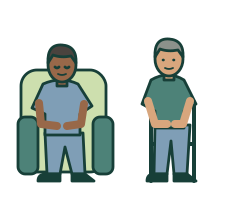
If unconscious but breathing normally, use the recovery position.
This means lying safely on their side.
Keep checking their breathing.
Do not give food or drink if they are drowsy.
Do not make them vomit.
Do not give coffee or use a cold bath.
Naloxone for opioid overdose
Naloxone can reverse an opioid overdose.
Opioids include heroin and some strong pain medicines.
It does not treat alcohol poisoning.
Use available naloxone for suspected opioid overdose following kit instructions.
Still call 999 and stay until help arrives.
Do not delay CPR.
Ask your drug service about naloxone and training.
Ask whether your supporters can have training too.

Ask for support that respects you
You can get support to make your own choices.
A learning disability does not automatically stop you deciding.
Help should respect you and your needs.
You can ask your GP or a local treatment service.
You can ask even if you are unsure about stopping.
FRANK can help you find support.
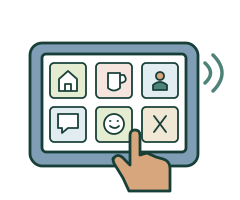
Ask for information you understand and time to talk.
You can use pictures or communication aids.
You can ask someone you trust to come.
Stopping and mixing substances
Stopping alcohol suddenly can be dangerous if you are dependent.
Dependence means your body has become used to alcohol.
Get medical advice before stopping or cutting down quickly.
Severe shaking, confusion or hallucinations after stopping need emergency help.
Hallucinations mean seeing or hearing things that are not there.
Call 999 for these symptoms or a seizure.
Street drugs and fake pills can contain unexpected substances.
You cannot tell they are safe by looking.
Some contain very powerful opioids.
Mixing alcohol, drugs and some medicines can stop your breathing.
Ask your pharmacist about your medicines.
Do not stop prescribed medicines without medical advice.

Make and review your support plan
Agree a support plan with your treatment worker.
Include your health, friends, home and things you enjoy.
Ask what to do if things get difficult.
Ask who will see information about you.
Services must explain when they might need to share information.
Agree which supporters can be involved.
Tell someone if you feel pressured or unsafe.
Get help if someone controls your money or home.
Call 999 for immediate danger.
Families and friends can ask for support too.
Keep reviewing what helps you.
You can ask for different help if needed.
What you can do next
Use FRANK’s service finder for England.
Ask for support that meets your communication and access needs.
For an emergency, call 999.
Find local support Web pageThis link opens another website.
It may use harder words.
More useful links
- FRANK: local drug and alcohol support Web page
Search by town or postcode for services in England.
- NHS: find alcohol addiction support Web page
Find a local alcohol service.
- FRANK: speak, text or email for advice Web page
Check contact options and charges; use 999 for emergencies.
- FRANK: emergency help Web page
Read with supporters before an emergency occurs.
- NHS: alcohol treatment and support for families Web page
Treatment information and links to family support groups.
These links open other websites.
They may use harder words.
Help with drugs, alcohol and staying safer
Find accessible support, recognise an emergency and plan help that respects your choices.
Adults with learning disabilities, families and supporters · England
Recognise an emergency and call 999
Call 999 for suspected overdose or alcohol poisoning. Warning signs include being unable to wake the person, slow or irregular breathing, blue or grey lips, a seizure, collapse or severe confusion. Do not assume the person is sleeping it off. Tell the call handler your location, symptoms and what may have been taken, including medicines or alcohol; say if you do not know. Do not wait to identify a substance or complete this guide before getting help.
Stay with the person while help comes
If it is safe, stay with them and follow the 999 call handler’s instructions. If they are unresponsive and not breathing normally, start CPR with the call handler’s help; occasional gasps are not normal breathing. If unconscious but breathing normally, use the recovery position on their side and keep checking breathing. Do not make them vomit, give coffee or put them in a cold bath. Do not give food or drink to someone drowsy or unconscious. Keep packaging for clinicians if safe, without delaying care.
Ask about naloxone for opioid overdose
Opioids include heroin, some strong pain medicines and synthetic drugs such as nitazenes. Naloxone is an emergency medicine that can reverse an opioid overdose. It does not treat alcohol poisoning or every other kind of overdose. If available and an opioid overdose is suspected, use it following the product instructions and 999 advice. Do not delay CPR or calling an ambulance. Its effects can wear off, so stay until help arrives even if the person improves. Ask a local drug service about take-home naloxone and accessible training for you and willing supporters. Some authorised professionals can also supply it; availability varies locally.
Get support without blame or blanket assumptions
People use substances for different reasons, including pleasure, pressure, pain, loneliness or coping with difficult feelings. You can seek advice before things reach a crisis, even if you are unsure about stopping. Having a learning disability does not automatically mean an adult cannot decide about alcohol or treatment. Support should address the person’s actual needs and risks, with help to understand choices. A diagnosis alone is not a reason to ban ordinary lawful activities. Punishment, humiliation or forcing treatment is not a support plan; seek appropriate clinical and legal advice when safety or capacity is in question.
Find an England service you can contact
A GP can discuss concerns and help arrange treatment. You can also contact a local drug treatment service yourself. FRANK’s service finder lists free drug and alcohol support in your local authority area in England; the NHS also has an alcohol-service finder. Ask about self-referral, age criteria, appointments and urgent advice while waiting. FRANK offers confidential drug advice on 0300 123 6600, 24 hours a day, or by text to 82111. Calls and texts may cost your normal network rate and appear on bills. These are advice routes, not emergency services.
Make assessment and treatment accessible
Ask for Easy Read information, shorter or longer sessions, a quiet space, reminders, pictures, communication aids or a chosen supporter. Explain what helps before the first appointment. Staff should discuss substance use, physical and mental health, medicines, housing, relationships and your goals. Treatment can include talking support, prescribed medicines, help with withdrawal, peer support and practical support. Ask for a named worker and a plan you understand. Drug, alcohol and learning disability services should coordinate appropriate help; difficulty with a form or missed appointment should prompt discussion of access barriers.
Get medical help before stopping when dependent
Dependence means your body has adapted to a substance. Needing alcohol to feel normal, or shaking, sweating, feeling sick or anxious when reducing it, can indicate withdrawal. Sudden stopping or a large reduction can cause dangerous withdrawal in someone dependent on alcohol. Contact a GP or alcohol service promptly before trying to stop; use NHS 111 if you need urgent advice and cannot reach them. Severe shaking, hallucinations, confusion or seizures after reducing alcohol need emergency help: call 999. Regular benzodiazepine use can also cause dependence and dangerous withdrawal; get medical advice before stopping. Do not use a homemade detox schedule.
Street drugs and counterfeit pills have uncertain contents
A familiar name, colour, packet or trusted seller cannot establish what an illegal drug contains or its strength. Fake tablets sold as medicines and other street drugs have contained powerful synthetic opioids, including nitazenes. A substance can cause an opioid overdose even when the person did not expect an opioid. Appearance, taste or previous use cannot make a new supply safe. Explain this risk in a way the person understands and ask a drug service for an individual harm-reduction and overdose plan.
Check mixing, prescriptions and epilepsy risks
Benzodiazepines are medicines sometimes used for anxiety, sleep or seizures. Alcohol, opioids and benzodiazepines can dangerously slow breathing, especially when combined. Some other prescribed medicines, including pregabalin or gabapentin, can add to this risk. Tell your pharmacist or prescriber about all medicines and substances so they can check the particular combination. Do not take someone else’s prescribed medicine or skip prescribed treatment to make substance use possible. Too much alcohol can increase seizure risk in epilepsy; withdrawal can cause seizures too. Do not change epilepsy treatment without your clinician. If pregnant, planning pregnancy or managing another health condition, ask for advice specific to you.
Agree practical steps and a plan for setbacks
Start with the change you want, such as fewer harmful situations, better sleep or attending support. With a clinician or keyworker, plan manageable steps and what to do if cravings or withdrawal occur. Arrange safe transport and avoid driving or operating dangerous equipment when affected. Identify who can recognise an emergency and how to get help; being alone during an overdose leaves nobody to respond. Include enjoyable activities, enough support and help with housing or money where relevant. If substance use returns after a break, seek advice promptly. Returning to opioids after a break increases overdose risk because the body has lost some tolerance.
Understand privacy and tell someone about pressure
Ask what the service records, who can see it and when information could be shared. Agree whether family or supporters are involved and what they may be told. Services should explain confidentiality limits, including lawful sharing to protect someone from serious harm or meet safeguarding duties; do not rely on a promise that nothing will ever be shared. Tell a trusted professional if someone pressures you to use, controls your money, supplies drugs in exchange for sex or takes over your home. Use the safeguarding, domestic-abuse and cuckooing guides. Call 999 for immediate danger.
Support families and keep reviewing the plan
Families and friends can ask the service about support for themselves, including local groups, information and naloxone training where relevant. Their role is to listen, explain concerns calmly and support agreed steps, not to provide a medically supervised withdrawal programme themselves. Agree practical boundaries and an emergency plan without threats or shaming. A carer’s assessment may help where an adult has unpaid caring responsibilities and possible support needs. Review the plan with the person, including communication, mental health, safety, relationships and what help is actually working.
Words you could use
“I would like help with alcohol or drugs. Please explain the options in a way I understand, check withdrawal and medicine risks, and agree a safe support plan with me.”
More useful links
- FRANK: local drug and alcohol support Web page
Search by town or postcode for services in England.
- NHS: find alcohol addiction support Web page
Find a local alcohol service.
- FRANK: speak, text or email for advice Web page
Check contact options and charges; use 999 for emergencies.
- FRANK: emergency help Web page
Read with supporters before an emergency occurs.
- NHS: alcohol treatment and support for families Web page
Treatment information and links to family support groups.
These links open other websites.
They may use harder words.
Where the information comes from
Links checked 1 November 2026.
These links open other websites.
They may use harder words.
- NHS: alcohol poisoning Web page
Emergency signs, calling 999 and safe first aid.
- NHS: poisoning Web page
Urgent assessment and precautions while help arrives.
- St John Ambulance: CPR Web page
Normal breathing, gasps and following ambulance call-handler instructions; NHS first-aid pages link here.
- FRANK: what to do in an emergency Web page
Overdose response, naloxone, staying with someone and telling clinicians what was taken.
- DHSC: supplying take-home naloxone Web page
Emergency use, authorised supply routes and training.
- NHS: drug addiction and getting help Web page
Direct access to local treatment, assessment and available support.
- FRANK: find support in England Web page
Free local drug and alcohol support finder.
- FRANK: contact options Web page
Verified phone, text, hours and possible network charges.
- NHS: alcohol-use disorder Web page
Dependence, withdrawal, treatment and emergency complications.
- DHSC alcohol treatment guidance: reducing harm Web page
Medical assessment before abrupt stopping or major reduction when alcohol dependent.
- FRANK: dangerous substances in drugs Web page
Uncertain contents and synthetic opioids in street drugs and counterfeit medicines.
- FRANK: benzodiazepines Web page
Mixing, breathing risks and withdrawal.
- NHS: epilepsy Web page
Alcohol and seizure risk; do not miss or change prescribed treatment without advice.
- DHSC alcohol treatment guidance: inclusive services Web page
Learning disability adjustments, communication and coordinated support.
- DHSC alcohol treatment guidance: principles of care Web page
Shared decisions, confidentiality limits and family support.
- DHSC alcohol treatment guidance: assessment and planning Web page
Individual goals, wider needs and reviewing support.
- NHS: Mental Capacity Act Web pageFuller information
Support for individual decisions and safeguards; diagnosis alone does not determine capacity.
- NHS: heroin treatment and overdose risk Web page
After detox, lowered opioid tolerance increases overdose risk.
- NICE NG215: medicines and withdrawal Web page
Clinician-supported withdrawal and the risks of abrupt medicine changes.
A page for you to fill in
You can type your answers and download a copy.
You can also print a page to write or draw on.
Someone you trust can help you.